
 Pin It
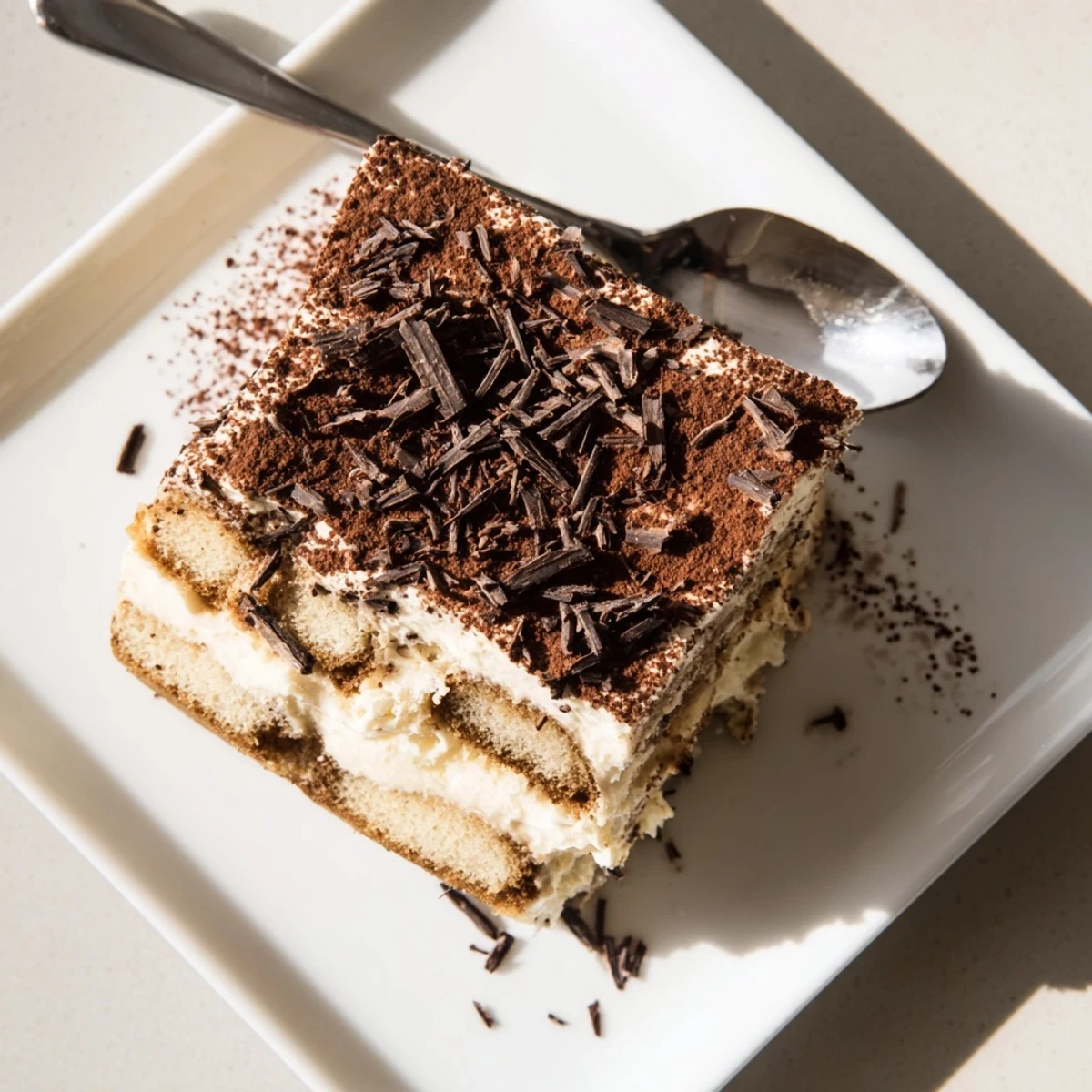
 Create this iconic Italian no-bake dessert featuring delicate ladyfingers briefly dipped in strong espresso, layered with a rich mascarpone cream enhanced with vanilla and whipped cream. The assembly requires just 25 minutes of active preparation before chilling for at least four hours to develop those signature velvety textures. For best results, use savoiardi biscuits and quality mascarpone, then finish with generous cocoa powder dusting before serving.
The first time I attempted tiramisu, I had no idea what I was doing. I was twenty-two, cooking for a new boyfriend's Italian family, and panic-set in halfway through. The ladyfingers turned into soggy mush, and the cream separated into something that looked like curdled milk. His grandmother took one bite and smiled, patting my hand like it was the most charming mistake she'd ever witnessed. I've spent fifteen years redeeming myself since then.
My sister-in-law requested this for her wedding instead of a traditional cake. We made eight trays the night before, working in shifts, with Italian opera playing way too loudly. The kitchen smelled like espresso and vanilla, and by midnight we were dusting cocoa powder with slightly shaky hands, tired but deliriously happy. They served it at midnight, and I still think about that moment every time I make it.
Ingredients
- Mascarpone cheese: Room temperature is non-negotiable here. Cold mascarpone will seize up and leave you with tiny lumps that no amount of folding can fix.
- Egg yolks: Use pasteurized eggs if you're nervous about raw yolks. The gentle heat from the double boiler gives them a little cook without scrambling.
- Granulated sugar: Don't reduce this. The sugar not only sweetens but stabilizes the egg yolks, giving the cream its signature pillowy texture.
- Pure vanilla extract: The real stuff matters here. It blooms against the coffee in a way imitation vanilla never will.
- Heavy cream: Cold from the fridge is essential. Room temperature cream will never whip to those gorgeous stiff peaks you need.
- Strong espresso: Brew it slightly stronger than you'd drink. The ladyfingers will dilute it as they soak, so start bold.
- Coffee liqueur: Optional, but it adds that grown-up depth. Kahlúa works beautifully, though Marsala is more traditional.
- Ladyfingers: Savoiardi are the hard Italian kind you need. The soft cake-like ladyfingers will disintegrate into a sad puddle.
- Unsweetened cocoa powder: Use a fine sifter. Clumpy cocoa powder ruins the entire elegant finish.
Instructions
- Warm the egg yolks:
- Set up a double boiler with simmering water and whisk together yolks and sugar until pale and thick. Watch carefully like eggs will scramble faster than you think. About three minutes does the trick.
- Build the cream base:
- Fold in mascarpone and vanilla until smooth. Take your time here. Rushing creates a grainy texture that no amount of chilling can fix.
- Whip the heavy cream:
- In a separate bowl, beat cold cream until stiff peaks form. This is where the magic happens. Fold it gently into the mascarpone mixture.
- Prepare the coffee bath:
- Mix espresso and liqueur in a shallow dish. You want something wide enough to dip ladyfingers without contorting them at weird angles.
- Dip the first layer:
- Quick dip, one second per side maximum. The ladyfingers should still have some crunch in the center. Arrange them in your dish.
- Add half the cream:
- Spread half your mascarpone mixture over the ladyfingers. Don't press down just let it settle naturally into the gaps.
- Repeat and chill:
- Second layer of dipped ladyfingers, then remaining cream. Smooth the top like you mean it. Refrigerate at least four hours but overnight transforms everything.
- Finish with cocoa:
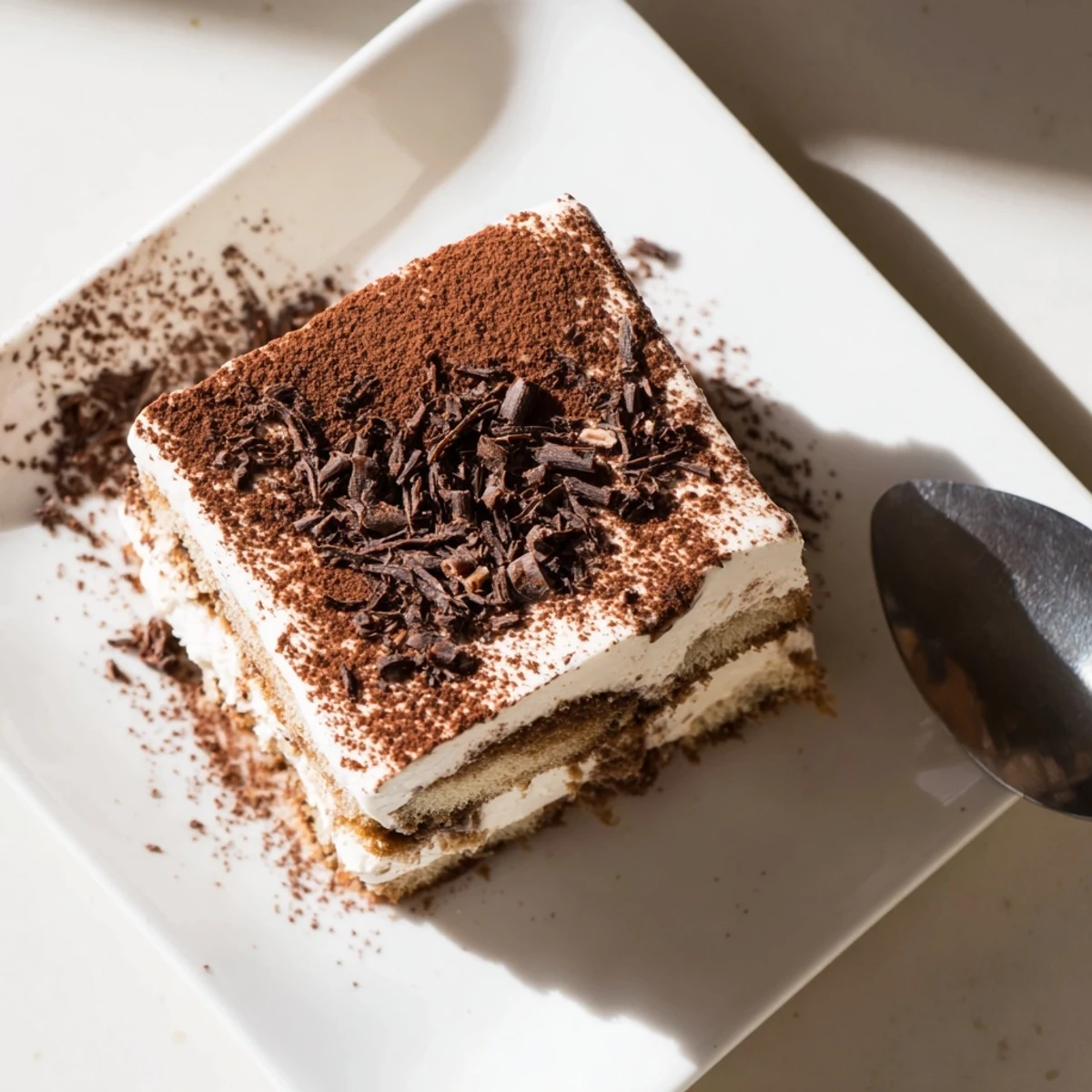
- Dust generously right before serving. The cocoa needs to be fresh, not sitting there getting sad and damp for hours.
 Pin It
 Last summer, my daughter made this for her boyfriend's birthday. She called me three times during the process, convinced she'd ruined the cream or soaked the ladyfingers too long. When she texted a picture of the final dish, perfectly dusted and gleaming, I cried a little. Some recipes are more than food.
Making It Your Own
I've made countless variations over the years, but there's something about the classic that can't be improved upon. That said, a little zest from an orange or lemon mixed into the cream adds something special. Fresh berries on top are also never a mistake, especially in summer when you need something bright against all that rich cream.
Serving Suggestions
Tiramisu needs to be cold but not refrigerator-cold. Take it out about fifteen minutes before serving. The cream softens into something impossibly silky, and the flavors wake up a bit. Small portions are deceiving this stuff is richer than it looks.
Storage and Make-Ahead Wisdom
The beautiful truth about tiramisu is that it actually improves overnight. The coffee soaks deeper into the ladyfingers, and the flavors develop a complexity that fresh assembly can't match. Cover it tightly because it will absorb every other smell in your fridge.
- It keeps for three to four days in the refrigerator
- Freezing is not recommended. The texture never quite recovers.
- Cocoa powder should be added right before serving
 Pin It
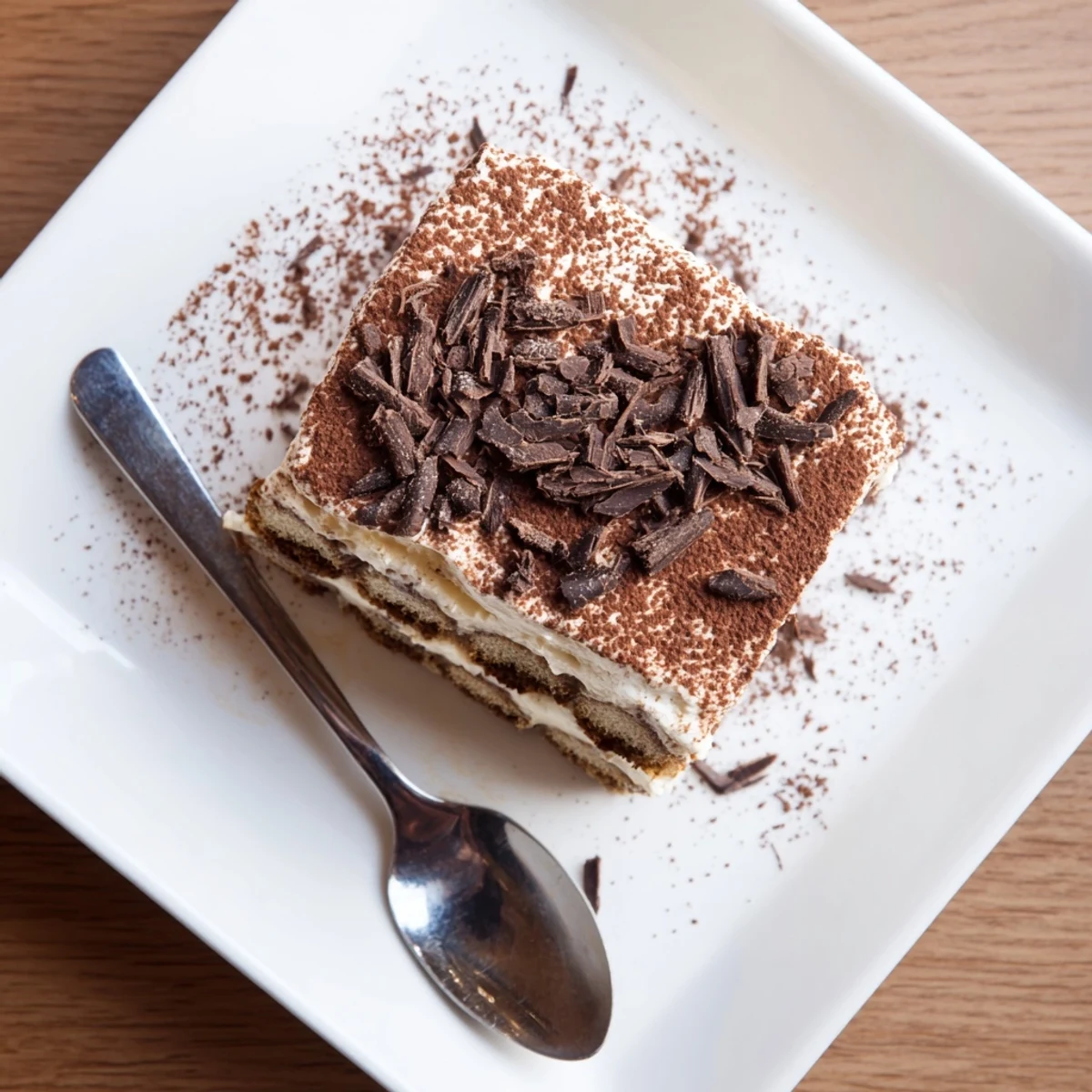
 There's something deeply satisfying about a recipe that transforms such simple ingredients into something this extraordinary. Good tiramisu feels like a hug from someone who loves you.
Recipe Q&A
- → How long should ladyfingers be soaked in coffee?
-
Dip ladyfingers for just 1-2 seconds per side. They should absorb some espresso but remain firm—over-soaking leads to a soggy final texture.
- → Can tiramisu be made without alcohol?
-
Absolutely. Simply omit the coffee liqueur from the espresso mixture. The strong coffee alone provides plenty of depth and traditional flavor.
- → How long does tiramisu need to chill?
-
Minimum four hours, though overnight chilling (8-12 hours) yields the best results. This allows flavors to meld and the cream to set properly for clean slicing.
- → Can I use pasteurized eggs for safety?
-
Yes, pasteurized egg yolks are recommended since the yolks are gently cooked but not fully pasteurized during the bain-marie step. This ensures food safety while maintaining traditional texture.
- → How should tiramisu be stored?
-
Keep covered in the refrigerator for up to 3 days. The cocoa powder is best added just before serving, as it may absorb moisture over time. Freezing is not recommended.