
 Pin It
 Whisk eggs with salt and pepper, then fold in cottage cheese and half the chives. Melt butter in a nonstick skillet over medium-low, pour in mixture, and stir gently until curds form but remain creamy—about 2–3 minutes. Remove from heat while still soft to finish cooking with residual heat. Garnish with remaining chives; serve with toast or smoked salmon for variation.
My roommate in college used to make scrambled eggs with cottage cheese every single morning, and honestly, I thought it sounded strange until I finally tried it one groggy Saturday. The curds melt into pockets of creamy tang hidden inside soft, pillowy folds of egg, and it changes everything you think you know about breakfast. Ten minutes later I was hooked, scraping the plate clean and wondering where this had been my whole life.
I started making these for my sister during her visits, and now she refuses to leave my house without having them at least twice. There is something about the way the chives bloom in golden curds that makes a regular Tuesday morning feel like a proper occasion.
Ingredients
- 4 large eggs: Fresh eggs yield the fluffiest curds and the brightest yellow color, so grab the best you can find.
- 1/2 cup cottage cheese: Full fat gives the creamiest result, but low fat works beautifully if that is what you have on hand.
- 1 tablespoon unsalted butter: Butter coats the pan and adds a gentle richness that olive oil simply cannot match here.
- 2 tablespoons fresh chives, finely chopped: Their mild onion flavor cuts through the richness and brings everything alive.
- 1/4 teaspoon salt: Eggs need salt more than almost any other ingredient to unlock their full flavor.
- 1/8 teaspoon freshly ground black pepper: A whisper of heat at the finish that balances the creamy texture perfectly.
Instructions
- Whisk everything together:
- Crack the eggs into a medium bowl, add the salt and pepper, and whisk until the yolks and whites are fully blended with no streaks remaining.
- Fold in the cottage cheese:
- Gently stir in the cottage cheese along with half the chives, keeping the curds mostly intact for those delicious creamy pockets.
- Melt the butter:
- Set a nonstick skillet over medium low heat, drop in the butter, and wait until it melts and begins to foam slightly without browning.
- Cook low and slow:
- Pour in the egg mixture and use a flexible spatula to gently sweep the sides and bottom, creating large soft folds as the eggs begin to set.
- Know when to pull the pan:
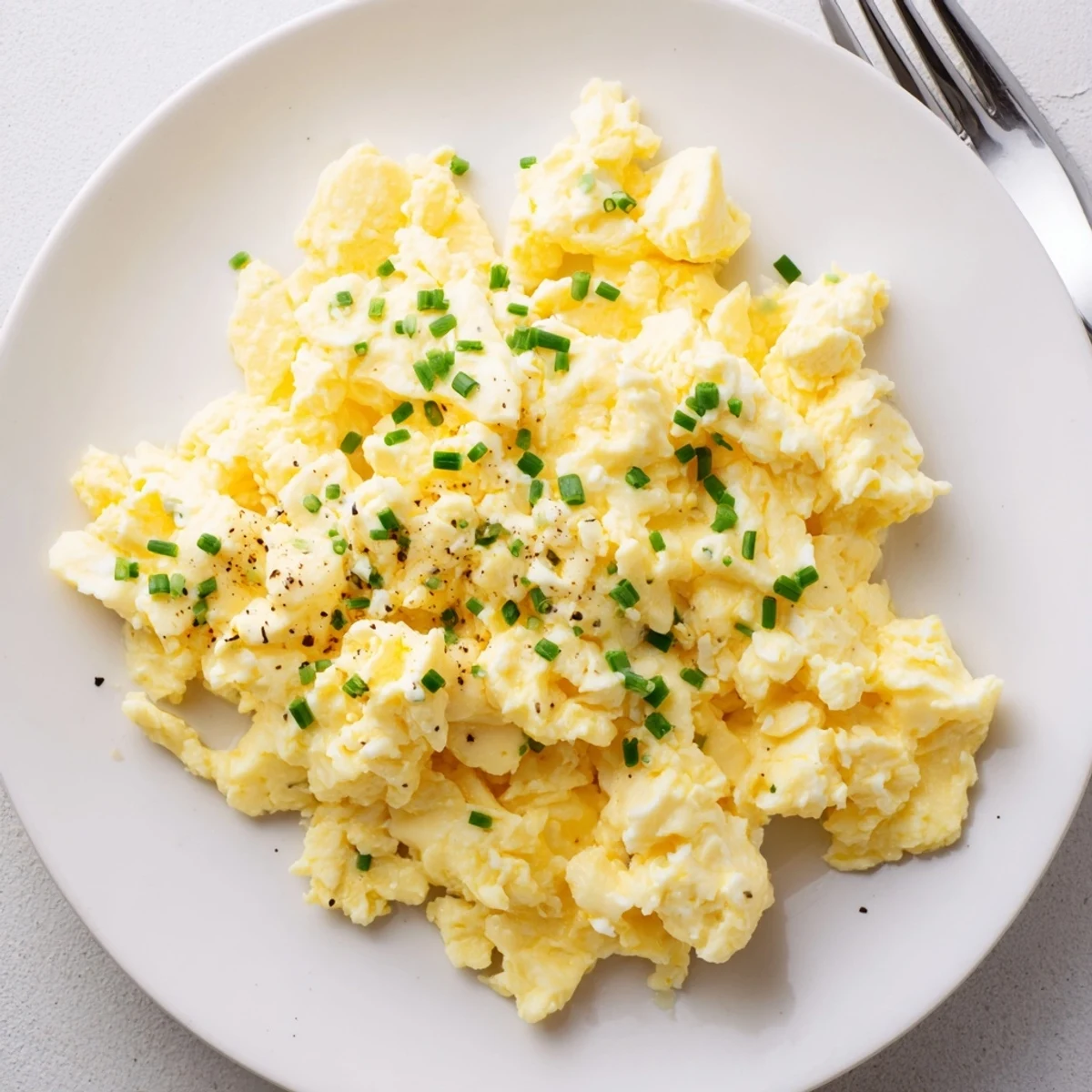
- Remove from heat while the eggs still look slightly wet and glossy, because carryover heat will finish the job in the thirty seconds it takes to plate.
- Finish with chives:
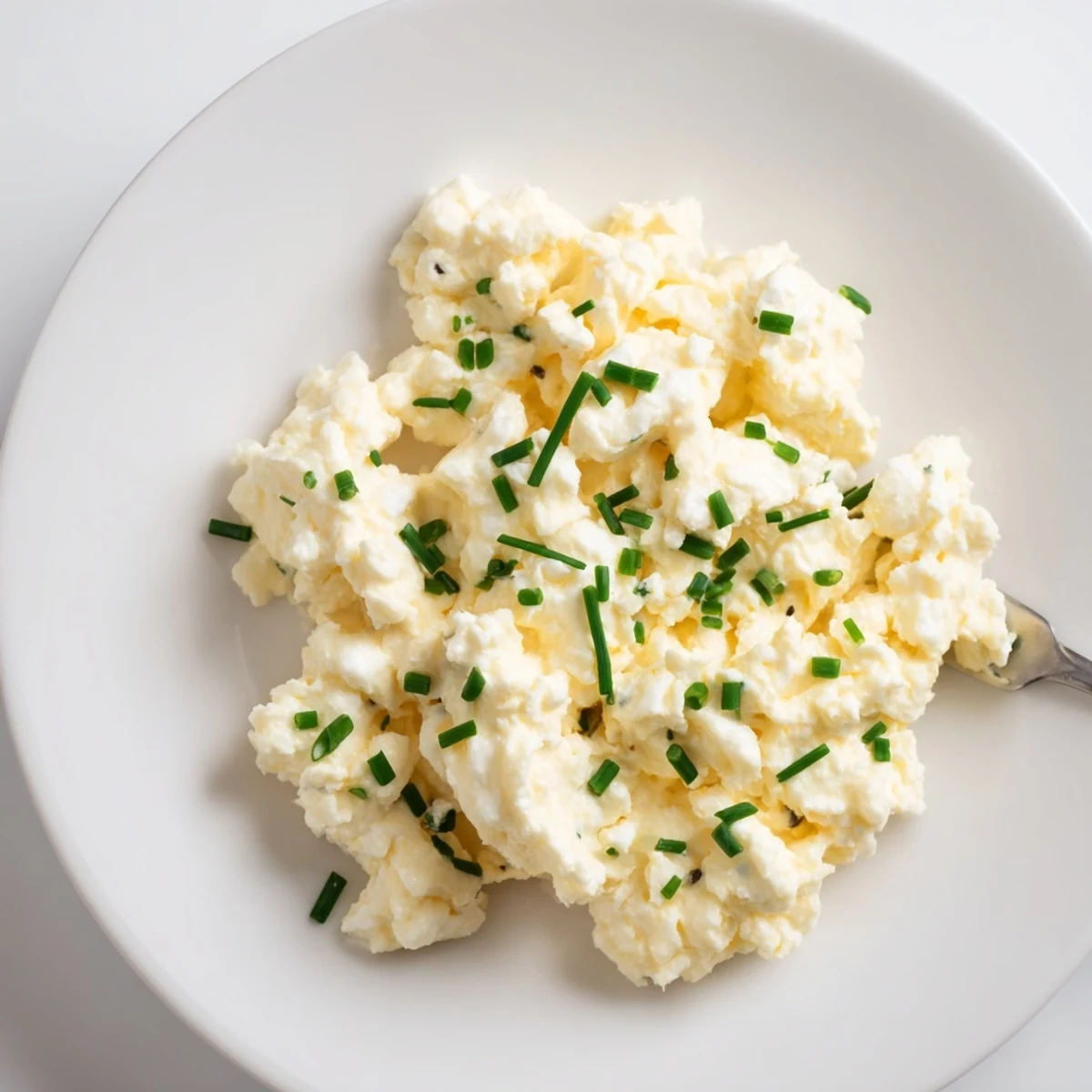
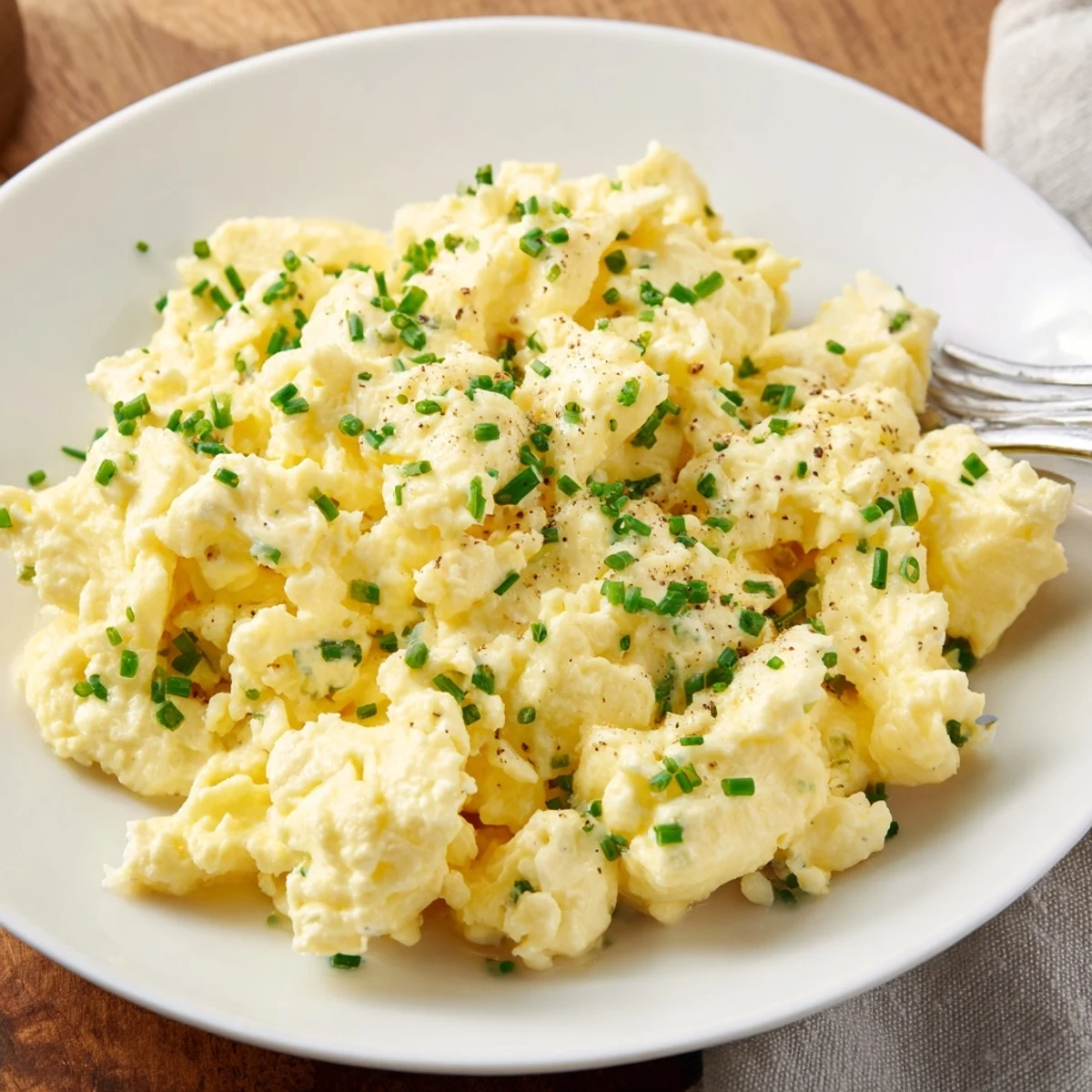
- Scatter the remaining chives over the top and serve immediately while everything is warm and softly trembling on the plate.
 Pin It
 The first time I served these to a friend who claimed to hate cottage cheese, she finished her entire plate before I even sat down. That quiet moment of conversion reminded me why cooking for people matters more than any fancy technique ever could.
Making It Your Own
A handful of baby spinach wilts into the eggs beautifully if you want something green without extra effort. Smoked salmon folded in at the end turns this into something worthy of a holiday brunch with almost no additional work.
What to Serve Alongside
Thick slices of sourdough toasted until golden and spread with a little extra butter are really all you need. A cup of strong coffee and maybe some sliced tomatoes with flaky salt round out the plate without any fuss.
A Few Last Thoughts
Keep your tools simple because this recipe rewards gentleness and patience, not fancy equipment. A good nonstick pan and a flexible spatula are honestly the only things standing between you and the best scrambled eggs of your life.
- Ricotta works as a substitute if cottage cheese is not available, though the texture will be smoother and milder.
- A splash of cream beaten into the eggs pushes the richness into genuinely decadent territory.
- Remember that eggs continue cooking in the seconds between pan and plate, so always err on the side of underdone.
 Pin It
 This little recipe has a way of sneaking into your weekly rotation before you even realize it happened. Keep good eggs in the fridge and everything else takes care of itself.
Recipe Q&A
- → Can I use low-fat cottage cheese?
-
Yes. Low-fat cottage cheese works but yields a slightly less-rich texture. Drain excess whey for firmer curds and consider a splash of cream or an extra pat of butter to boost silkiness.
- → How do I keep the eggs creamy and avoid overcooking?
-
Cook over medium-low heat and stir gently, removing the pan while eggs are still slightly underdone. Residual heat will finish cooking and preserve a soft, custardy texture.
- → Can I substitute ricotta for cottage cheese?
-
Yes—ricotta gives a milder, smoother finish. It integrates more uniformly, so expect a slightly less curdled texture and adjust seasoning to taste.
- → Which pan and fat are best for these eggs?
-
A nonstick skillet and unsalted butter are ideal: butter adds flavor and helps create tender curds while the nonstick surface prevents sticking and allows gentle stirring.
- → How can I make the eggs fluffier?
-
Whisk the eggs until foamy to incorporate air, add a splash of cream or an extra yolk, and cook slowly. Gentle folding preserves air and yields lighter curds.
- → What are good serving suggestions or add-ins?
-
Top with extra chives and serve with toasted sourdough or rye. Add-ins like baby spinach, smoked salmon, or a sprinkle of lemon zest complement the cottage cheese and elevate flavors.