
 Pin It
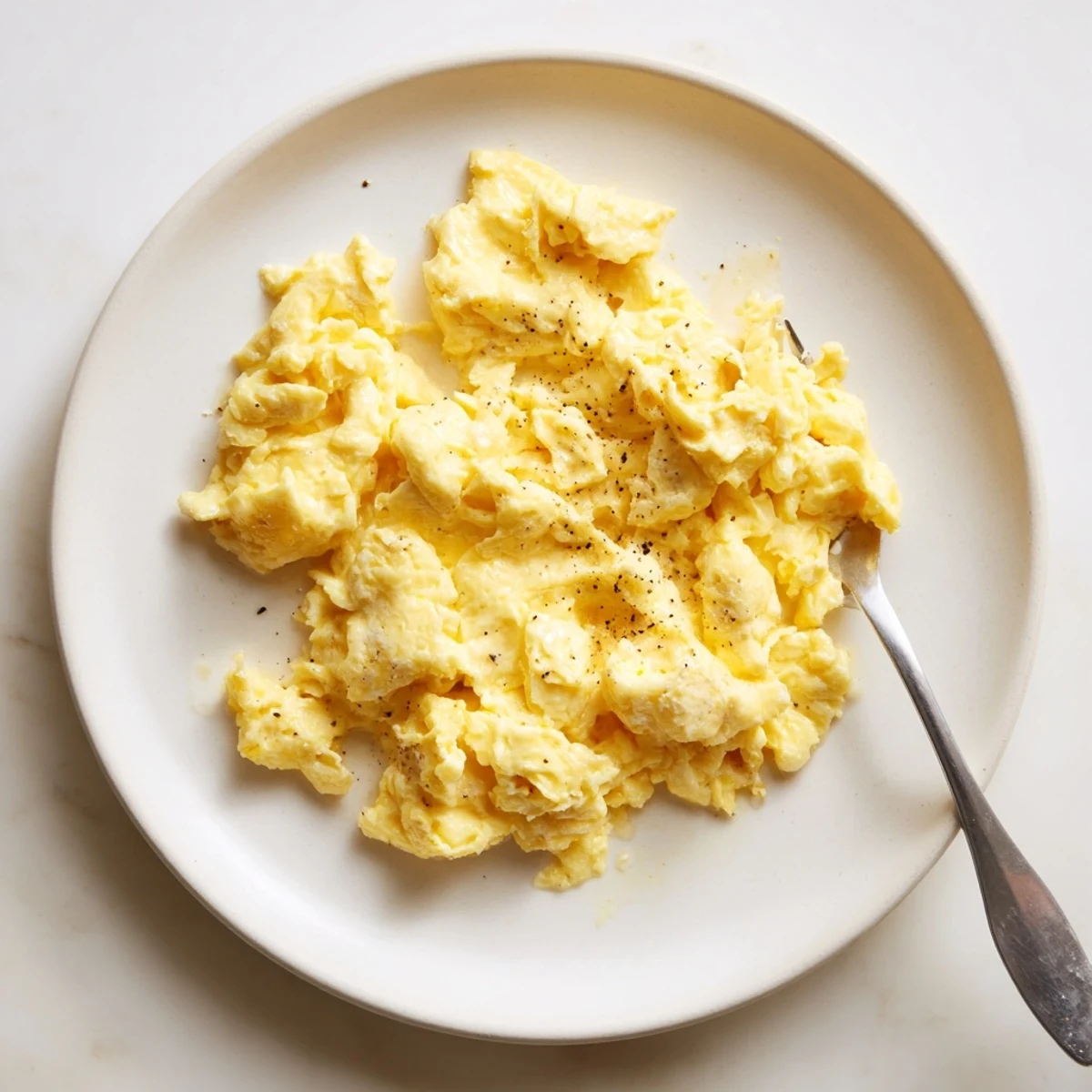
 Transform ordinary eggs into a luxurious breakfast experience with this foolproof method for achieving perfectly creamy, fluffy curds every time. The secret lies in gentle heat control and patience—cooking over medium-low heat while constantly pushing the eggs toward the center creates those signature soft curds.
This versatile base welcomes endless customizations, from fresh herbs and grated cheese to sautéed vegetables, making it adaptable to any taste preference or dietary need. Ready in just 10 minutes total, these scrambled eggs deliver restaurant-quality results with minimal effort.
The key is removing the pan while the eggs still appear slightly undercooked—residual heat completes the process, ensuring your breakfast remains perfectly moist and never rubbery.
Standing in my grandmother's tiny kitchen at age seven, I watched her transform plain eggs into the fluffiest clouds I'd ever tasted. She taught me that scrambled eggs aren't just breakfast—they're a morning meditation. The secret she whispered while I stood on my step stool has stayed with me through decades of Sunday mornings.
Last winter, during a particularly rough week, my partner stumbled into the kitchen looking exhausted. I made these scrambled eggs with extra cream and fresh chives from our windowsill garden. We ate standing up at the counter, and somehow those simple eggs turned the whole morning around.
Ingredients
- 4 large eggs: Room temperature eggs whisk more easily and incorporate air better for that fluffy texture
- 2 tbsp whole milk or cream: This creates the silky richness that separates home eggs from diner eggs
- 1 tbsp unsalted butter: Unsalted lets you control the seasoning completely
- 1/4 tsp salt and 1/8 tsp freshly ground black pepper: Season before cooking to layer flavor throughout every curd
Instructions
- Whisk your base:
- Crack eggs into a bowl and pour in your milk or cream along with salt and pepper. Whisk vigorously until the mixture turns slightly frothy and uniform in color.
- Melt the butter:
- Heat butter in a nonstick skillet over medium-low until it melts and starts gently bubbling. Don't let it brown or it will affect the delicate flavor.
- Wait for the edge:
- Pour in your egg mixture and let it sit undisturbed for just a few seconds until you see the edges beginning to set.
- Create soft curds:
- Using your spatula, gently push the eggs from the edges toward the center, letting the uncooked portion flow underneath. Continue this folding motion until eggs are just set but still glisten with moisture.
- Remove immediately:
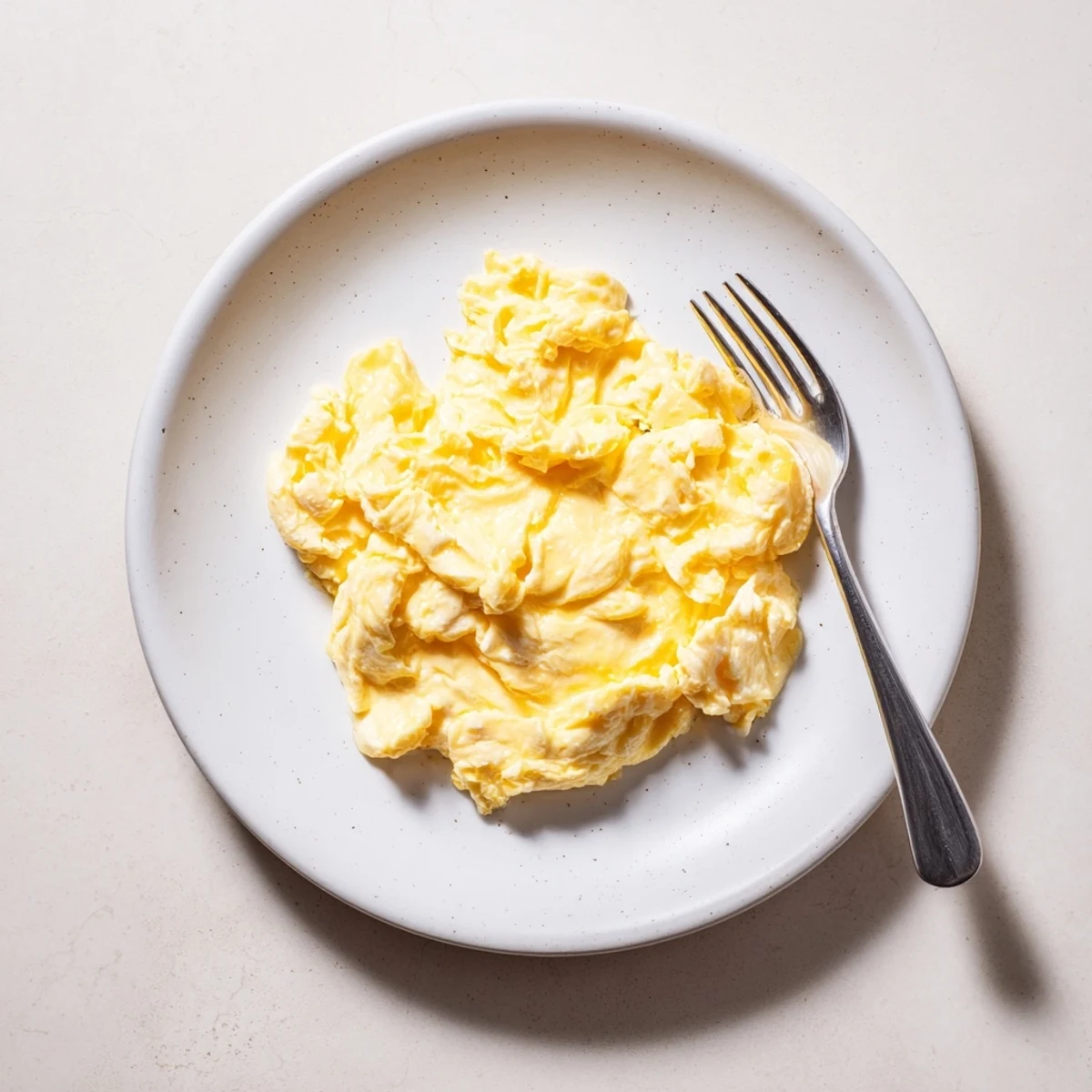
- Take the pan off the heat while the eggs still look slightly underdone. They'll continue cooking from residual heat and reach perfect creaminess.
 Pin It
 My friend Sarah swore she couldn't cook until I showed her this technique over a Sunday brunch. Now she makes these eggs for her family every weekend, and her daughter requests them by name. Sometimes the simplest recipes become the most meaningful.
Getting That Restaurant Texture
The difference between decent scrambled eggs and extraordinary ones comes down to how gently you treat them in the pan. Think of it as coaxing rather than cooking. I learned this after years of producing rubbery disappointment, never understanding why my eggs never matched the creamy ones I'd had in cafes.
Customization Ideas
Once you master the basic technique, these eggs become a canvas for whatever you're craving. I've discovered that adding ingredients at the very end preserves their texture better than cooking them into the eggs. The possibilities are endless, but some combinations have become staples in my kitchen.
- Fresh herbs like chives or tarragon add brightness without overpowering
- A handful of grated sharp cheddar melts beautifully into the warm curds
- Sautéed mushrooms should be folded in at the end for the best texture
Common Mistakes to Avoid
We've all been there—hungry and impatient, crank up the heat, and end up with disappointing eggs. The most common error is treating scrambled eggs like fried food, when they actually need more gentle attention. Understanding a few key principles transforms the outcome completely.
 Pin It
 Perfect scrambled eggs are about more than breakfast—they're about taking a moment to do something simple with care and attention. May your mornings be filled with warm plates and even warmer moments.
Recipe Q&A
- → Why do my scrambled eggs turn out rubbery?
-
Rubbery eggs typically result from cooking over high heat or leaving them on the stove too long. The proteins in eggs tighten quickly when exposed to high temperatures. Always use medium-low heat and remove the pan while the eggs still look slightly moist—they'll continue cooking from residual heat.
- → Should I use milk or cream in my eggs?
-
Both work beautifully, though cream yields richer, more luxurious results. Milk creates lighter, fluffier curds while adding cream provides extra silkiness and depth. Choose based on your preference—whole milk offers a balanced option that's neither too heavy nor too light.
- → Can I make scrambled eggs ahead of time?
-
While best enjoyed immediately, you can gently reheat leftover scrambled eggs over low heat with a small pat of butter. However, they will lose some of their fluffy texture. For meal prep, consider slightly undercooking them so reheating brings them to perfect consistency.
- → What's the best way to season scrambled eggs?
-
Salt and black pepper should be added before cooking to evenly distribute throughout the eggs. For extra flavor, consider incorporating fresh herbs like chives or parsley, grated cheese, or a dash of hot sauce. Avoid adding salt after cooking as it won't incorporate as evenly.
- → Why should I use a nonstick skillet?
-
A nonstick surface allows you to use less butter while still preventing sticking and makes it easier to push the eggs around without them clinging to the pan. This gentle movement is crucial for creating those desirable soft curds rather than a flat, rubbery omelet-like texture.
- → How do I know when the eggs are done?
-
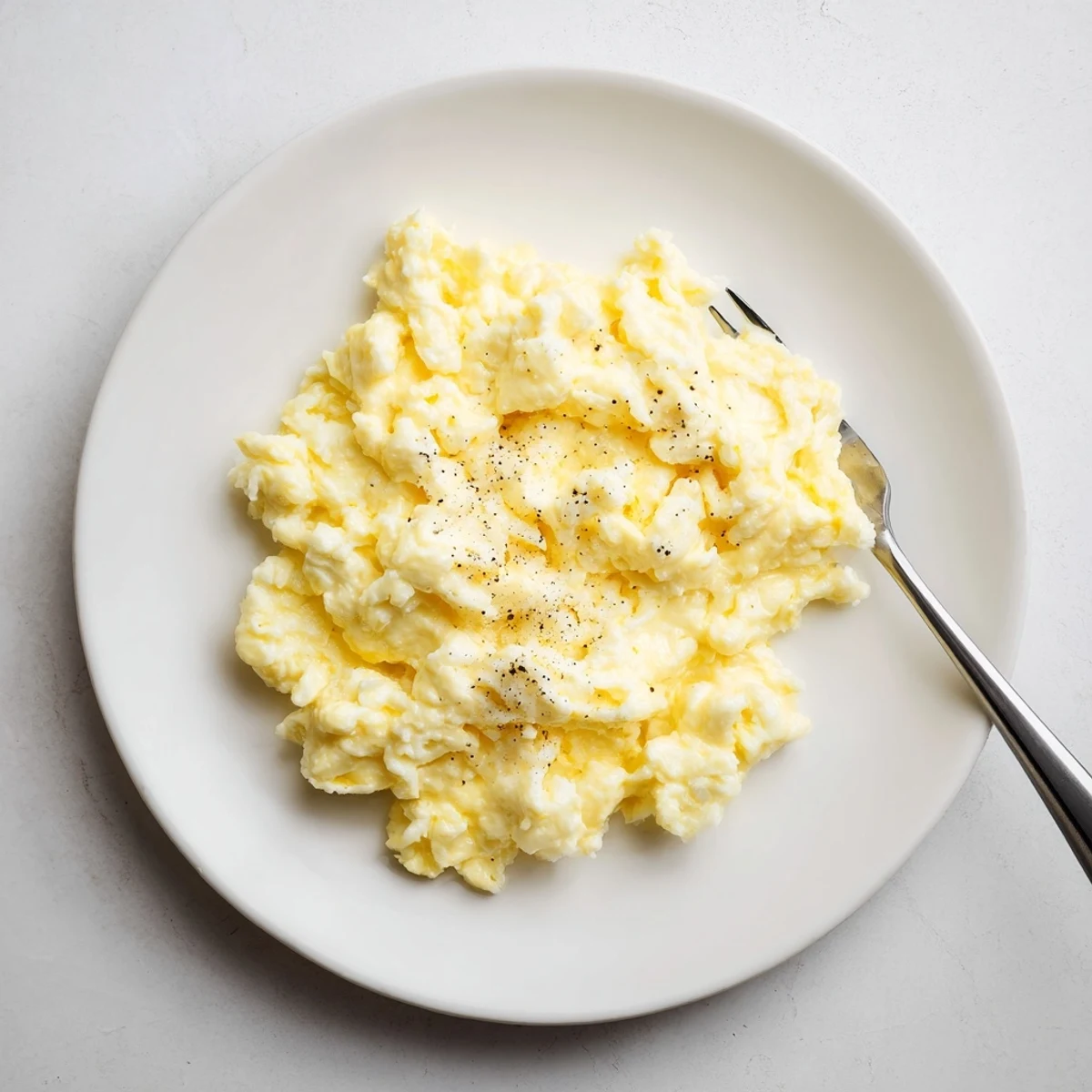
The eggs are ready when they're set but still glossy and slightly moist-looking. They should appear soft and creamy, not dry or matte. Remember, they'll continue cooking briefly after leaving the heat, so err on the side of undercooking for the most luxurious results.