
 Pin It
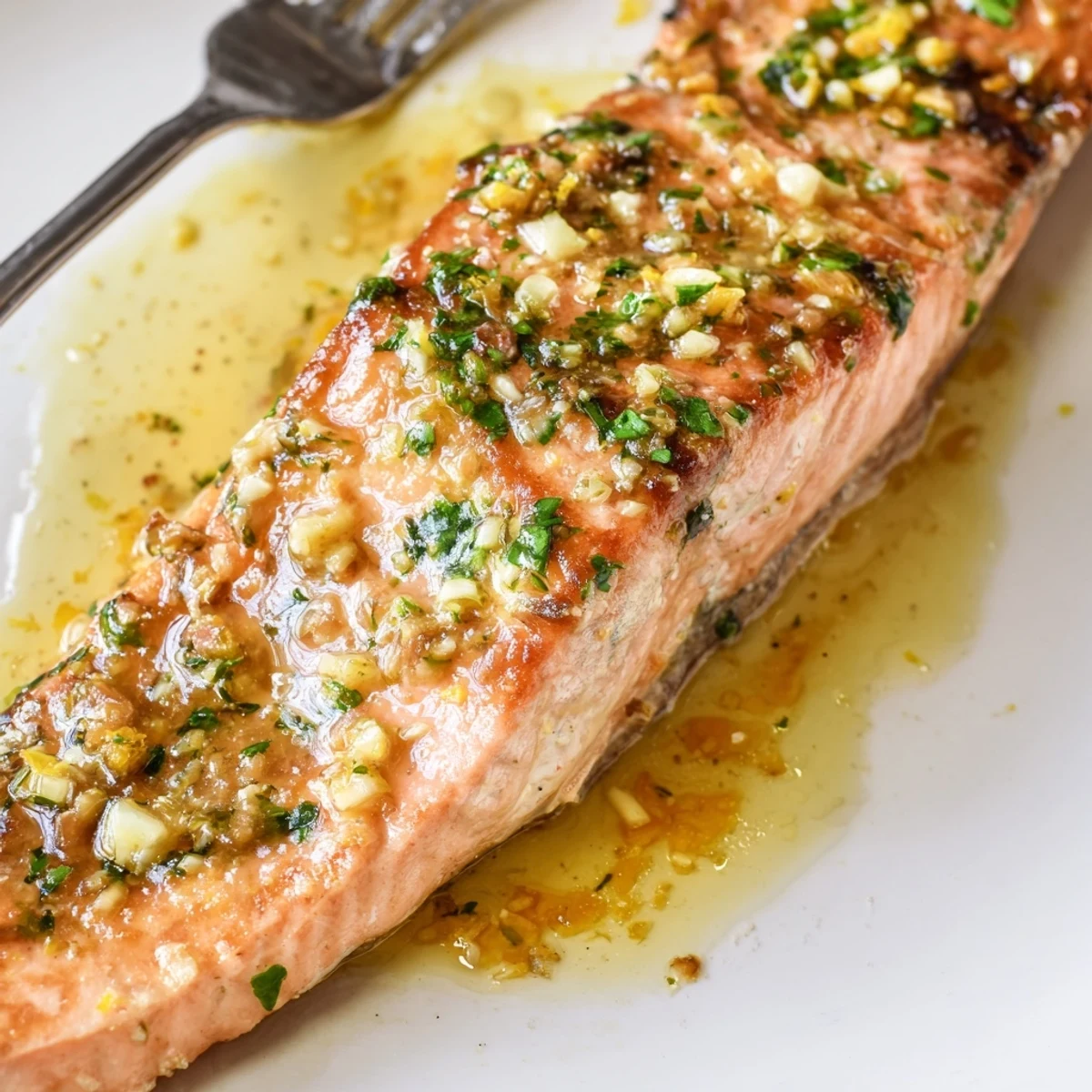
 This garlic butter salmon combines perfectly seared fillets with a rich, aromatic sauce made from melted butter, minced garlic, fresh lemon zest and juice, and chopped parsley.
Ready in just 25 minutes from start to finish, it's an ideal choice for both quick weeknight meals and special occasions alike.
The dish is naturally low in carbohydrates and high in protein, fitting well into pescatarian and low-carb eating plans.
The sizzle of salmon hitting a hot pan is one of those sounds that instantly makes a kitchen feel alive, and paired with garlic bubbling in butter, it is downright irresistible. This dish came together one rainy Tuesday when the fridge offered nothing but fish and a half used lemon, yet it tasted like something from a waterfront restaurant. Four fillets, a generous knob of butter, and a handful of garlic later, dinner was done in under half an hour. It has been on heavy rotation ever since.
I once served this to a friend who claimed she did not eat fish, and she went back for seconds without saying a word. That quiet plate scraping told me everything I needed to know about the power of good garlic butter.
Ingredients
- 4 salmon fillets (about 170 g each), skin on or off: Skin on gives you that satisfying crispy edge, but skin off works beautifully if you prefer a cleaner presentation.
- 4 tbsp unsalted butter: Unsalted lets you control the seasoning, and this is one place you do not want to skimp because the butter carries the entire sauce.
- 4 cloves garlic, minced: Fresh garlic only, and mince it finer than you think you need so it melts into the butter without catching.
- 1 lemon, zested and juiced: The zest brings brightness and the juice adds a gentle acid that cuts through the richness perfectly.
- 2 tbsp fresh parsley, finely chopped: Flat leaf parsley has more flavor than curly, and it should be chopped right before using so the color stays vivid.
- 1 tbsp olive oil: Used for the initial sear because it handles high heat better than butter alone.
- Salt and freshly ground black pepper: Season the fish generously on both sides before it ever touches the pan.
- Lemon wedges and additional parsley for garnish: Entirely optional but they make the plate look finished.
Instructions
- Dry and season the salmon:
- Pat each fillet thoroughly with paper towels because moisture is the enemy of a good sear. Season both sides with salt and pepper, pressing gently so it adheres.
- Sear the fillets:
- Heat olive oil in a large skillet over medium high heat until it shimmers, then lay the salmon skin side down and let it cook undisturbed for 4 to 5 minutes until the skin crisps and the flesh turns opaque about three quarters up the side.
- Flip and finish:
- Flip gently and cook 2 to 3 minutes more until it reaches your preferred doneness, then transfer to a plate and let it rest while you build the sauce.
- Build the garlic butter:
- Lower the heat to medium, add the butter to the same skillet, and let it melt until foamy. Toss in the minced garlic and stir constantly for about a minute until fragrant but never brown.
- Add lemon and herbs:
- Stir in the lemon zest, lemon juice, and half the parsley, letting the sauce bubble for roughly 30 seconds so the flavors marry and the sharp edge of the juice softens.
- Bring it all together:
- Return the salmon to the skillet and spoon the sauce over each fillet repeatedly for about a minute so the fish absorbs every bit of flavor. Plate immediately, drizzle with any remaining sauce, and garnish with lemon wedges and the rest of the parsley.
 Pin It
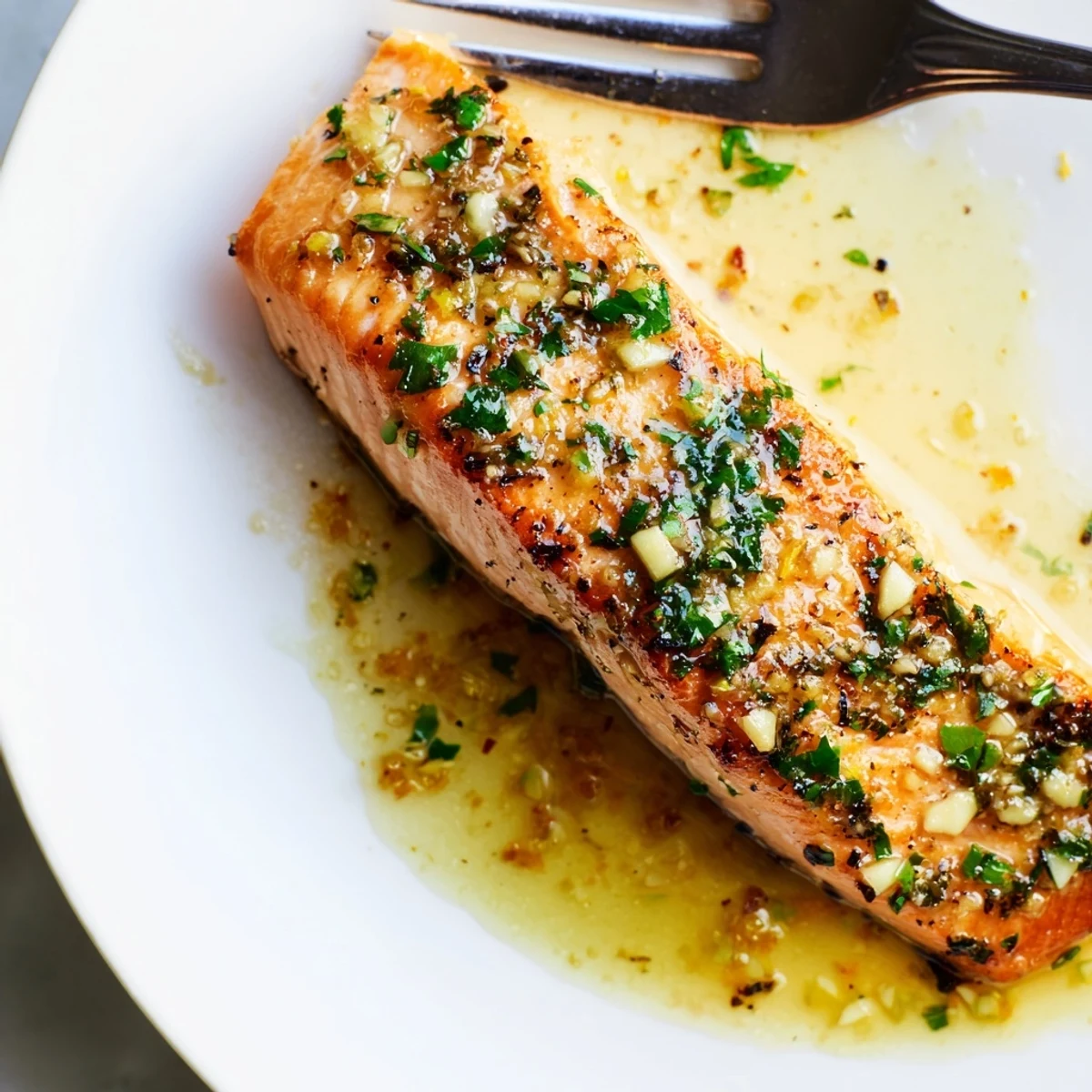
 There is something deeply satisfying about lifting a fillet out of a pan glossed with golden, garlic flecked butter and watching it land on a clean white plate. It turns an ordinary evening into a small celebration without any extra effort.
What to Serve Alongside
Steamed green beans or roasted asparagus are my go-to sides because they soak up leftover sauce beautifully. A pile of fluffy rice or crusty bread also does wonderful duty for catching every last drop of that butter.
Swaps and Variations
Try dill or chives in place of parsley for a different herbal direction that feels a little more Scandinavian. A pinch of red pepper flakes in the butter adds a gentle warmth that plays well against the lemon.
Tools and Allergen Notes
A large skillet, a sturdy spatula, a sharp knife, and a citrus zester are really all you need to pull this off. Keep in mind this recipe contains both fish and dairy, though a good non-dairy butter alternative works in a pinch.
- Always check labels on pre-minced garlic and butter substitutes for hidden allergens or added sugars.
- A well seasoned cast iron skillet gives the best crust but stainless steel works great too.
- Leftover salmon keeps for two days in the fridge and is excellent cold on a salad.
 Pin It
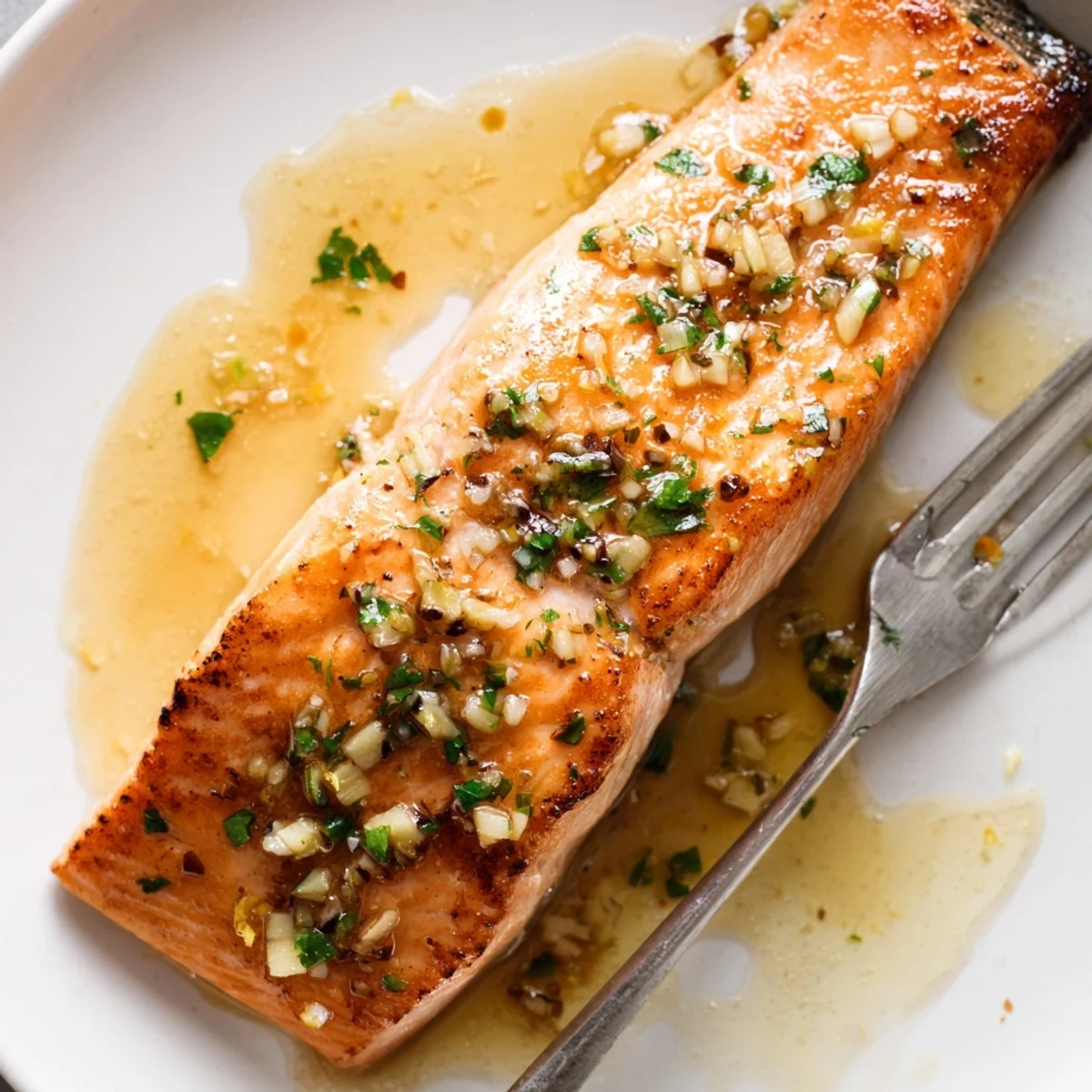
 Once you nail this technique, it becomes one of those recipes you can cook from memory on any night of the week. Keep butter, garlic, and a lemon on hand, and dinner is never far away.
Recipe Q&A
- → Should I cook salmon with the skin on or off?
-
Both work well for this dish. Skin-on fillets crisp up beautifully when seared skin-side down. If you prefer skinless, simply start with the presentation side down instead.
- → How do I know when the salmon is done?
-
Salmon is ready when it flakes easily with a fork and reaches an internal temperature of 145°F (63°C). For a slightly pink, moist center, aim for medium doneness around 125-130°F and let carryover heat finish the job.
- → Can I use frozen salmon fillets?
-
Yes, but thaw them completely in the refrigerator overnight before cooking. Pat the fillets thoroughly dry with paper towels to ensure a proper sear and avoid steaming.
- → What's the best way to prevent the garlic from burning?
-
Lower the heat to medium before adding garlic to the melted butter. Sauté for only about one minute until fragrant. Burnt garlic turns bitter quickly, so keep a close eye on it.
- → What side dishes pair well with garlic butter salmon?
-
Steamed vegetables like asparagus or broccoli, a bed of fluffy rice, roasted potatoes, or a light green salad all complement the rich garlic butter flavors beautifully.
- → Can I substitute the butter for a dairy-free option?
-
Absolutely. Use a quality non-dairy butter alternative or olive oil in place of regular butter. The sauce will be slightly different in richness but still delicious.