
 Pin It
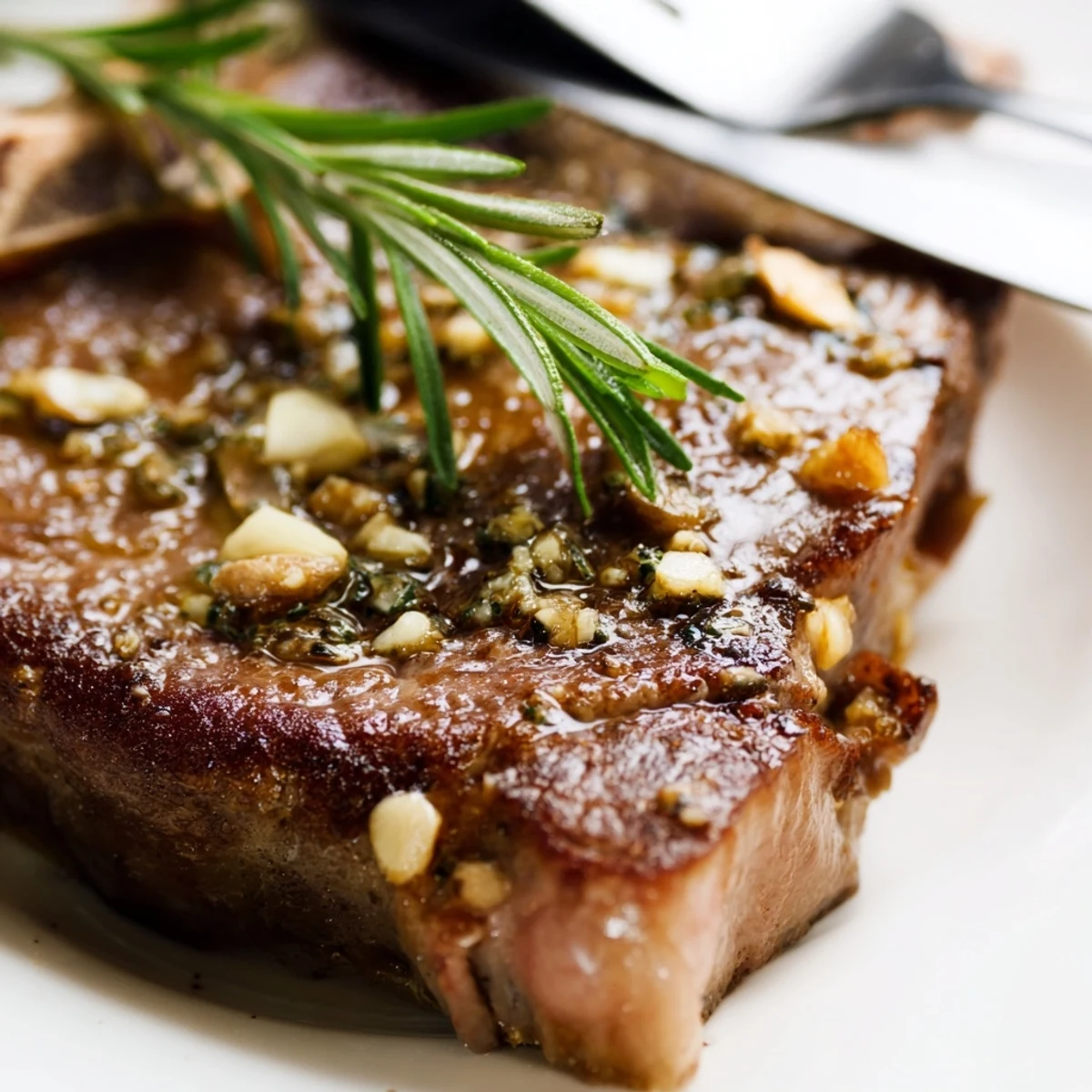
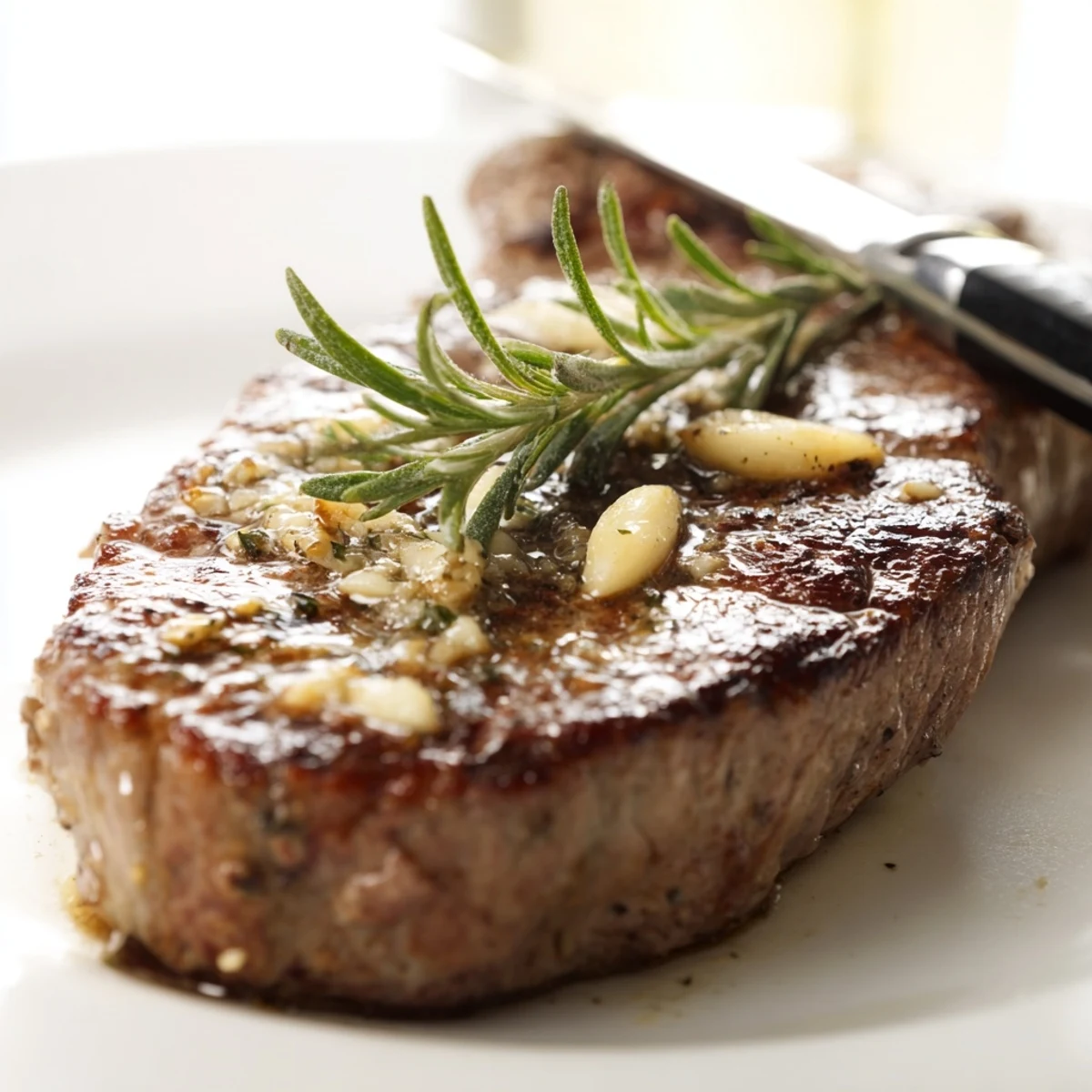
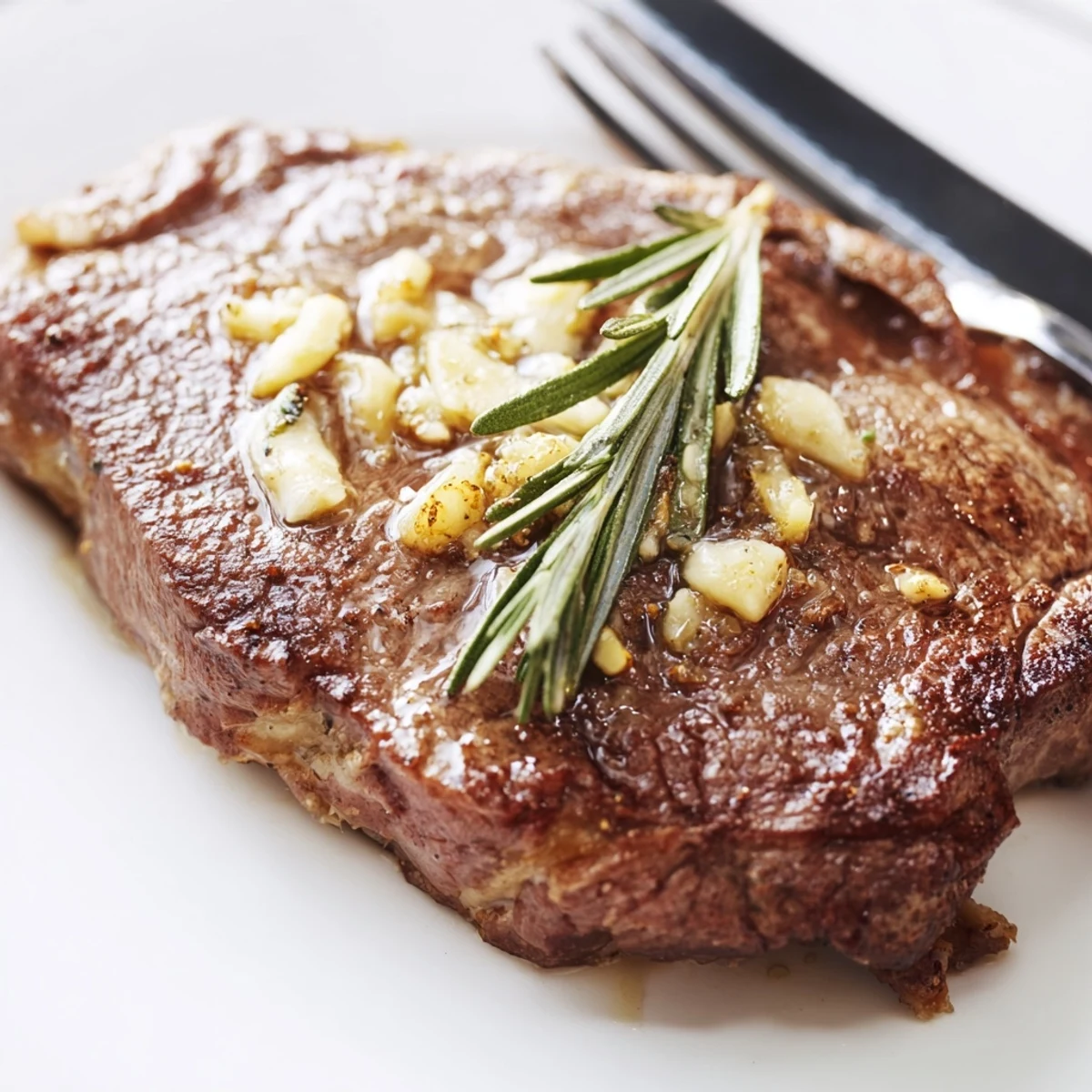
 This restaurant-quality steak features a beautifully caramelized exterior and tender, juicy interior. The ribeye is pan-seared at high heat to develop that signature crust, then basted continuously with melted butter infused with fresh garlic and rosemary. This technique, favored by steakhouse chefs, ensures every bite is infused with rich, savory flavor while keeping the meat perfectly moist.
The sound of butter hitting a screaming hot cast iron pan is something between a declaration and a celebration, and once you hear it you will never go back to quiet weeknight dinners. My neighbor wandered over one Tuesday evening asking if everything was okay because the smoke alarm had joined the chorus. I handed him a forkful of steak across the fence and he stayed for the rest of the bottle of Malbec.
I learned the basting technique from a line cook friend who refused to give me measurements and just kept saying tilt the pan and keep spooning until it feels right. That frustratingly vague advice turned out to be exactly what I needed, because the rhythm of spooning foaming butter over a sizzling steak is something your hands learn faster than your head does. Now I make this every time someone needs convincing that home cooking can be genuinely thrilling.
Ingredients
- 2 ribeye steaks about 1 inch thick 250g each: Ribeye has the intramuscular fat that keeps everything juicy and forgiving even if you slightly overshoot your target temperature.
- 3 tablespoons unsalted butter: Unsalted lets you control the seasoning and the butter serves as both cooking fat and flavor carrier for the garlic and herbs.
- 1 tablespoon olive oil: Use this for the initial sear because it has a higher smoke point than butter and prevents burning before the crust sets.
- 4 garlic cloves finely minced: Fresh garlic only, and mince it small so it melts into the butter rather than sitting in chunks that can turn bitter.
- 2 sprigs fresh rosemary or thyme: These go straight into the foaming butter and perfume the entire pan with something that smells like a holiday table.
- Salt and freshly ground black pepper to taste: Be generous with both, especially the salt, because a well seasoned crust is half the magic.
Instructions
- Let the steaks breathe:
- Pull the steaks from the fridge twenty minutes before cooking and pat them completely dry with paper towels because moisture is the enemy of a good sear.
- Season with conviction:
- Coat both sides generously with salt and pepper, pressing it in with your palms so it adheres rather than falling off in the pan.
- Get the pan ripping hot:
- Heat olive oil in your cast iron skillet over high heat until the surface shimmers and a tiny drop of water would dance and evaporate instantly.
- Build the crust:
- Lay the steaks in carefully and let them sear undisturbed for two to three minutes per side until a deep mahogany brown crust forms and releases naturally from the pan.
- Baste with garlic butter:
- Reduce heat to medium, add the butter, garlic, and rosemary, then tilt the pan and spoon the foaming melted butter continuously over the steaks for two to three minutes until they reach your desired doneness.
- Rest before slicing:
- Transfer the steaks to a warm plate and let them rest for five full minutes so the juices redistribute instead of pooling on your cutting board.
 Pin It
 The first time I got the basting rhythm right the kitchen smelled so overwhelmingly good that my partner walked in from the other room mid sentence and completely forgot what she was talking about. We stood there eating steak off the cutting board with our fingers before it ever made it to a plate, and honestly that might be the best way to eat it.
What to Serve Alongside
Roasted potatoes with rosemary are the obvious pairing and you should absolutely make them in the same pan while the steak rests so they soak up every bit of leftover garlic butter. A crisp green salad with a sharp vinaigrette cuts through the richness in exactly the right way. Steamed or blistered green beans with lemon zest also work beautifully if you want something lighter on the plate.
Wine Pairing Thoughts
Bold red wines are your friend here because the fat and char need something with structure and tannin to stand up to them. Cabernet Sauvignon is the classic call, and a good Malbec brings a fruitiness that plays especially well with the garlic. If red wine is not your thing a rich sparkling water with lemon does a surprisingly decent job of refreshing the palate between bites.
Getting the Sear Right Every Time
The single biggest factor in achieving a restaurant quality crust is making sure your pan is genuinely hot before the steak goes in, not sort of warm but aggressively, smoke-curling-off-the-surface hot. Cast iron holds heat better than anything else in your kitchen and that thermal mass is what gives you an even crust edge to edge. Your smoke alarm might complain but that is just the sound of doing it correctly.
- Never crowd the pan with more than two steaks at once or the temperature drops and you end up steaming instead of searing.
- A splash of lemon juice right at the end of basting adds a brightness that most people will not be able to identify but will absolutely notice.
- Finish with flaky sea salt after resting for a satisfying crunch that makes every bite feel like a finishing touch.
 Pin It
 Some dinners are about feeding yourself and some dinners are about reminding yourself that you are capable of making something extraordinary in your own kitchen on a random weeknight. This steak is the second kind every single time.
Recipe Q&A
- → What cut of steak works best?
-
Ribeye is ideal due to its marbling and fat content, which keeps the meat tender during high-heat cooking. Porterhouse, New York strip, or filet mignon also work beautifully with this method.
- → Why should steaks rest before cooking?
-
Bringing steaks to room temperature ensures even cooking throughout. Cold meat can cause uneven searing and lead to overcooked exteriors before the center reaches the desired temperature.
- → What does basting accomplish?
-
Continuous basting with flavored butter infuses the meat with garlic and herb aromatics while helping achieve that gorgeous restaurant-quality crust. The foaming butter also aids in caramelization.
- → How do I know when the steak is done?
-
The most accurate method is using a meat thermometer. Medium-rare reaches 130°F internally, medium registers 140°F. You can also test by touch—rare feels soft like your cheek, medium-rare like the fleshy part of your palm.
- → Can I use dried herbs instead of fresh?
-
Fresh rosemary or thyme provides superior flavor infusion, but dried herbs work in a pinch. Use about one-third the amount since dried herbs are more concentrated. Add them early so they rehydrate in the butter.
- → What should I serve alongside?
-
Roasted potatoes, creamy mashed potatoes, or a crisp green salad complement the rich flavors beautifully. Steamed asparagus or sautéed mushrooms also make excellent sides that won't compete with the steak.