
 Pin It
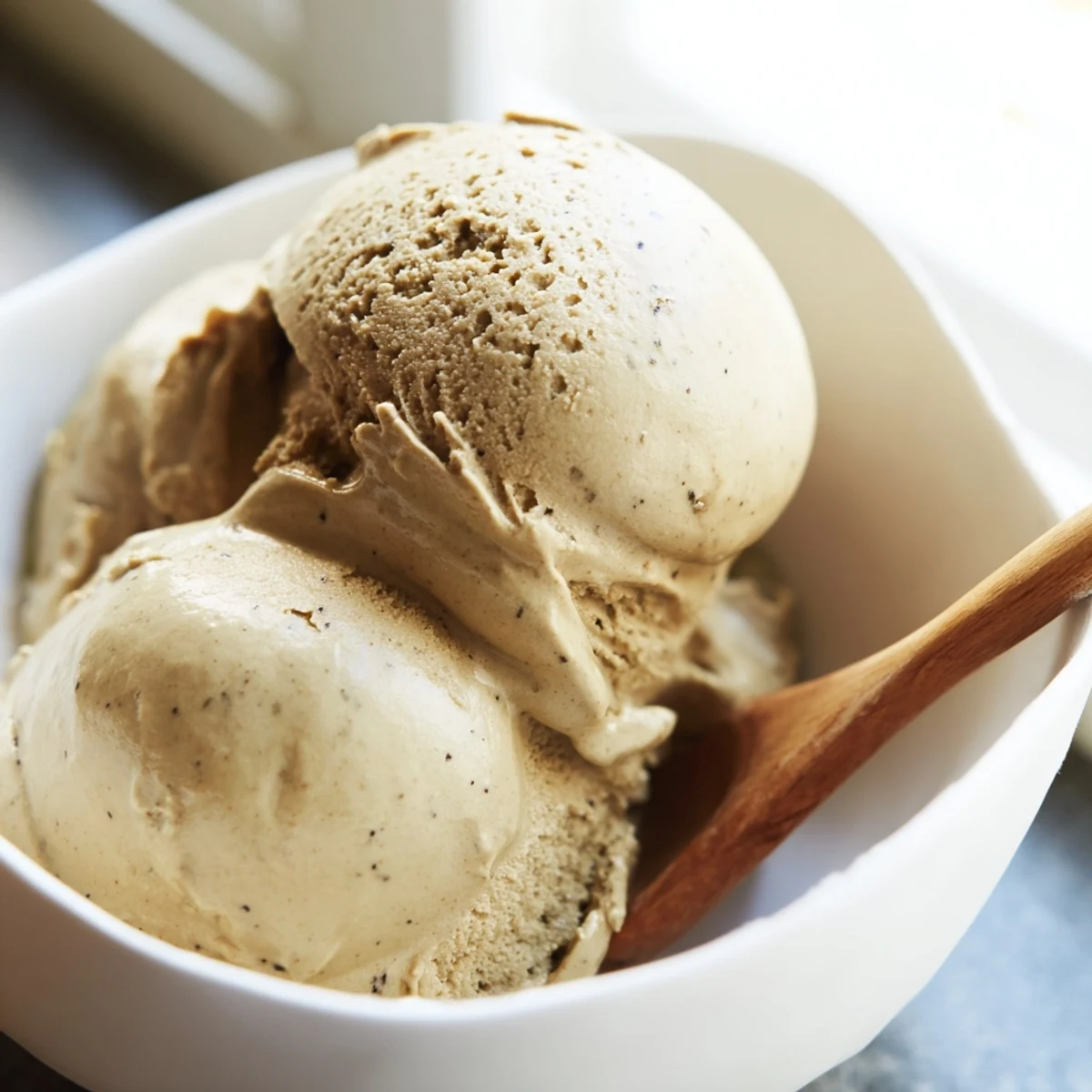
 Create this luscious Japanese-style frozen dessert featuring roasted hojicha green tea. The infusion process extracts deep, nutty flavors from the tea leaves, resulting in a caramel-colored treat with distinctive roasted notes. The custard base combines rich dairy with egg yolks for velvety smoothness. After steeping the tea in warm milk and cream, you'll strain and temper with yolks before churning to perfection. The result is a sophisticated dessert balancing creaminess with hojicha's signature earthy, toffee-like undertones.
My grandmother kept a tin of hojicha that smelled like autumn evenings and quiet conversations. We would sit at her kitchen table, dipping cookies into the amber brew while she told stories about her childhood in Kyoto. The roasted, nutty aroma always made me feel safe somehow. When I discovered that same distinctive flavor could transform into ice cream, it felt like finding a hidden door to memory lane.
Last summer, I made a batch for a dinner party and watched my guests fall silent as they took their first bites. The ice cream had churned perfectly, that distinct hojicha flavor coming through in waves. Someone asked if it was coffee, another guessed caramel, but everyone agreed it was something special. Now it is the dessert I turn to when I want to serve something memorable without spending hours at the stove.
Ingredients
- Whole milk: Creates the creamy base that carries the hojicha flavor beautifully
- Heavy cream: Essential for that luxurious texture that makes ice cream unforgettable
- Hojicha loose leaf tea: The star ingredient, roasted to bring out those warm, nutty notes we love
- Egg yolks: Give the custard its silky structure and rich mouthfeel
- Granulated sugar: Balances the slight bitterness of the roasted tea
- Salt: A tiny pinch wakes up all the flavors and makes them sing
Instructions
- Warm the dairy:
- Combine milk and cream in a medium saucepan over medium heat until you see steam rising but bubbles never break the surface
- Infuse the tea:
- Remove from heat, stir in the hojicha leaves, and let them work their magic for ten minutes while the kitchen fills with that incredible roasted aroma
- Strain and return:
- Pour the mixture through a fine sieve, really pressing those leaves to extract every bit of flavor, then put the liquid back in the pan
- Prepare the yolks:
- Whisk egg yolks, sugar, and salt until they turn pale and thick like a promise of something wonderful
- Temper gently:
- Slowly pour about half the warm tea mixture into the yolks, whisking like your life depends on it, then return everything to the saucepan
- Cook to perfection:
- Stir constantly over low heat with a wooden spoon until the custard coats the back of the spoon and you can run a clean line through it
- Chill completely:
- Strain once more into a clean bowl and let it cool before refrigerating for at least three hours or overnight
- Churn and freeze:
- Follow your ice cream makers instructions, then transfer to a container and freeze for at least one hour before serving
 Pin It
 There was that one evening I made this for someone who was going through a rough time. We sat on the back porch watching the fireflies, each spoonful of the roasty, creamy ice cream seeming to make everything a little more bearable. Food cannot fix everything, but sometimes it can make the darkness feel a little less heavy.
Getting the Steep Right
The difference between okay hojicha ice cream and extraordinary hojicha ice cream comes down to patience. I have tried rushing the steeping process and ended up with something that tasted like regular vanilla with a vague tea whisper. Let those leaves do their work undisturbed, maybe step away to wash a few dishes or answer some emails. When you return, that kitchen will smell like the most wonderful Japanese tea house you have never visited.
Serving Suggestions
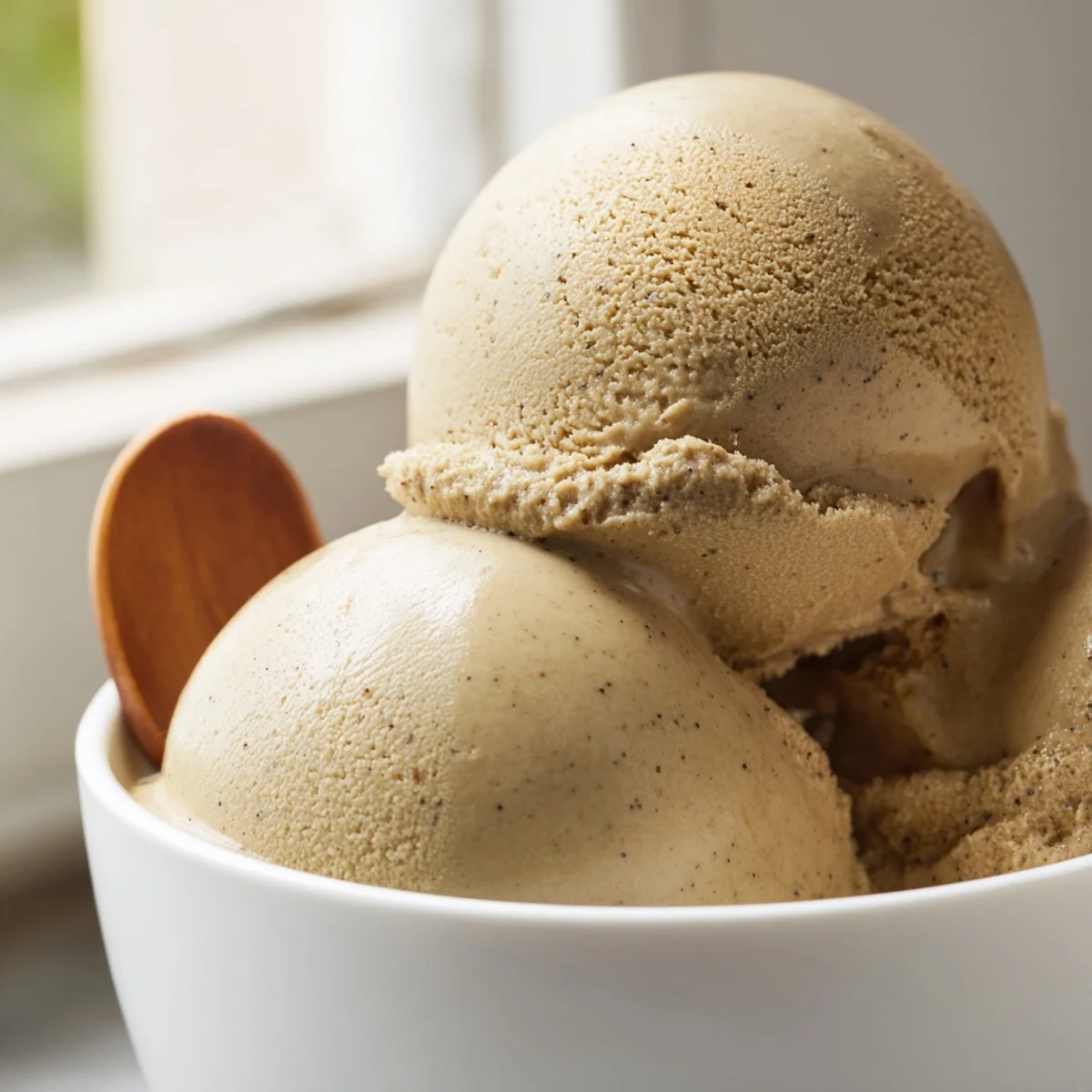
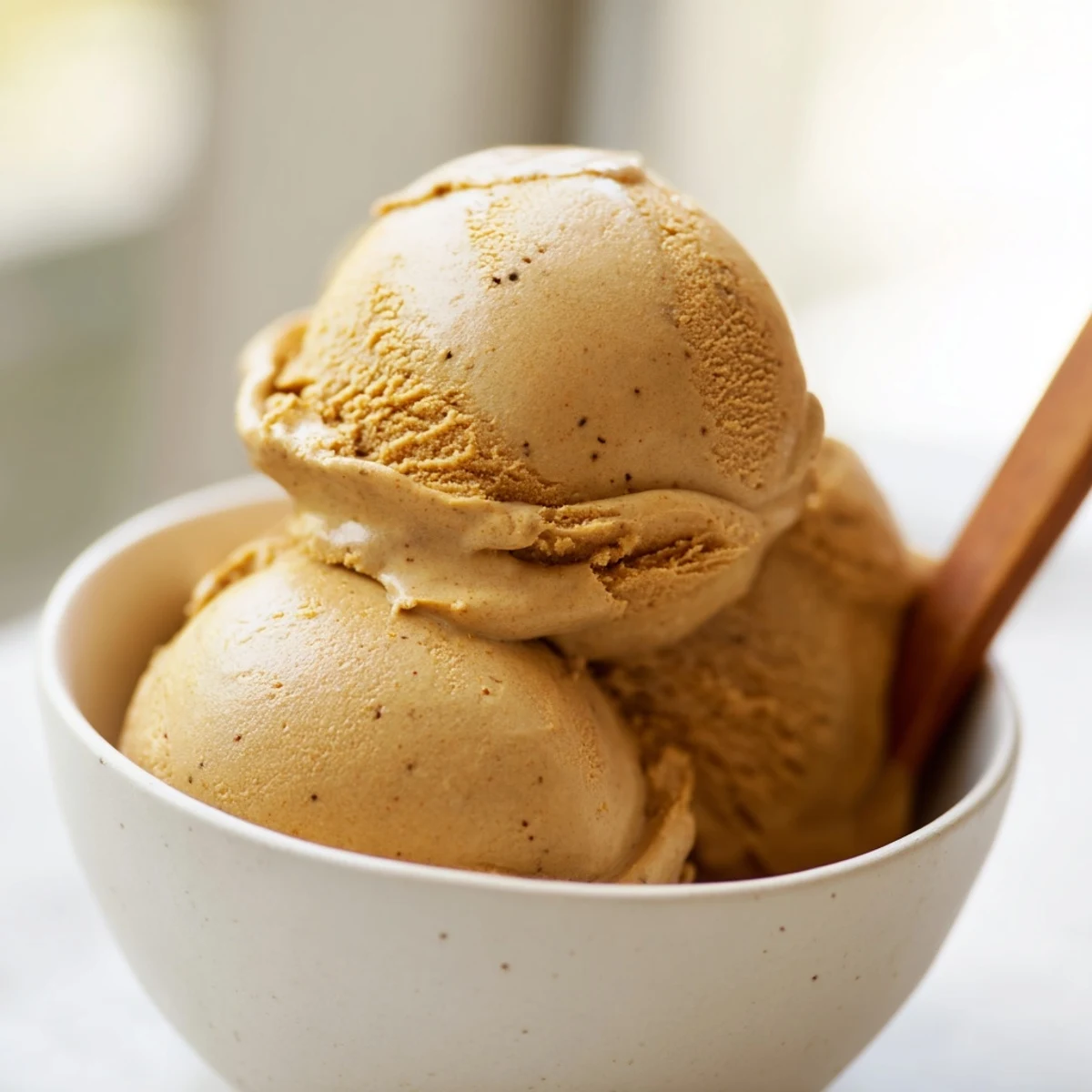
Sometimes I serve this in simple bowls with a dusting of toasted sesame seeds that crunch against the smooth ice cream. Other times I drizzle brown sugar syrup over the top and watch it create little caramel rivers through the tea colored cream. The color alone is stunning, sort of like a latte that decided to become dessert. Your guests will ask questions, and you will get to tell them about hojicha and how the roasting process gives it that distinctive flavor profile.
Making Without a Machine
Not everyone has an ice cream maker gathering dust in the pantry, and I completely understand. You can still achieve something wonderful by freezing the custard in a shallow container and whisking it vigorously every thirty minutes until it is set. The texture will be slightly different, more like a gelato than American style ice cream, but the flavor remains absolutely gorgeous.
- Set a timer for those thirty minute intervals or you will definitely forget
- A fork works better than a whisk for breaking up ice crystals during the freezing process
- The final texture should be smooth enough to scoop but still soft enough to serve immediately
 Pin It
 There is something deeply satisfying about serving a dessert that feels both familiar and completely unexpected. Hope this recipe finds its way into your regular rotation and creates as many happy moments as it has in my kitchen.
Recipe Q&A
- → What does hojicha taste like?
-
Hojicha delivers roasted, nutty flavors with caramel undertones. Unlike other green teas, it's low in tannins and offers a smooth, earthy profile reminiscent of roasted coffee but without bitterness.
- → Can I make this without an ice cream maker?
-
Yes. Freeze the custard in a shallow container, stirring every 30 minutes until frozen and smooth. This manual method takes longer but still yields creamy results.
- → How long does homemade ice cream keep?
-
Store in an airtight container for up to 2 weeks. For best texture and flavor, consume within the first week. The hojicha flavor may intensify slightly over time.
- → What pairs well with hojicha ice cream?
-
Top with toasted sesame seeds, black sugar syrup, or adzuki beans. It also complements mochi, rice cakes, or stands alone beautifully as a refined dessert.
- → Is this gluten-free?
-
Yes, all ingredients are naturally gluten-free. However, verify your hojicha tea source to ensure no cross-contamination occurred during processing.
- → Why strain the custard twice?
-
The first strain removes tea leaves after steeping. The second strain catches any cooked egg bits, ensuring perfectly smooth, creamy texture throughout.