
 Pin It
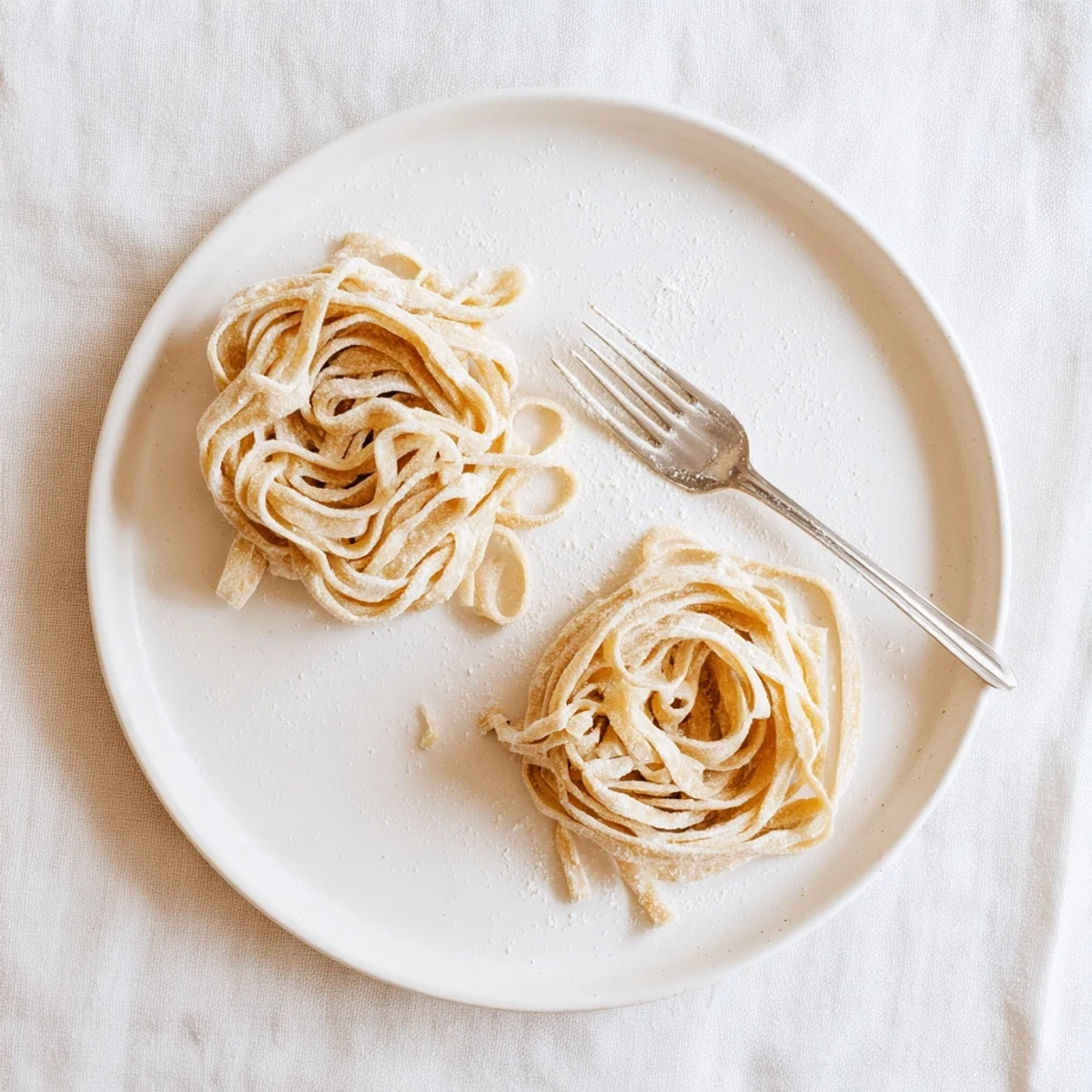
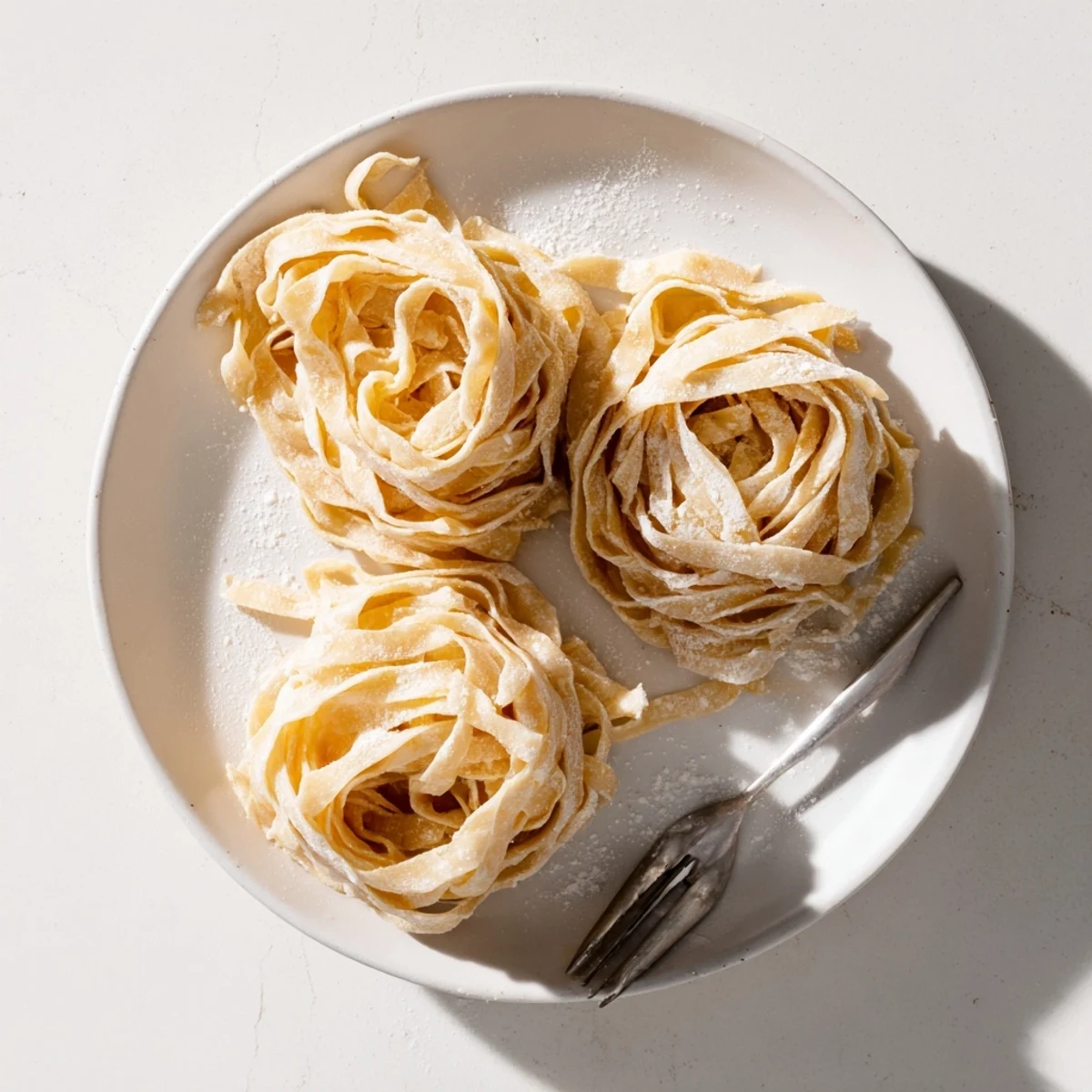
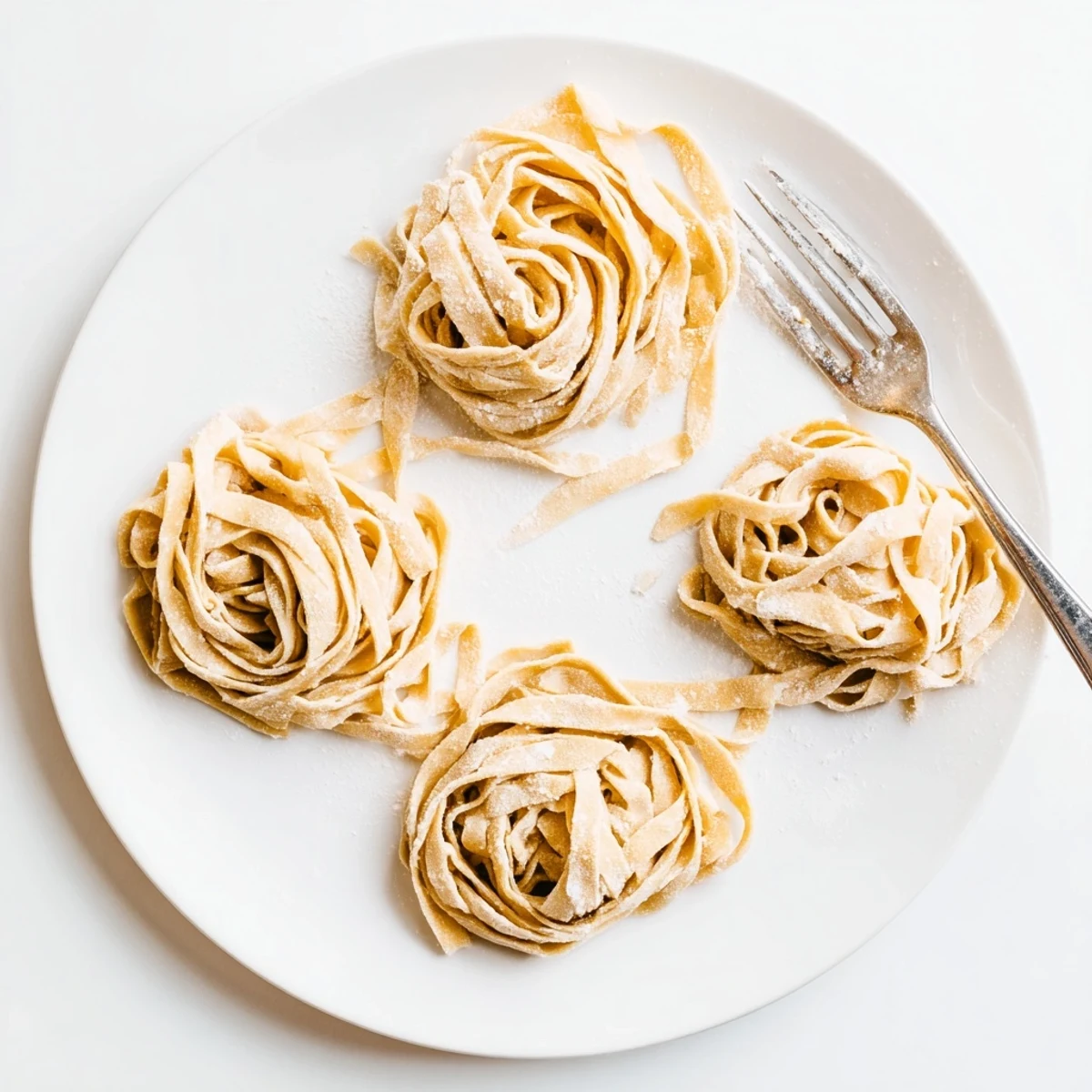
 Craft authentic Italian-style pasta using active sourdough starter instead of traditional flour-only dough. The fermented starter adds subtle tang, improves texture, and creates strands with exceptional bite. After mixing flour, eggs, and bubbly starter, knead until smooth, then rest for one hour to develop gluten. Roll thin and cut into your preferred shape—wide ribbons for hearty sauces, delicate strands for light preparations. Fresh sourdough pasta cooks in just 2–3 minutes, achieving perfect al dente texture. The dough's enhanced structure pairs beautifully with tomato sauces, pesto, or browned butter.
My sourdough starter was overflowing again and I could not bear to discard another cup of that bubbly, fermented gold. That is when I decided to experiment with pasta dough, and the result was a revelation. The slight tang from the starter adds depth you cannot get from eggs alone. Now this is my go-to whenever I want something special but do not want to spend all day in the kitchen.
Last winter my sister came over for dinner and watched me roll out the dough, skeptical about the sourdough addition. One bite of the finished pasta and she asked for the recipe before even finishing her plate. We sat at the table for hours, just eating and talking, the way meals should be.
Ingredients
- All-purpose flour (200 g): Creates the structure for your pasta, but do not be afraid to use semolina for a more rustic bite
- Active sourdough starter (100 g): This is where the magic happens, adding tang and making the dough more extensible and easier to roll
- 2 large eggs: The protein that helps bind everything together while enriching the texture
- Fine sea salt (1/2 tsp): Essential for flavor, but sprinkle it around the edges of your flour well so it does not directly hit the eggs
- Olive oil (1 tbsp, optional): A tablespoon makes the dough more forgiving and supple, especially helpful if you are new to pasta making
Instructions
- Mix the base:
- Combine flour and salt in a bowl, creating a deep well in the center where you will crack the eggs and add your starter and olive oil.
- Bring it together:
- Whisk the wet ingredients gradually, pulling in flour from the edges until a shaggy dough starts to form.
- Knead with patience:
- Turn onto a floured surface and work the dough for 8 to 10 minutes until it transforms from rough to smooth, silky, and elastic.
- Let it rest:
- Wrap the dough tightly and let it sit for an hour, which allows the gluten to relax and makes rolling significantly easier.
- Roll and cut:
- Divide dough in half, keeping one piece covered, and roll to your desired thickness before cutting into fettuccine, pappardelle, or sheets.
- Cook briefly:
- Boil salted water and cook fresh pasta for just 2 to 3 minutes, tasting often, because it goes from perfect to overcooked fast.
 Pin It
 This pasta has become a dinner party staple because people cannot quite put their finger on what makes it different. They just know it is better than anything they have had before.
Making It Ahead
You can mix the dough up to 24 hours before rolling and store it in the refrigerator, wrapped tightly. The extra rest time actually improves the texture, letting the sourdough work its magic even more.
Rolling By Hand
A pasta machine is convenient, but a rolling pin works beautifully too. Just rotate the dough frequently as you roll, keeping it circular, and dust with flour as needed so it does not stick.
Sauce Pairings
Keep it simple so the sourdough flavor shines through. Brown butter with sage, a simple pesto, or just good olive oil and parmesan let the pasta itself take center stage.
- Tomato sauces work but choose lighter preparations so the flavor does not overwhelm the pasta
- Cream-based sauces pair beautifully with the slight tang
- For the purest experience, toss with olive oil, garlic, and fresh herbs only
 Pin It
 There is something deeply satisfying about turning something as simple as flour and starter into something this extraordinary.
Recipe Q&A
- → What does sourdough add to pasta?
-
Active sourdough starter introduces subtle tanginess, improves dough elasticity, and creates pasta with better texture retention during cooking. The fermented grains also enhance digestibility and add complex flavor depth.
- → Can I use discard starter?
-
While active, bubbly starter yields best results, unfed discard can work. Expect slightly less rise and milder flavor. For optimal texture, use starter fed within 8–12 hours and showing clear fermentation activity.
- → How thin should I roll the dough?
-
Aim for thickness between 1–2mm for most cuts. Tagliatelle and fettuccine work well at 2mm, while ravioli sheets should be rolled thinner to approximately 1mm for proper folding and cooking.
- → Why rest the dough?
-
Resting allows gluten strands to relax after kneading, making the dough more pliable and easier to roll thin without springing back. This crucial step ensures even thickness and smooth, workable pasta.
- → Can I dry this pasta?
-
Yes. After cutting, spread strands in a single layer on a floured baking sheet. Let air-dry for 12–24 hours until completely brittle. Store in an airtight container for up to 3 months. Dried pasta cooks in 4–6 minutes.
- → What sauces work best?
-
The tangy notes complement rich tomato sauces, cream-based preparations, or browned butter with sage. Avoid delicate oils which might be overpowered. The hearty texture also stands up to chunky meat or vegetable ragù.