
 Pin It
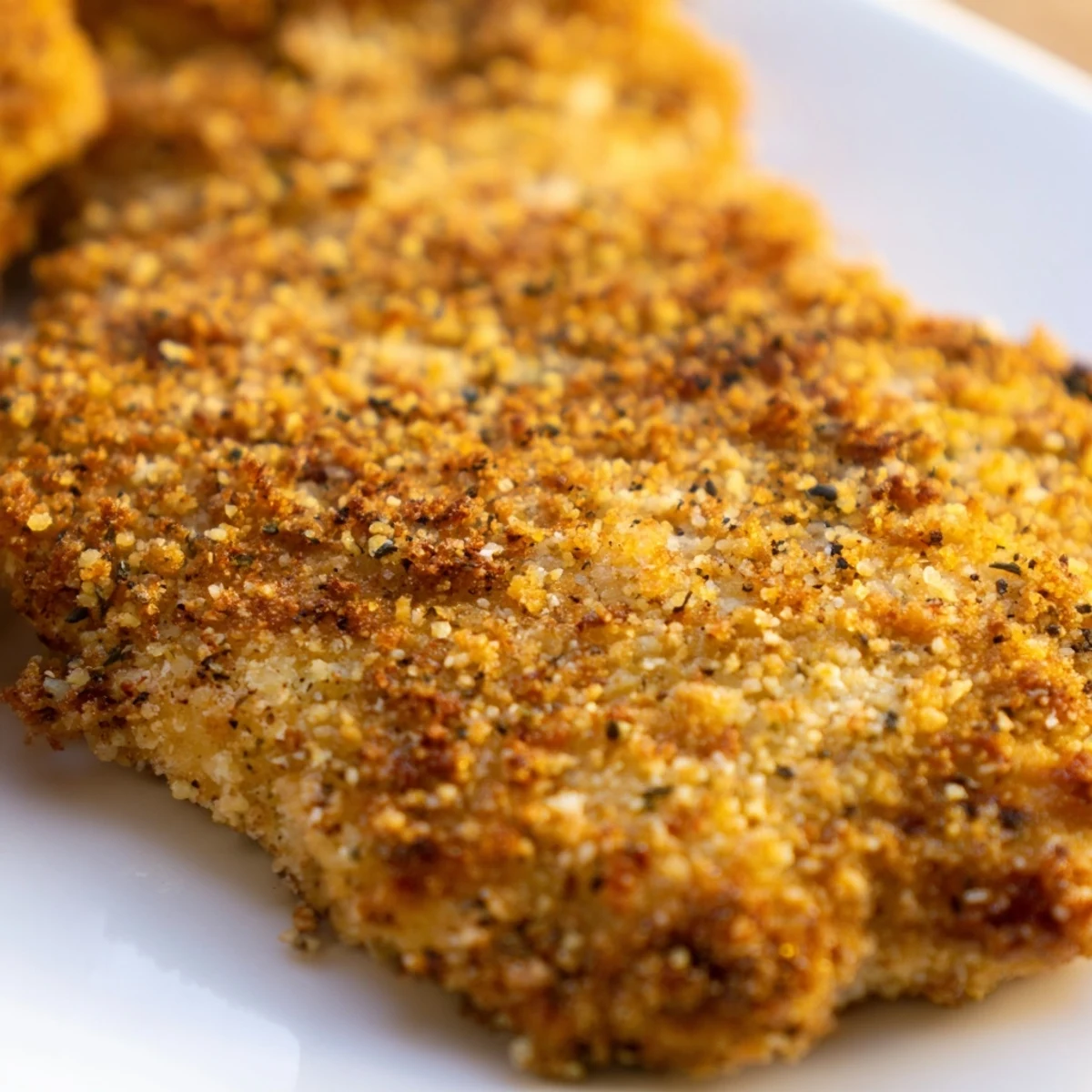
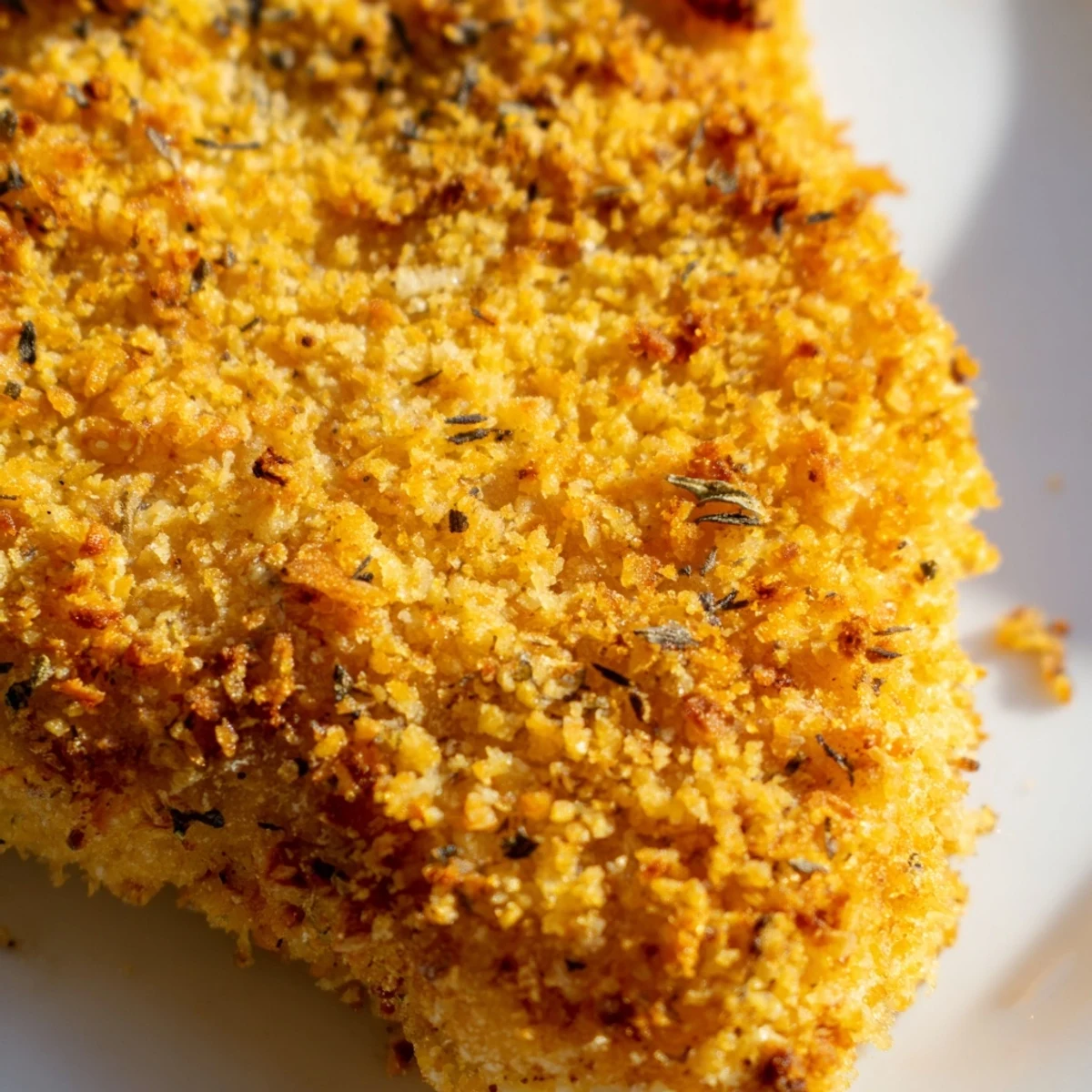
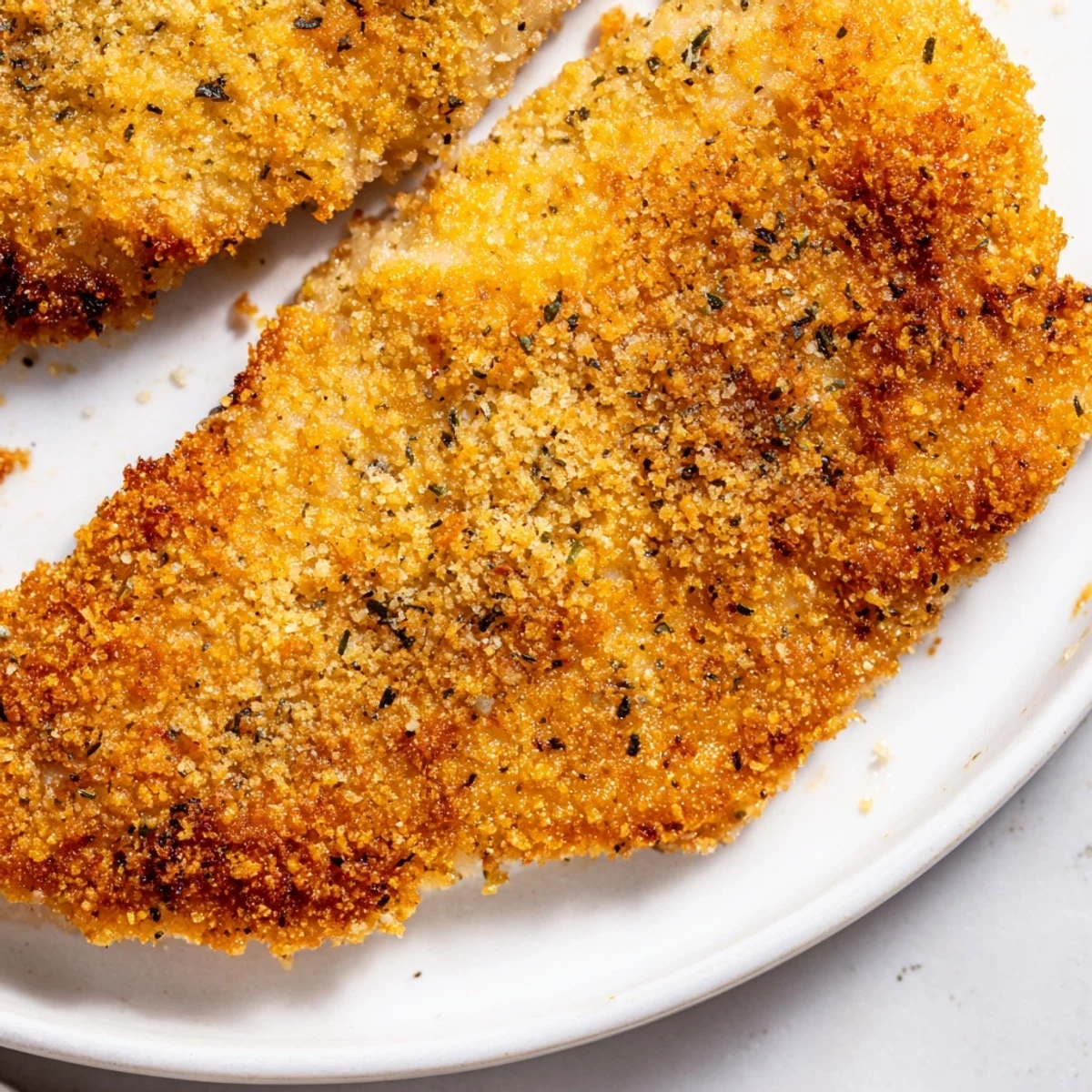
 These golden cutlets feature a crunchy Parmesan and herb coating that delivers restaurant-quality results in your own kitchen. The classic three-step breading process creates irresistibly crispy edges while keeping the chicken tender and juicy inside.
Perfect for busy weeknights, this Italian-American staple comes together in just 30 minutes from start to finish. Serve with lemon wedges for brightness, pair with spaghetti marinara, or layer between crusty bread for an exceptional sandwich.
The oil was already popping when my roommate Marco leaned against the doorframe, holding a takeout menu we both knew we would not need. He had watched me pound out chicken breasts with more frustration than skill, but something about the smell of garlic powder hitting hot oil made the whole tiny apartment feel like we were somewhere in Brooklyn, not three broke college kids with a chipped pan. That night the cutlets came out uneven, slightly burnt in spots, but we ate them standing up and Marco actually put down the menu.
Years later I made these for my niece who claimed she hated everything, and she ate three cutlets without saying a single word except asking if there were more. She even used the lemon wedge exactly the way my grandmother did, squeezing it over the crispy top until the oil glistened. Sometimes the simplest recipes are the ones that sneak up on you and become part of your regular rotation.
Ingredients
- Chicken breasts: Pounding them thin means they cook fast and stay tender, plus you get that satisfying surface area for maximum crunch
- Flour: The first layer that helps everything stick, so do not skip shaking off the excess or the coating gets clumpy
- Eggs and milk: Whisked together this becomes the glue that holds the breading in place while the chicken sizzles
- Italian breadcrumbs and Parmesan: This combination is what makes it taste like something from a red checked tablecloth restaurant instead of just fried chicken
- Dried oregano and garlic powder: The backbone of that Italian American flavor profile we all recognize immediately
- Salt and black pepper: Do not skimp here because the chicken needs seasoning inside the crust
- Olive oil: You want enough oil to come halfway up the cutlets so they fry instead of saute, creating that golden crust we are after
- Lemon wedges: That final hit of acid cuts through the richness and brightens every single bite
Instructions
- Set up your breading station:
- Get three shallow bowls ready with flour in one, eggs whisked with milk in another, and the breadcrumbs mixed with Parmesan and all those seasonings in the third. Having everything prepped before you start frying saves you from that chaotic moment when the oil is already hot and you are still digging through cabinets.
- Coat the chicken like a pro:
- Pat each chicken breast completely dry because moisture is the enemy of crispy crusts. Dredge through flour first, shake off the loose powder, dip in the egg mixture letting excess drip off, then press firmly into the crumb mixture so it really sticks.
- Fry until golden perfection:
- Get your oil shimmering in a large skillet over medium high heat, then add the cutlets without crowding the pan because that drops the temperature and makes everything soggy. Cook three to four minutes per side until deep golden brown and the chicken reaches 165 degrees inside.
 Pin It
 These became my go to for lazy Sunday suppers, usually served with whatever spaghetti I could throw together or just a big salad when I was trying to feel virtuous. The leftovers tucked into sandwiches with some extra Parmesan and arugula made the best Monday lunch at the office.
Getting the Most Crisp
After dozens of batches I learned that letting the breaded cutlets sit on a wire rack for at least ten minutes before they hit the oil makes a huge difference in how well the coating adheres. The drying time lets the egg and crumb mixture set up so you get that shatteringly crunchy exterior instead of breading that peels off in the hot oil.
Oil Temperature Secrets
The oil should shimmer but not smoke when you add the chicken, and if you see the browning happening too fast, drop the heat slightly. I keep an instant read thermometer nearby and aim for 350 degrees, but honestly, after making these enough times you learn to trust your eyes and that steady sizzling sound that means the crust is forming properly.
Serving Ideas That Work
Sometimes I layer these on rolls with provolone and spicy mayo for sandwiches that disappear faster than I can serve them. Other nights they go over pasta with some extra parmesan and fresh basil scattered on top like the old school red sauce joints do.
- Warm the lemon wedges slightly before serving to release more juice when squeezed
- A final sprinkle of flaky sea salt right after they come out of the oil makes everything pop
- Leftovers reheat surprisingly well in a 400 degree oven for about ten minutes
 Pin It
 The best chicken cutlets are the ones eaten while still too hot to really enjoy, standing at the stove with oil on your fingers and lemon juice running down your wrist. That first crunch is worth every splattered stove and extra dish.
Recipe Q&A
- → How do I get the breading to stick properly?
-
Pat the chicken completely dry before breading. Shake off excess flour after the first dredge, and press the breadcrumb mixture firmly onto each cutlet to ensure it adheres well during frying.
- → Can I make these ahead of time?
-
Bread the cutlets up to 4 hours ahead and refrigerate on a parchment-lined baking sheet. Fry just before serving for the crispiest results. Leftovers reheat beautifully in a 375°F oven.
- → What's the best way to pound chicken breasts evenly?
-
Place chicken between two sheets of plastic wrap or parchment paper. Using a meat mallet or rolling pin, pound from the center outward until you achieve an even ½-inch thickness throughout.
- → How do I know when the cutlets are done?
-
The cutlets should be golden brown on both sides and register 165°F on a meat thermometer. If you don't have one, cut into the thickest part to verify the meat is opaque throughout.
- → Can I use panko instead of Italian breadcrumbs?
-
Absolutely! Panko creates an even lighter, crispier coating. Consider mixing panko with some Italian seasoning and grated Parmesan to maintain that classic herbaceous flavor profile.
- → What should I serve with these cutlets?
-
Lemon wedges are essential for brightening the rich flavor. Classic pairings include spaghetti with marinara, garlic bread, or a simple arugula salad dressed with olive oil and balsamic.