
 Pin It
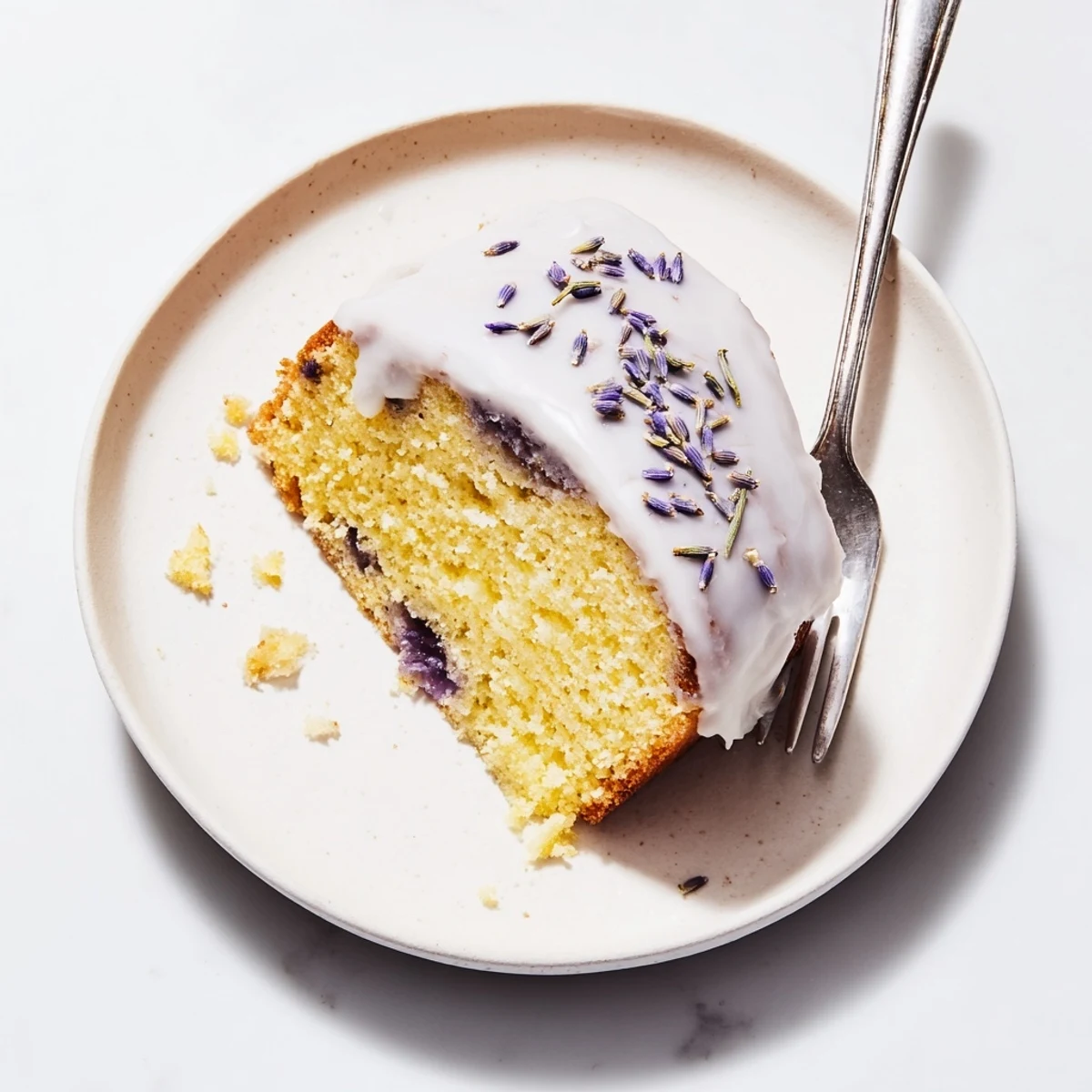
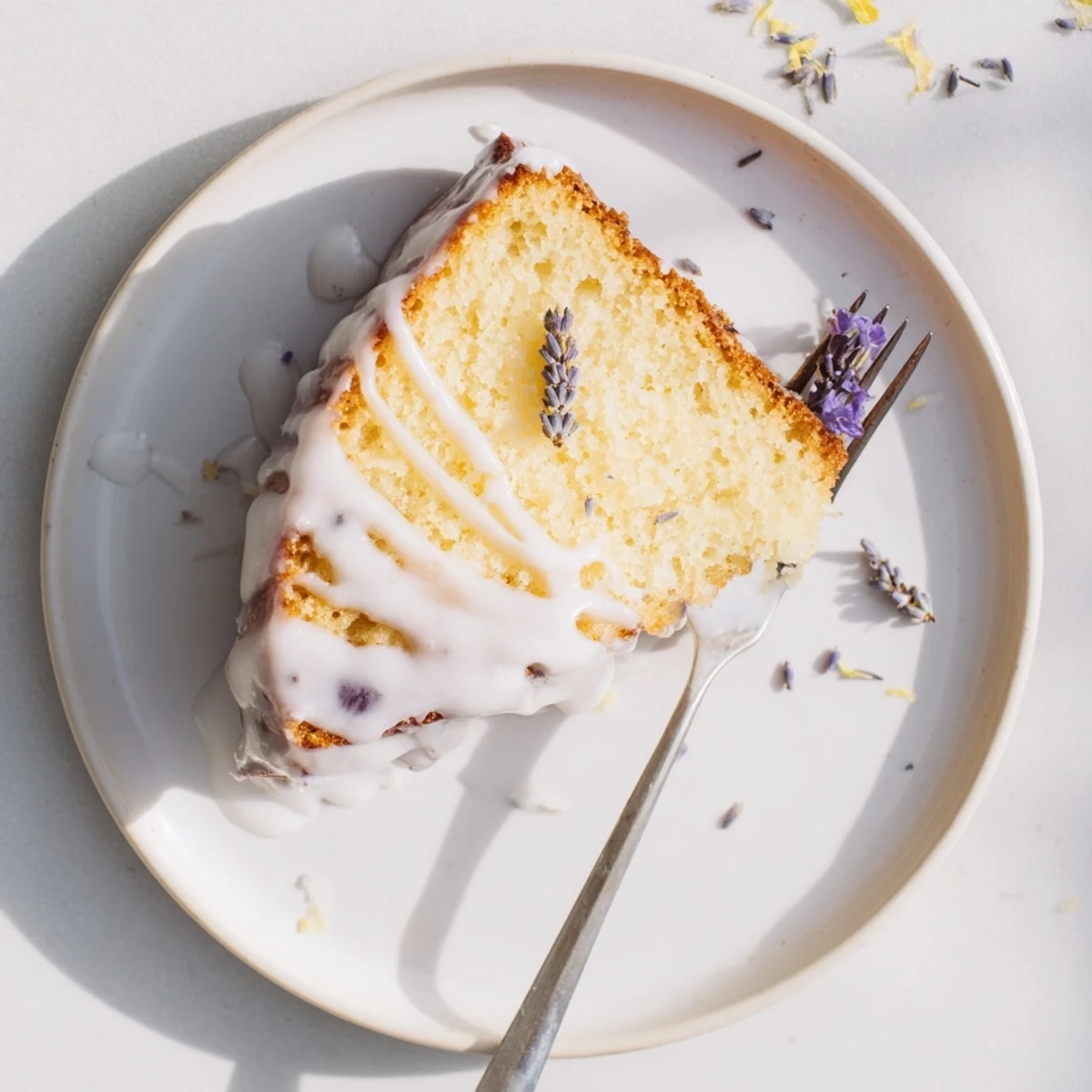
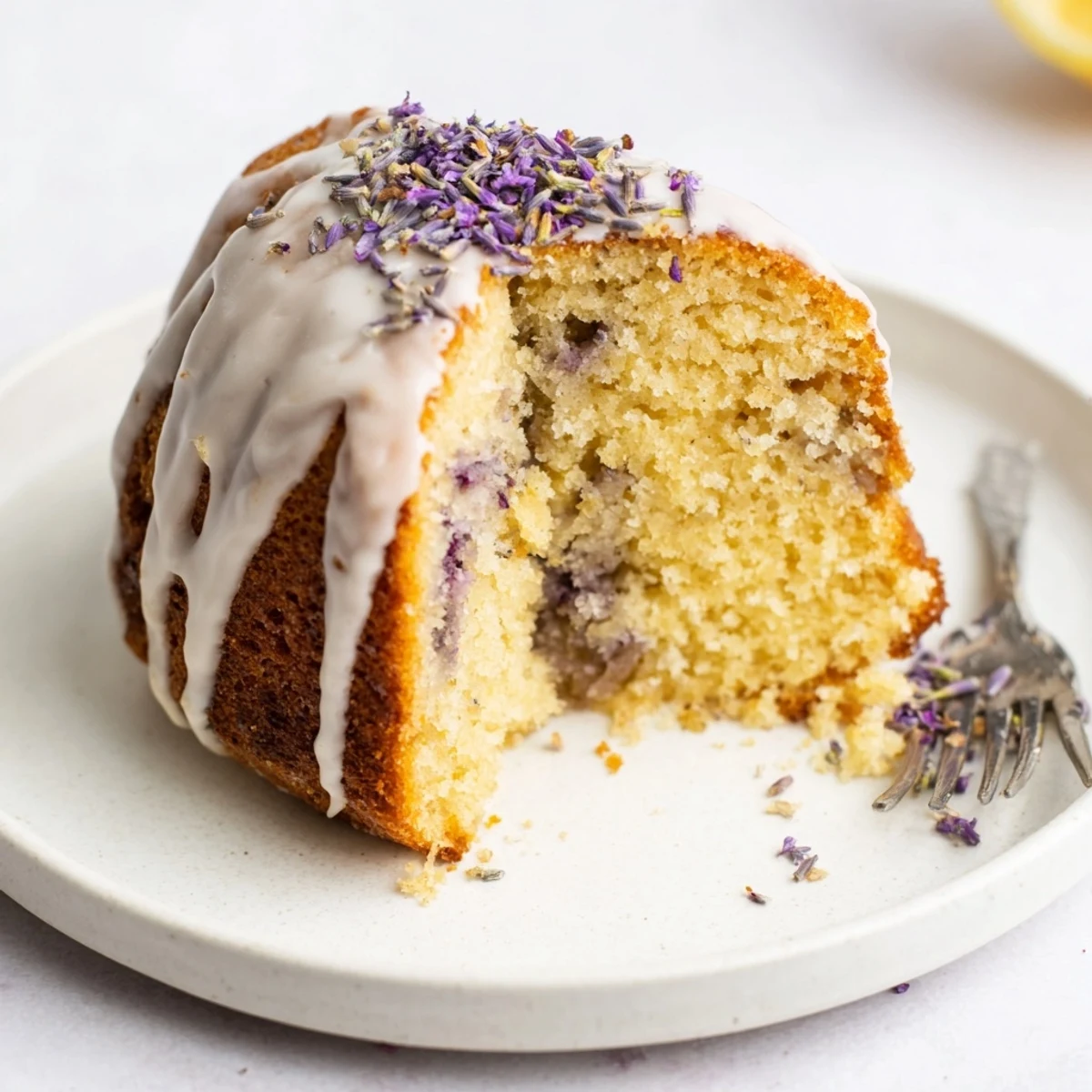
 This delightful cake brings together the bright, citrusy flavor of fresh lemons with the delicate floral notes of culinary lavender. The result is a wonderfully moist and fragrant dessert that's perfect for spring celebrations or an elegant afternoon tea. The batter incorporates lemon zest directly into the sugar, releasing essential oils for maximum flavor, while chopped lavender flowers are folded into the dry ingredients for even distribution throughout the tender crumb. A simple lemon glaze adds the finishing touch, providing a sweet-tart contrast that beautifully complements the floral undertones.
Last spring, my neighbor Anne brought over a bundle of fresh lavender from her garden and challenged me to bake something that wasnt the usual scones. I stood in my kitchen, rubbing the fragrant buds between my fingers, wondering how they would dance with bright lemon. The first attempt was overwhelmingly floral—I learned quickly that a little lavender goes a very long way.
When I finally nailed the balance, I served this at my mothers birthday brunch. She took one bite, closed her eyes, and said it tasted like sunshine and gardens all at once. Now it is the cake I make whenever I need something that feels special without being fussy.
Ingredients
- 2 cups all-purpose flour: The foundation that holds everything together—sift it first to avoid any lumps
- 1 tablespoon dried culinary lavender: Please buy culinary grade, not the stuff from bath shops, and chop it finely so it distributes evenly
- 1 cup granulated sugar: Rubbing this with the lemon zest first releases oils that make the whole cake fragrant
- ½ cup unsalted butter: Soften it properly at room temperature—you cannot rush this step or your cake will be dense
- 2 large eggs: Room temperature eggs incorporate better and give you that tender crumb
- ¾ cup whole milk: Adds richness, but Ive used buttermilk for a slight tang that works beautifully
- ⅓ cup fresh lemon juice: Adds brightness and reacts with baking soda for extra lift
- 1 cup powdered sugar: For the glaze—sift it or you will spend forever fishing out lumps
Instructions
- Preheat and prep your pan:
- Heat your oven to 350°F and generously grease a 9-inch round pan, then dust it with flour—this matters more than you think
- Whisk the dry ingredients:
- Combine flour, baking powder, baking soda, salt, and that chopped lavender in a medium bowl, then set it aside
- Infuse the sugar:
- Rub the sugar and lemon zest together with your fingers until the sugar is fragrant and slightly yellow—this is the secret step
- Cream the butter and sugar:
- Beat the butter into that infused sugar for about 3 minutes until it is pale and fluffy, which creates air pockets for a lighter cake
- Add eggs and vanilla:
- Beat in the eggs one at a time, fully incorporating each before adding the next, then stir in the vanilla
- Combine everything gently:
- Alternate adding the dry ingredients and milk, starting and ending with the flour mixture, then fold in the lemon juice just until combined
- Bake until perfect:
- Pour the batter into your prepared pan, smooth the top, and bake for 30 to 35 minutes until a toothpick comes out clean
- Glaze while cooling:
- Whisk powdered sugar with lemon juice until it flows like honey, then drizzle it over the completely cooled cake
 Pin It
  Pin It
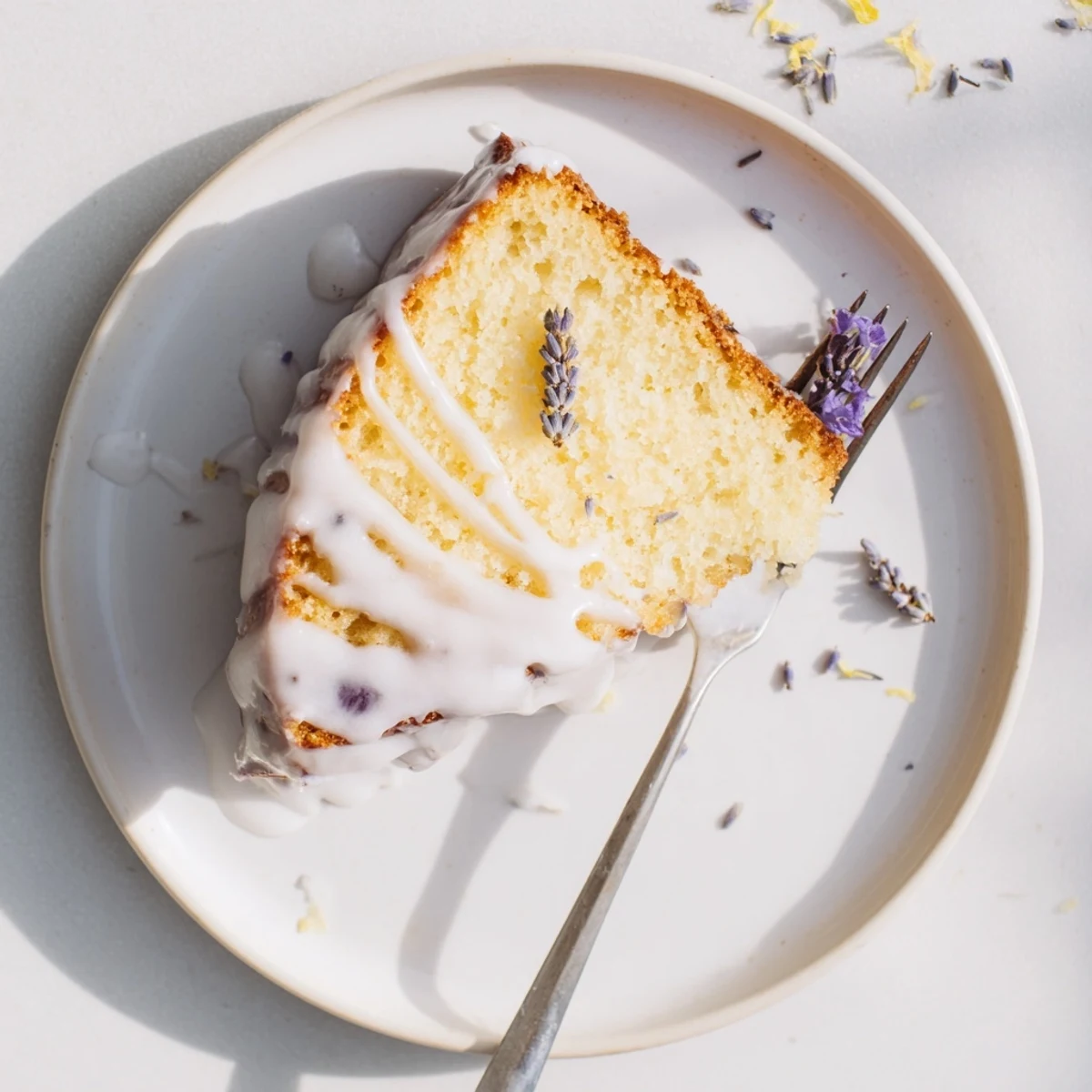
 My friend Sarah tasted this and immediately asked for the recipe for her daughters graduation tea. Seeing those tiny sandwiches and this cake on a three-tiered stand made me realize how something homemade can transform an ordinary gathering into something people remember years later.
Getting the Lavender Balance Right
Culinary lavender has this potent, perfumed quality that can easily tip into soap territory if you are not careful. I have found that one tablespoon is the sweet spot—enough to notice, not enough to overwhelm. Always grind it slightly between your fingers before measuring, which releases the oils and helps it distribute throughout the cake instead of clustering in little floral bombs.
The Sugar-Zest Technique
That step where you rub the sugar and lemon zest together? It is not optional. The abrasion of the sugar crystals punctures the tiny oil pockets in the zest, infusing the entire sugar mixture with lemon essence before you even add butter or eggs. I have skipped this when rushed, and the difference is obvious—the cake tastes lemony instead of singing with bright lemon flavor.
Making It Your Own
This cake is remarkably forgiving once you understand the basics. I have swapped lemon for orange and lavender for thyme when that was what I had on hand, and the result was still stunning. The key is maintaining that ratio of acid to floral notes.
- Add a handful of fresh blueberries to the batter for bursts of juicy contrast
- Try the glaze with honey instead of lemon juice for a mellower finish
- Bake these as cupcakes and reduce the time to about 18 minutes
 Pin It
  Pin It
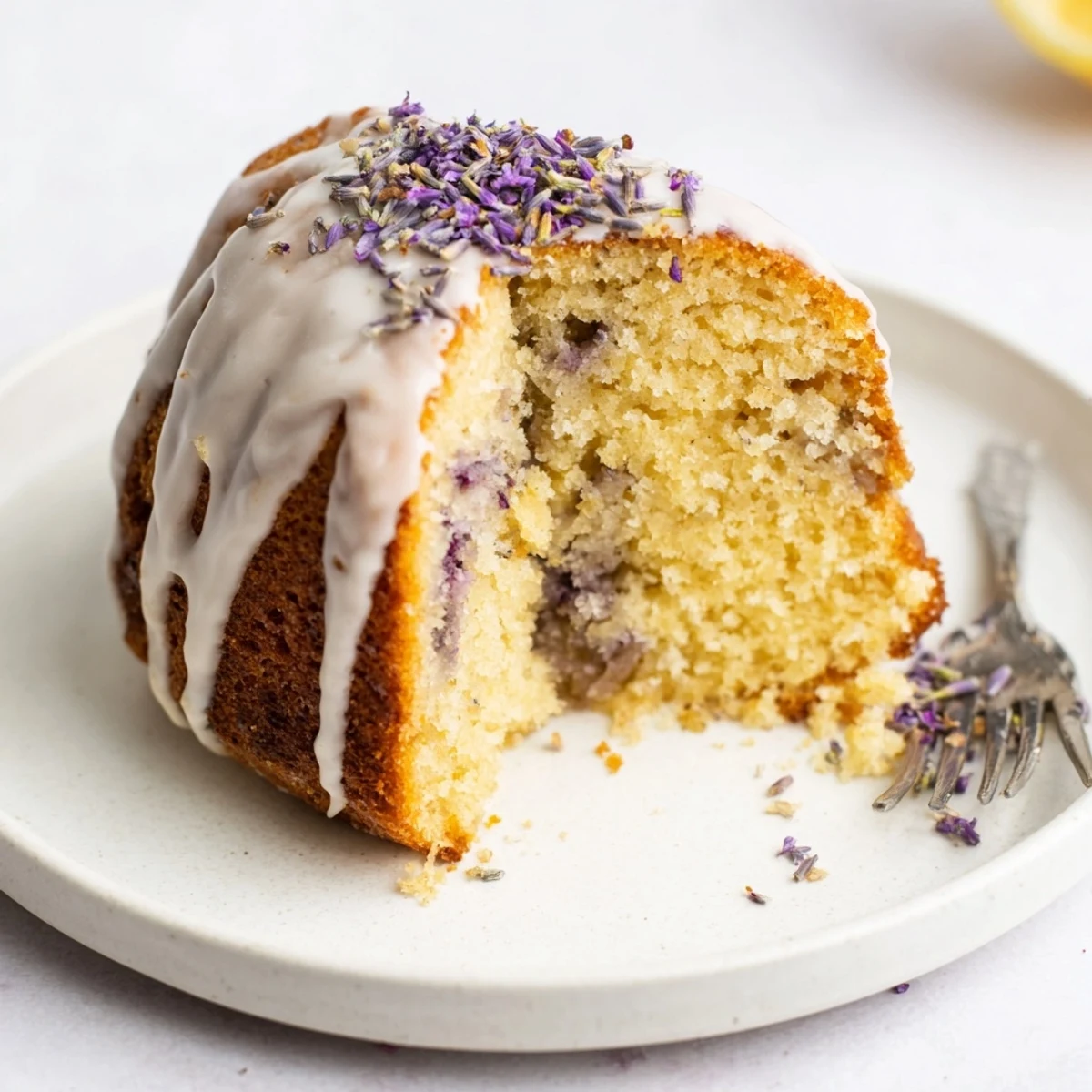
 There is something peaceful about baking a cake that smells like a garden in bloom. I hope this recipe finds its way into your spring traditions and afternoon tea moments.
Recipe Q&A
- → Can I use fresh lavender instead of dried?
-
Fresh lavender can be used, but it has a higher water content and milder flavor than dried. Use about twice the amount of fresh lavender buds, and ensure they're thoroughly cleaned and pesticide-free. Dried culinary lavender is preferred as it provides more consistent floral intensity.
- → How should I store this cake?
-
Store the cake in an airtight container at room temperature for up to 3 days. Once glazed, it's best kept in a cool spot or refrigerated if your kitchen is warm. Bring to room temperature before serving for the best texture and flavor.
- → Why is my lavender too strong?
-
Lavender potency varies by brand and source. Always start with the smaller amount called for and taste your batter before baking. The flavor intensifies during baking, so a subtle aroma in the raw batter will be more pronounced in the finished cake.
- → Can I make this as cupcakes?
-
Yes, this batter works beautifully for cupcakes. Fill lined muffin tins two-thirds full and reduce baking time to 18-22 minutes at the same temperature. You'll get approximately 18-24 cupcakes depending on size.
- → What type of lavender is best for baking?
-
English lavender (Lavandula angustifolia) varieties like Provence or Munstead are ideal for culinary use. They have a sweeter, less camphorous flavor than other varieties. Always purchase lavender specifically labeled as culinary-grade to ensure it's safe for consumption and free from pesticides.
- → Can I substitute the lemon juice with lemon extract?
-
Lemon extract is too concentrated and lacks the fresh acidity needed for this cake. Fresh lemon juice provides essential liquid and acid that reacts with baking soda for proper leavening. If you're concerned about sourness, reduce the juice slightly rather than substituting.