
 Pin It
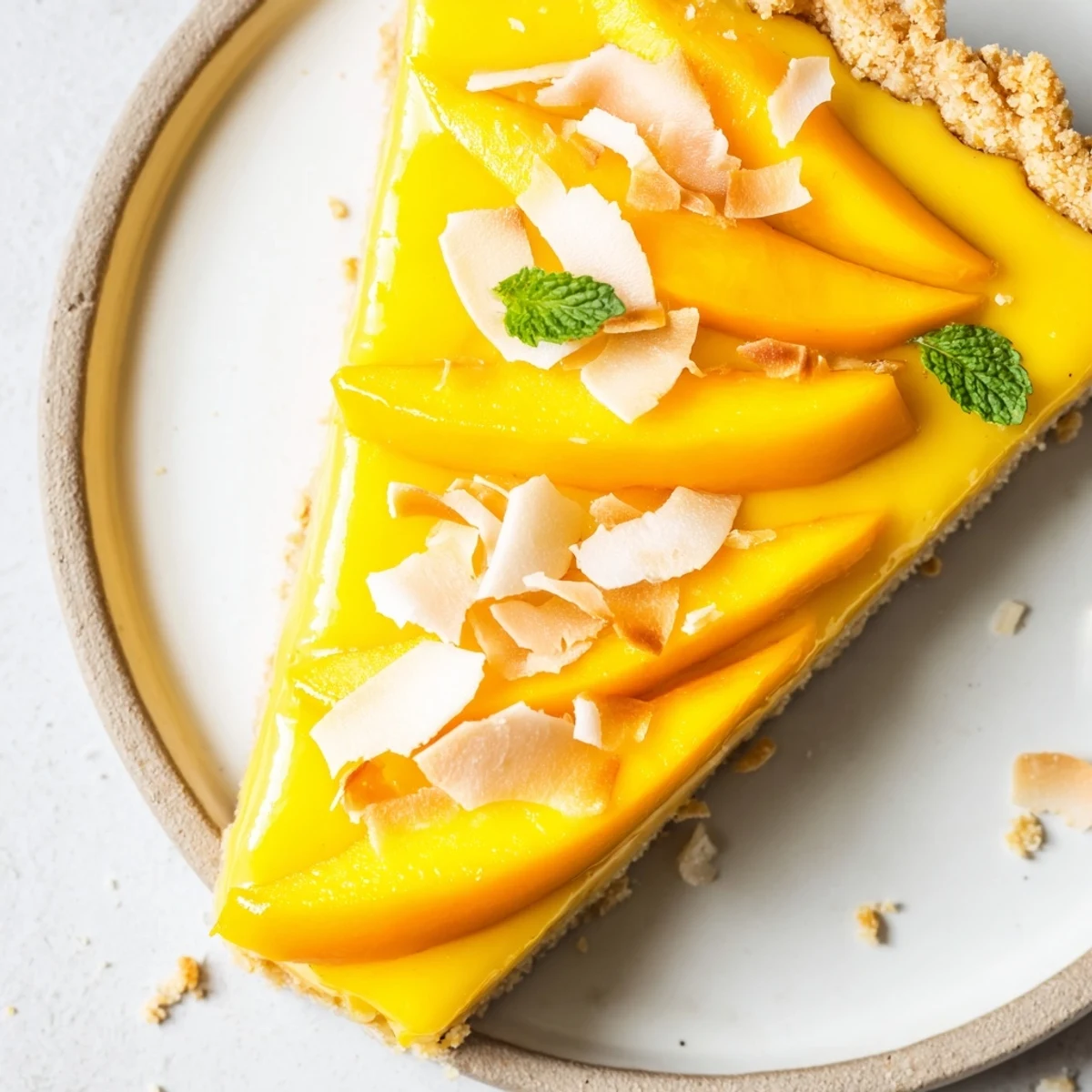
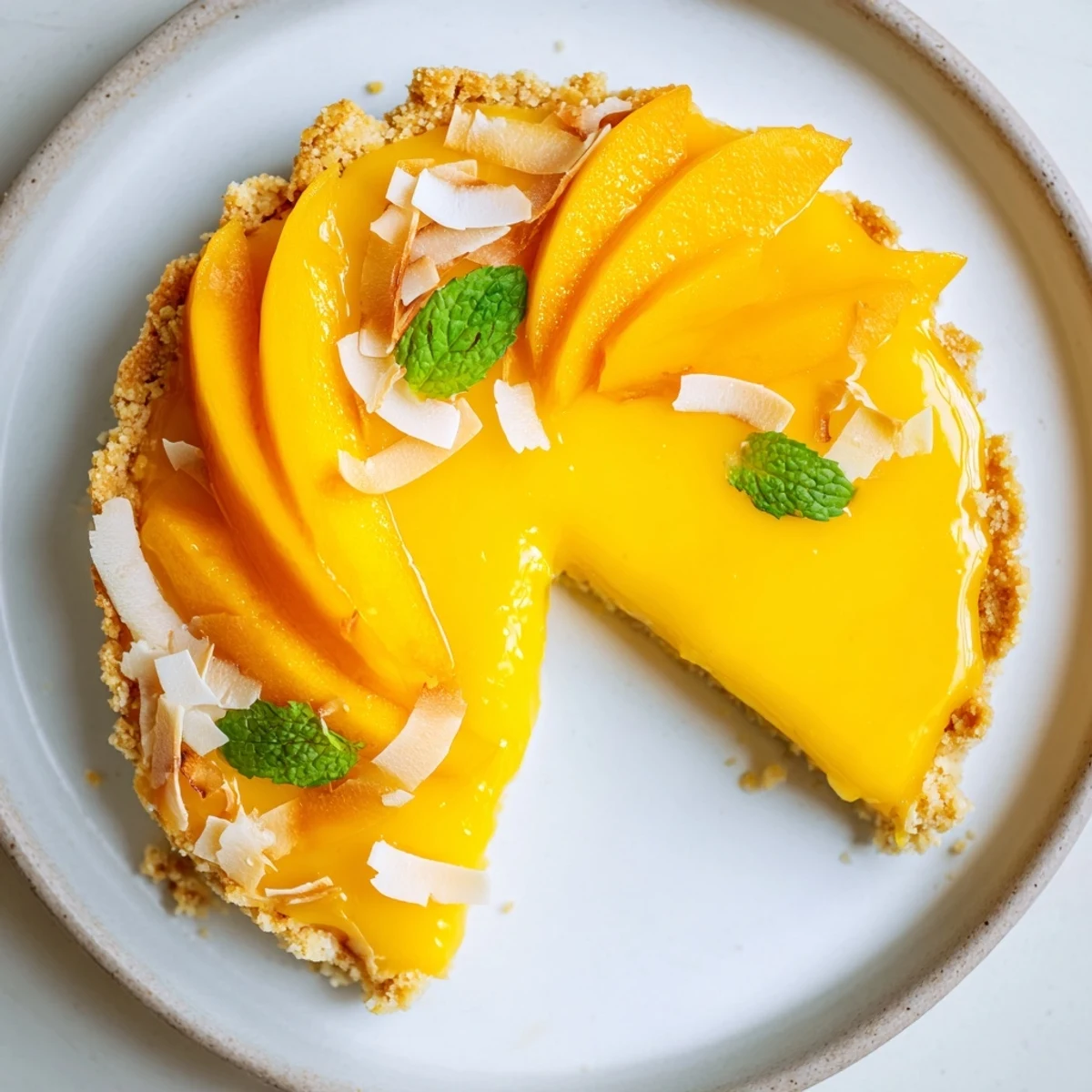
 This tropical dessert features a vibrant mango curd with a perfectly balanced sweetness and tang. The curd achieves its silky texture through careful stovetop cooking with fresh mango puree, eggs, and butter. A crisp, buttery pastry shell provides the ideal foundation, while optional fresh mango slices and toasted coconut add beautiful visual appeal and complementary flavors.
Perfect for warm weather gatherings, this tart requires some patience for chilling but rewards with restaurant-quality results. The mango curd can be prepared ahead, making it an excellent choice for stress-free entertaining.
The first time I made mango curd tart, it was an act of desperation. I had invited friends over for what I thought would be a simple dinner, then remembered at the last minute that I'd promised dessert. Four overripe mangoes sat on my counter, and somewhere between panic and inspiration, this tart was born. Now it's the one thing people actually ask me to bring to gatherings, no special occasion required.
Last summer, my neighbor's daughter had her graduation party in their backyard. I brought two of these tarts, thinking that would be plenty for about thirty people. An hour into the celebration, I went to check on the dessert table and both tart pans were completely empty, not even a crumb remaining. The graduate's grandmother actually hunted me down to get the recipe, which I consider the ultimate compliment.
Ingredients
- All-purpose flour: The foundation of your crust, and I've learned that weighing it gives you the most consistent results every single time
- Powdered sugar: Dissolves more easily than granulated sugar in the dough, creating a more tender shortbread-like texture
- Cold unsalted butter: Keep this ice-cold and work quickly when blending into the flour, those tiny butter pockets are what create flaky layers
- Egg yolk: Adds richness and helps bind the dough together without making it tough
- Cold water: Start with one tablespoon and only add more if the dough absolutely won't come together
- Salt: Just a pinch balances the sweetness and brings out the mango's natural flavor
- Mango puree: Fresh mangoes blended until completely smooth give the best flavor, but strained canned puree works perfectly in a pinch
- Egks and egg yolks: The combination of whole eggs and extra yolks creates that luxuriously thick, custard-like curd
- Granulated sugar: Sweetens the curd without interfering with the mango's delicate tropical flavor
- Fresh lime juice: The acid brightens everything and prevents the curd from tasting too heavy or cloying
- Unsalted butter: Stirred in at the end, this transforms the curd into something velvety and impossibly smooth
- Fresh mango slices: These aren't just for looks, they add texture and a burst of fresh mango flavor in every bite
- Toasted coconut flakes: The crunch and toasted flavor play so nicely with the tropical mango
- Mint leaves: A little pop of green and freshness that makes the whole tart taste brighter
Instructions
- Blend the dry ingredients:
- In a food processor, pulse the flour, powdered sugar, and salt until they're well combined and aerated.
- Cut in the butter:
- Add the cold butter cubes and pulse until the mixture looks like coarse breadcrumbs with some pea-sized pieces remaining.
- Bring the dough together:
- Add the egg yolk and one tablespoon of cold water, pulsing just until the dough starts to clump together.
- Chill the dough:
- Gather the dough into a disk, wrap it tightly in plastic, and refrigerate for at least an hour so it relaxes and becomes easier to roll.
- Shape the crust:
- On a lightly floured surface, roll the dough out and carefully press it into your tart pan, trimming any excess from the edges.
- Blind bake the shell:
- Prick the base all over with a fork, chill for 15 minutes, then line with parchment and weights before baking at 350°F until golden.
- Start the curd base:
- In a saucepan, whisk together the mango puree, whole eggs, egg yolks, sugar, and lime juice until completely smooth.
- Cook the curd:
- Place over medium-low heat and stir constantly without stopping until the mixture thickens enough to coat the back of a spoon.
- Finish with butter:
- Remove from heat and stir in the butter cubes one at a time until each disappears into the glossy, smooth curd.
- Strain for perfection:
- Push the curd through a fine mesh sieve to catch any cooked egg bits and ensure absolute silkiness.
- Fill and set:
- Pour the cooled curd into your tart shell and refrigerate for at least an hour and a half until completely firm.
- Garnish and serve:
- Top with fresh mango slices, a scattering of toasted coconut, and mint leaves right before serving.
 Pin It
 My mother-in-law, who rarely comments on food beyond saying it's nice, actually called me the day after I served this tart to ask for the recipe. She said she kept thinking about it the next morning and wanted to make it for her book club. That might be the highest compliment I've ever received in my kitchen.
Making It Ahead
This tart actually improves after a day in the refrigerator. The flavors meld together and the curd sets up even more firmly, making it easier to slice neatly. I often bake the crust one day and make the curd the next, then assemble them a few hours before serving.
Getting That Perfect Mango Flavor
The key to exceptional mango flavor is using perfectly ripe mangoes and straining the puree thoroughly. I've learned that slightly underripe mangoes make a curd that tastes faintly vegetal, while overripe ones can lose their bright tropical punch. At the peak of ripeness, mangoes are incredibly fragrant and yield slightly to gentle pressure.
Serving Suggestions
A small dollop of lightly sweetened whipped cream on the side adds a lovely contrast to the dense curd. In the height of summer, a scoop of coconut sorbet turns this into an absolutely stunning dessert that feels like a tropical vacation on a plate.
- Chill your serving plate for 10 minutes before slicing, the tart holds its shape much better
- Dip your knife in hot water and wipe it clean between slices for perfectly smooth cuts
- Let the tart sit at room temperature for about 10 minutes before serving, the flavors really wake up
 Pin It
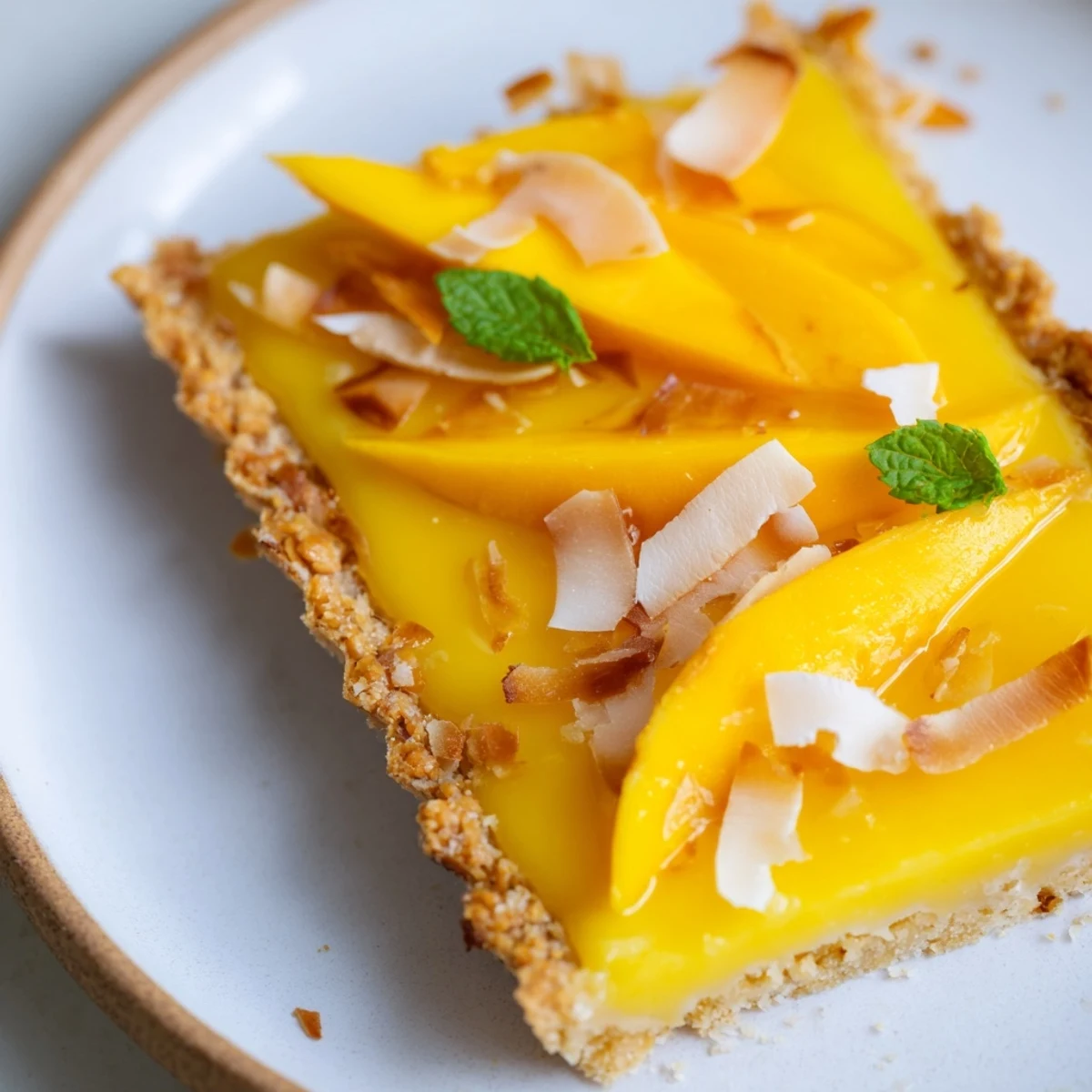
 There's something deeply satisfying about slicing into a perfectly set mango curd tart and seeing that clean edge of golden custard against the buttery crust. It's the kind of dessert that makes people pause their conversation and really pay attention to what they're eating.
Recipe Q&A
- → How long does mango curd tart need to chill before serving?
-
The assembled tart requires at least 1.5 hours in the refrigerator to set properly. For best results, chill for 2-3 hours before slicing. This ensures the curd firms to a sliceable consistency while maintaining its silky texture.
- → Can I use frozen mango for the curd?
-
Frozen mango works perfectly for the puree. Thaw completely and blend until smooth before straining. Canned mango puree is another convenient option that yields consistent results year-round when fresh mangoes aren't in season.
- → How do I know when the mango curd is thick enough?
-
The curd is ready when it coats the back of a wooden spoon and leaves a clear trail when you run your finger through it. This typically takes about 10 minutes of constant stirring over medium-low heat. Don't rush this step—proper thickening ensures the tart sets correctly.
- → Can I make this tart ahead of time?
-
Absolutely. The tart shell dough can be refrigerated for up to 2 days or frozen for longer storage. The finished tart keeps beautifully in the refrigerator for up to 2 days. Add fresh decorations like mango slices and mint shortly before serving for the best presentation.
- → What can I use instead of baking weights?
-
Dried beans, rice, or even pennies work perfectly as pie weights. Line the crust with parchment paper first to create a barrier. These weights prevent the pastry from puffing up or shrinking during the initial blind baking phase, ensuring you have room for the curd filling.
- → Why does my curd look curdled during cooking?
-
Curdled appearance during cooking is normal and will disappear once the butter is added and the mixture is strained. The key is constant gentle heat and continuous stirring. If you're concerned about texture, always pass the finished curd through a fine mesh sieve for that silky, professional finish.