
 Pin It
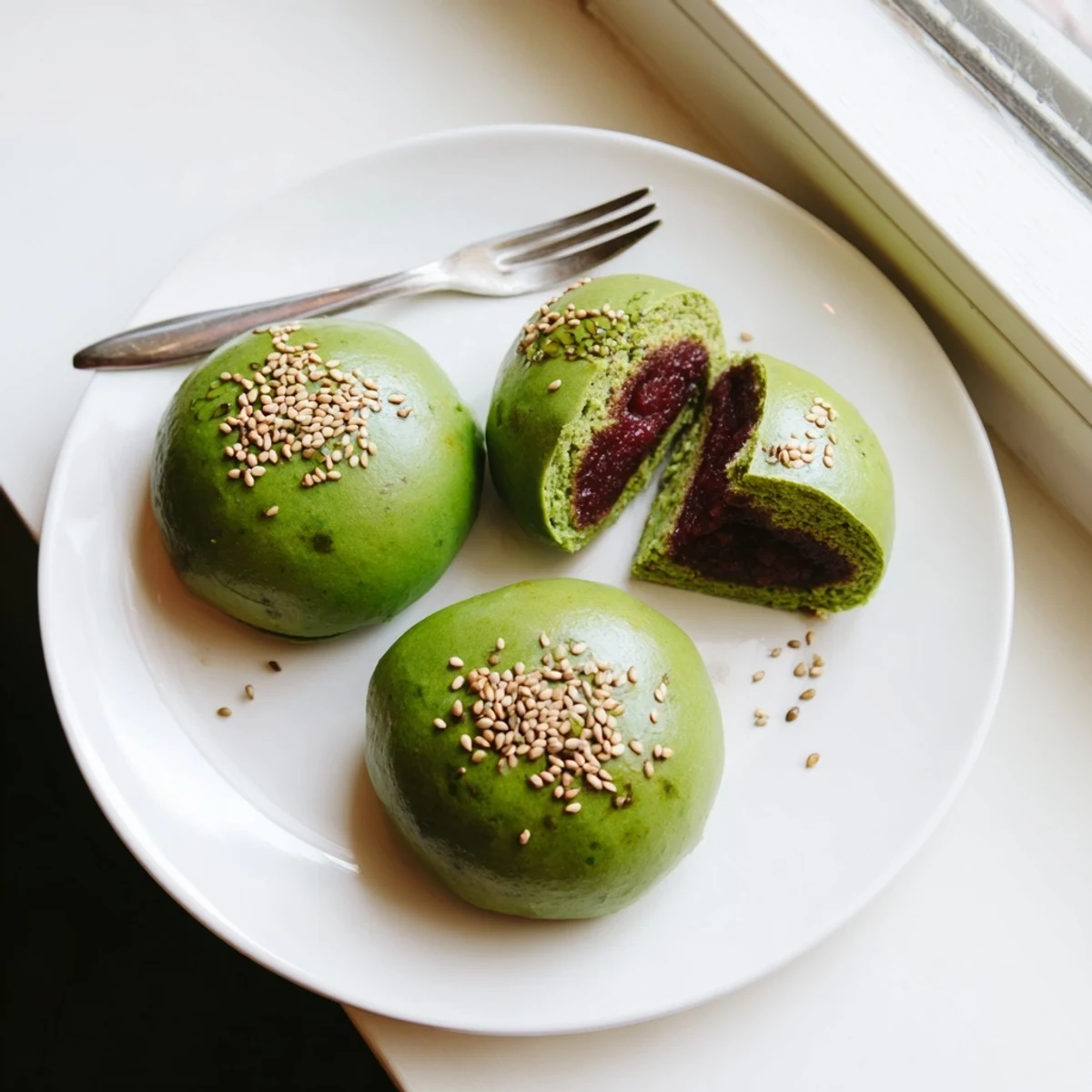
 Create irresistibly soft, pillowy buns featuring the earthy elegance of premium matcha green tea. Each handmade bun encases a generous center of sweet, smooth red bean paste, balancing bitter tea notes with comforting sweetness. The dough achieves remarkable tenderness through proper kneading and two-stage rising, while an egg wash creates a beautifully golden, glossy finish.
These Japanese-inspired treats work wonderfully for weekend breakfast, afternoon tea service, or portable snacking. The green tea infusion gives them their signature pale jade color and subtle grassy undertones that pair harmoniously with the traditional anko filling.
My tiny Tokyo apartment smelled like grass and comfort the first time matcha buns came out of my oven. I had been experimenting with combining traditional Japanese flavors in bread form for weeks, and that day something finally clicked. The vibrant green dough speckled with white flour looked like spring itself. When I bit into that first warm bun, earthy matcha giving way to sweet red bean paste, I knew I had found something special.
Last winter my neighbor knocked on my door during the second rise, wondering what smelled so wonderful. I ended up giving her a fresh bun still warm from the oven, and she texted me three days later asking for the recipe. Now we make them together whenever we need a cozy afternoon project.
Ingredients
- Bread flour: The higher protein content creates structure while keeping these buns incredibly tender
- Matcha powder: Use culinary grade rather than ceremonial for baking—it still provides beautiful color and flavor without the premium price tag
- Instant yeast: No proofing needed, just mix it directly into your dry ingredients
- Whole milk: Creates richness and helps the matcha color stay vibrant instead of dulling
- Unsalted butter: Softened butter incorporates more evenly into dough than melted, giving consistent softness throughout
- Sweetened red bean paste: Also called anko, you can make your own or buy it canned at Asian markets
Instructions
- Mix the dry foundation:
- Whisk together bread flour, matcha powder, sugar, instant yeast, and salt until everything is evenly distributed. The matcha will create beautiful green flecks throughout the white flour.
- Bring the dough together:
- Pour in lukewarm milk and crack in your room temperature egg. Mix with a wooden spoon until you have a shaggy, rough-looking dough that holds together when pressed.
- Knead in the butter:
- Add softened butter piece by piece, kneading until each bit disappears. Continue kneading for about 10 minutes by hand until the dough becomes smooth, elastic, and slightly tacky but not sticking to your hands.
- First rise:
- Shape your dough into a neat ball and place it in a greased bowl. Cover with plastic wrap or a damp towel and let it rest in a warm spot until doubled in size, approximately 1 hour.
- Portion and fill:
- Punch down the risen dough gently and divide it into 12 equal pieces. Roll each into a smooth ball, then flatten into discs. Place a generous tablespoon of red bean paste in the center of each disc and gather the edges upward, pinching tightly to seal the filling inside.
- Second rise:
- Arrange your filled buns seam side down on a parchment-lined baking sheet, leaving space between them for expansion. Cover loosely and let rise until puffy and noticeably larger, about 40 minutes.
- Bake to perfection:
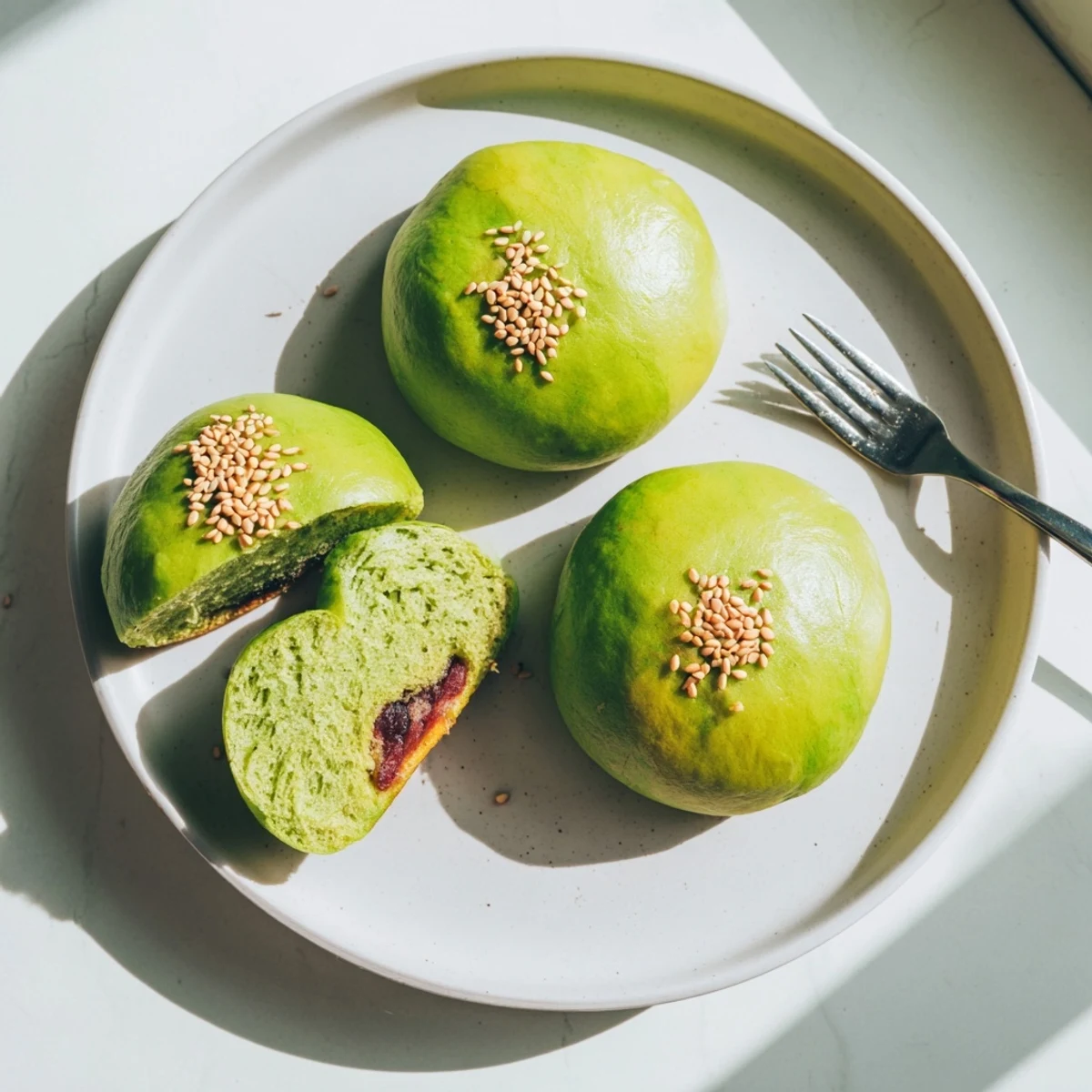
- Preheat your oven to 350°F (175°C). Whisk the egg yolk with a tablespoon of milk and brush the tops of each bun gently. Sprinkle with sesame seeds if you like that extra crunch. Bake for 18 to 20 minutes until the tops are lightly golden and the bottoms sound hollow when tapped.
 Pin It
 My sister called me from college once, homesick and craving comfort food. I talked her through the recipe over the phone, and when she sent photos of her slightly lopsided but perfectly golden buns, I felt like I had given her a hug across three states.
Making Them Extra Soft
One rainy Sunday I replaced half the milk with heavy cream just to see what would happen. Those buns stayed soft for three days instead of the usual two, and my husband kept taking them to work instead of his usual breakfast.
Flavor Variations
Hojicha powder creates this wonderfully roasted, nutty flavor that pairs unexpectedly well with the sweet red bean. The deep amber color of the dough makes for beautiful photographs too.
Storage and Freshness
I learned the hard way that these taste best the same day they are baked. The texture becomes more bread like and less pillowy after sitting, though a quick 15 second zap in the microwave brings back some of that just baked magic.
- Store completely cooled buns in an airtight container at room temperature
- Freeze unfilled dough balls after the first rise for future convenience
- Never refrigerate fresh bread or it will stale much faster
 Pin It
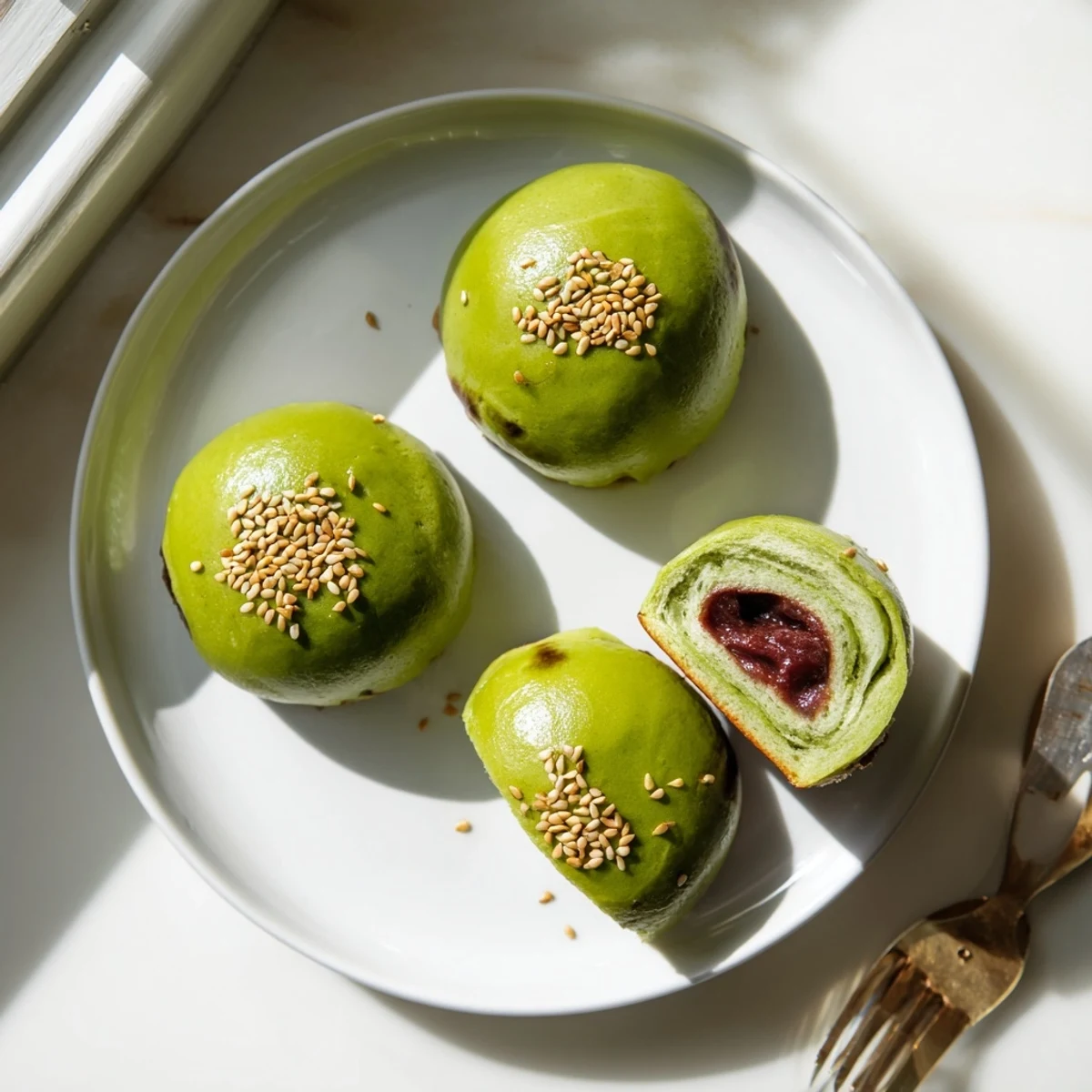
 There is something deeply satisfying about filling your kitchen with the smell of matcha and sweet beans. These buns have become my go to gift for new neighbors and comfort for friends who need a little extra care.
Recipe Q&A
- → What makes these buns so soft and fluffy?
-
The combination of bread flour, proper kneading to develop gluten, enriched dough with butter and egg, along with two rising periods creates exceptional softness. The fat content from butter and whole milk contributes to the tender, pillowy texture.
- → Can I prepare the dough ahead of time?
-
Yes, after the first rise, punch down the dough and refrigerate overnight in a covered bowl. Let it come to room temperature for about 30 minutes before shaping and filling. The cold fermentation actually enhances flavor development.
- → Where can I find red bean paste?
-
Sweetened red bean paste (anko) is available in Asian grocery stores, international markets, or the international aisle of well-stocked supermarkets. You can also make it from scratch using adzuki beans, sugar, and a pinch of salt.
- → Why is my matcha dough bitter?
-
Matcha quality varies significantly. Culinary-grade matcha works well for baking, but lower grades can taste unpleasantly bitter. Also, using too much powder relative to sugar can create imbalance. The recipe proportions have been tested for optimal flavor balance.
- → How do I prevent the filling from leaking during baking?
-
Ensure you seal the dough tightly around the filling by pinching the edges thoroughly. Place buns seam-side down on the baking sheet. Don't overfill—about one tablespoon of paste per bun is ideal. Avoid letting them over-rise before baking, which can thin the dough.
- → Can I freeze these buns?
-
Yes, freeze cooled buns in an airtight container or freezer bag for up to 3 months. Thaw at room temperature, then refresh in a 300°F oven for 5-8 minutes to restore softness. You can also freeze unbaked buns after shaping; let them thaw and rise before baking.