
 Pin It
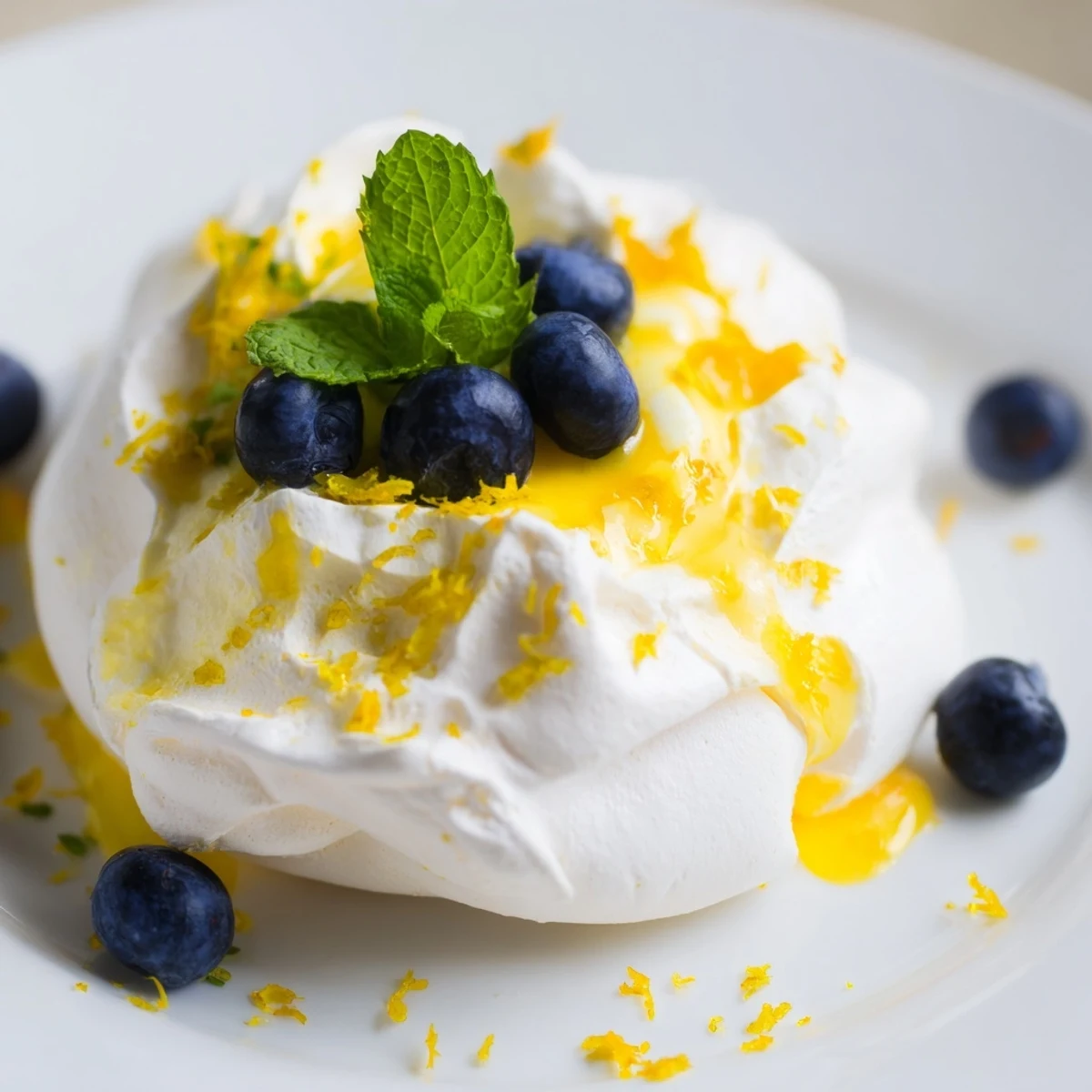
 These delicate meringue shells offer a perfect contrast of textures—crisp and airy on the outside, soft inside, filled with a silky citrus curd that balances tangy lemon and sweet orange notes. The preparation requires patience for baking at low temperature, ensuring that signature crunch. Meanwhile, the curd comes together over gentle heat, whisking until thickened and glossy. Garnish with fresh berries or mint for a stunning presentation.
The first time I attempted meringues, my kitchen humidity was absolutely wrong and I ended up with sticky, sad little clouds that refused to crisp up. My grandmother laughed when I told her about my failure and explained that meringues are basically just patience suspended in egg whites. Now I wait for dry winter days to make these, and when they work, they are like biting into sweet, airy nothingness.
I served these at a spring dinner party last year and watched my friend Sarah close her eyes after the first bite, completely silent for what felt like a full minute. She later told me the lemon curd reminded her of summers at her grandmothers farmhouse in Provence. Sometimes food is just food, and sometimes it is a time machine dressed up as dessert.
Ingredients
- 4 large egg whites: Room temperature egg whites whip up better and hold their structure longer than cold ones
- 1 cup superfine sugar: The finer crystals dissolve completely into the whites, preventing that dreaded grainy texture
- 1/2 teaspoon cream of tartar: This is your insurance policy against deflation, stabilizing the egg white proteins
- 1/2 teaspoon vanilla extract: Pure vanilla adds a warm, floral note that balances the sharp citrus
- Pinch of salt: Just enough to strengthen the protein structure without making things taste salty
- 3 large egg yolks: Save these from your meringue making or separate extra eggs specifically
- 2/3 cup granulated sugar: Regular sugar works perfectly here since it will fully dissolve during cooking
- 1/4 cup fresh lemon juice: Fresh is absolutely necessary, bottled juice has an odd metallic aftertaste
- 2 tablespoons fresh orange juice: Softens the lemon's aggressive acidity and adds complexity
- 1 tablespoon each lemon and orange zest: The oils in the zest carry the brightest citrus flavor
- 4 tablespoons unsalted butter: Cold, cubed butter whisked in at the end creates that silky, luxurious texture
Instructions
- Prep your oven and pans:
- Preheat to 225°F and line two baking sheets with parchment paper, tracing eight circles as guides if you want uniform meringues
- Start the egg whites:
- In a completely clean and dry bowl, beat egg whites with salt until foamy, then add cream of tartar
- Add sugar gradually:
- With mixer on high, add superfine sugar one tablespoon at a time, waiting about 15 seconds between additions
- Check your peaks:
- Continue beating until whites are glossy and hold stiff peaks that stand straight up when you lift the beaters, then fold in vanilla
- Shape the meringues:
- Spoon or pipe eight mounds onto prepared sheets, using the back of a spoon to create a shallow well in each center
- Low and slow baking:
- Bake for 1 hour 15 minutes until the meringues sound hollow when tapped, then turn off the oven and let them cool completely inside
- Start the curd base:
- Whisk together egg yolks, sugar, both juices, and both zests in a heatproof bowl until smooth
- Cook over gentle heat:
- Set the bowl over simmering water, stirring constantly with a heatproof spatula until thickened, about 8 to 10 minutes
- Finish with butter:
- Remove from heat and whisk in butter cubes one at a time until completely melted and the curd looks glossy
- Cool and assemble:
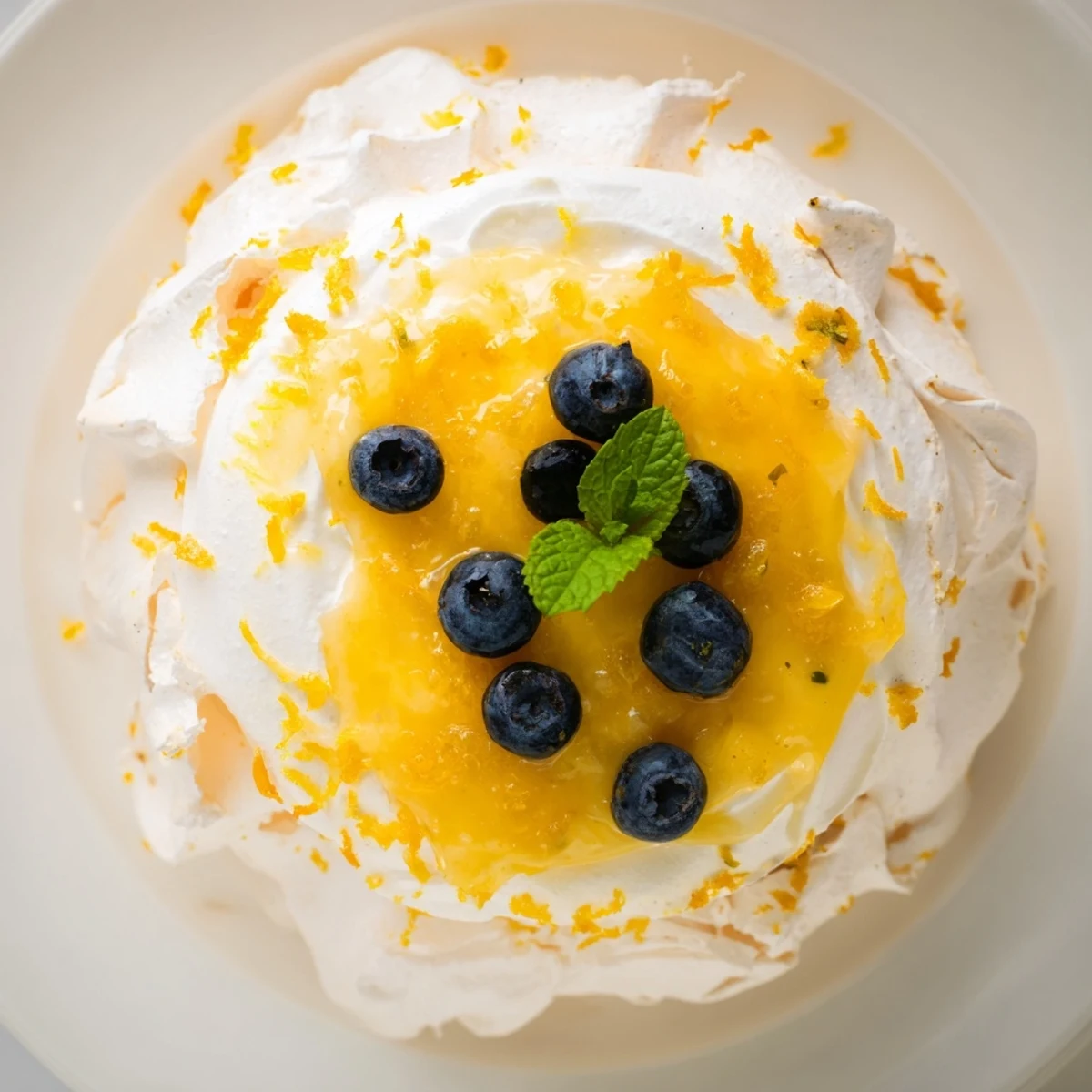
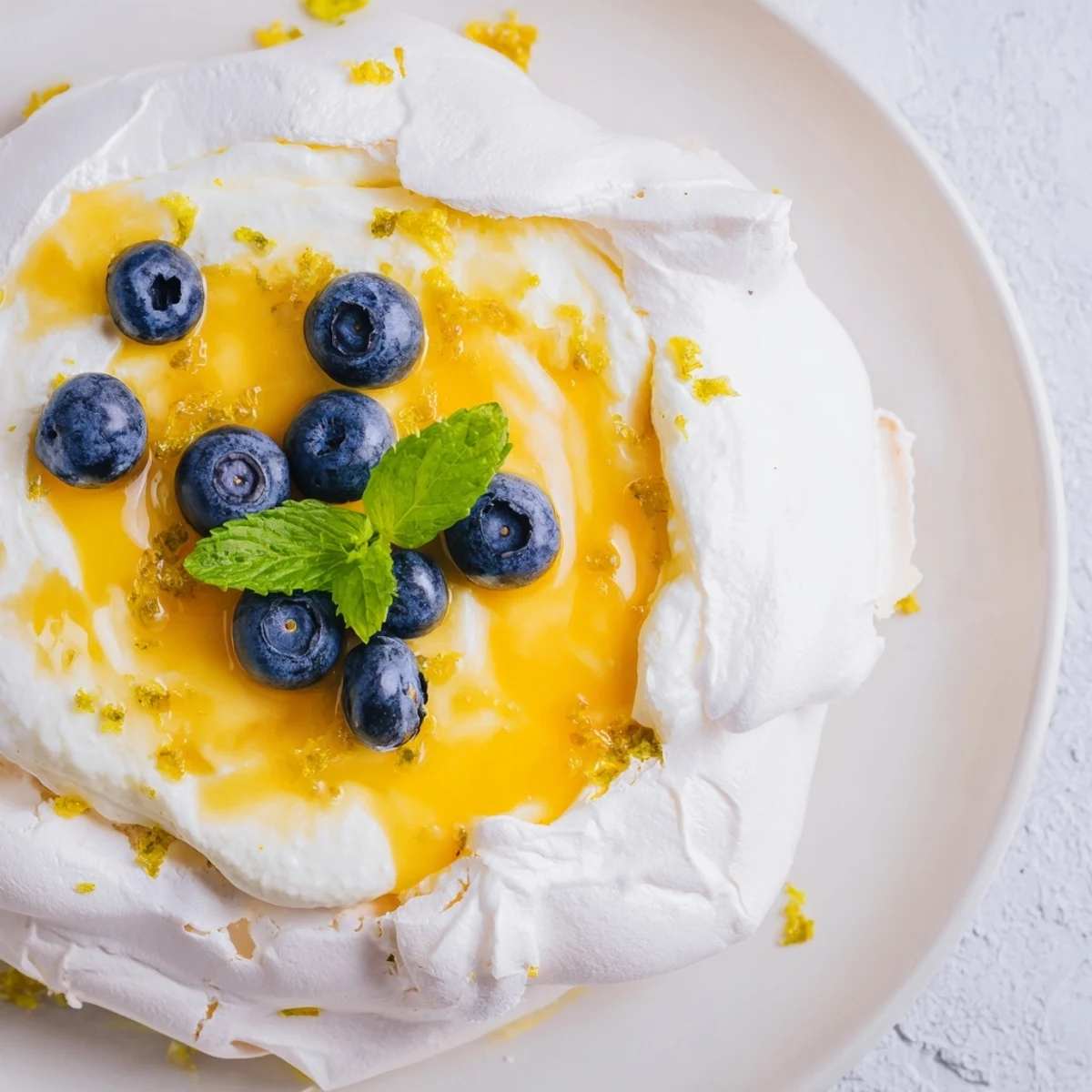
- Let curd reach room temperature, spoon into meringue centers, and add any garnishes you like
 Pin It
 My daughter helped me make these last weekend and kept sneaking tastes of the curd until I caught her licking the spoon clean. She declared this the best dessert she has ever helped create, which is high praise from an eight year old who usually only wants chocolate brownies.
Making Meringues Work
Humidity is the enemy of meringues, so choose a dry day for best results. A rainy day can leave you with weepy meringues that never quite achieve that perfect crisp exterior and marshmallow interior. If you live somewhere humid, run a dehumidifier in the kitchen while you work.
Getting The Curd Right
The double boiler method might seem fussy, but it prevents scrambling the yolks while the curd thickens. Stir constantly and pay attention to the texture rather than the time. You want it to coat the back of a wooden spoon and leave a clear path when you run your finger through it.
Serving Suggestions
These meringues are best served the same day you fill them, though the unfilled shells keep beautifully for days. The longer they sit filled, the more the curd softens the meringue, which some people actually prefer.
- Try mixing lemon and lime instead of lemon and orange
- Add a drop of food gel to the curd for a pastel effect
- Top with a small dollop of whipped cream for extra richness
 Pin It
 Watch your guests faces when they bite into that first crisp shell and hit the tangy curd. That moment of surprise is exactly why I keep making these year after year.
Recipe Q&A
- → Can I make the meringues ahead of time?
-
Yes, bake and store in an airtight container for up to 3 days before filling with curd.
- → What's the best way to achieve stiff peaks?
-
Ensure bowl and beaters are completely clean, use room temperature egg whites, and add sugar gradually while beating on high speed.
- → Can I substitute the citrus juices?
-
Use all lemon for sharper tang, increase orange for milder flavor, or try grapefruit or lime for variation.
- → Why cool meringues in the oven?
-
Gradual cooling prevents cracking and helps maintain the crisp, dry texture throughout.
- → How do I know when the curd is thick enough?
-
The curd is ready when it coats the back of a spoon and leaves a clear trail when you run your finger through it.
- → Can I freeze the filled meringues?
-
Freezing isn't recommended as the curd texture may separate. Best enjoyed fresh or fill just before serving.