
 Pin It
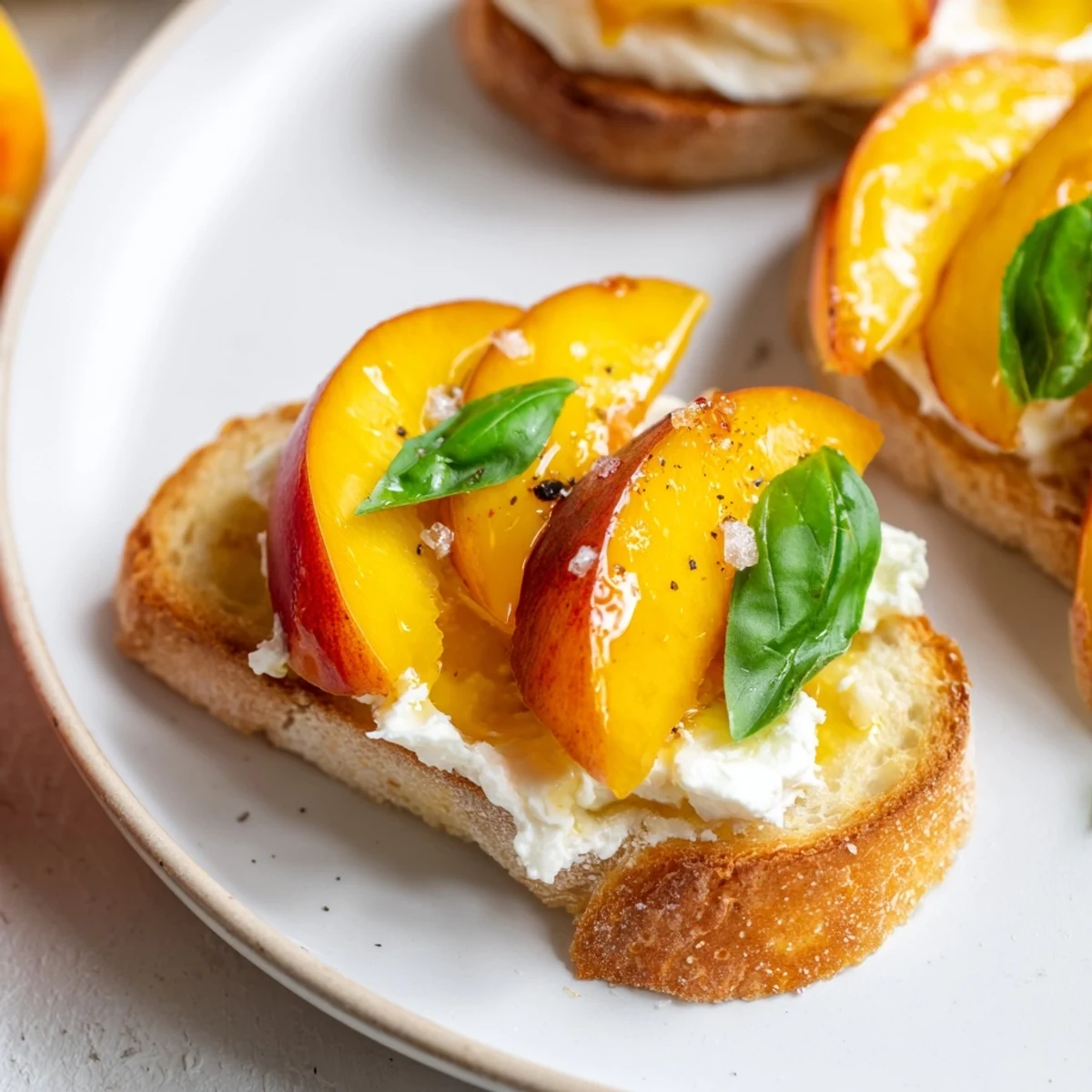
 This bright starter layers whipped ricotta—lightened with cream and lemon zest—on crisp toasted baguette, then crowns each slice with honey-tossed peach slices. Toast the bread until golden, whip the cheese until airy, and gently toss fruit to preserve texture. Serve immediately with torn basil, cracked pepper, and a drizzle of honey or balsamic glaze for contrast. Ready in 22 minutes.
The first time I heard peaches and ricotta could share a crunchy baguette, I dismissed it as one of those ‘chefy’ mashups I would admire from afar. Yet on a humid August afternoon, the scent of peaches from my neighbor’s market bag was too powerful to ignore. I ended up with a basket of my own—and not a clue what I'd do with them until a quick scan of the fridge revealed creamy ricotta just waiting for adventure. By the time I smeared, assembled, and tasted the first bite, all doubts had dissolved into sweet summery joy.
On our back patio last summer, these peach bruschetta bites turned our usual evening snack into something special—my friend Liz ended up texting for the 'exact method' before she left. I remember the sound of laughter mixing with the bright snap of fresh basil as we assembled platters for unexpected company. Watching everyone reach for seconds made every ounce of effort worthwhile. The biggest surprise: even the skeptics forgot they were ‘fruit-on-bread’ converts within minutes.
Ingredients
- Whole milk ricotta cheese: I use the creamiest version for maximum fluff when whipping; drain excess liquid if needed.
- Heavy cream: Just a splash gives body and lightness to the ricotta—skip this and the texture falls flat.
- Lemon zest: This brings zippy brightness and keeps the cheese from tasting too rich; zest only the yellow part.
- Sea salt: I always prefer flaky sea salt, but any good quality salt dials up the flavors.
- Baguette: Choose a firm crust—soft or pre-sliced loaves don’t toast as well or hold the toppings.
- Olive oil: Don’t be shy with brushing; a thin but thorough layer ensures golden crunch rather than chewy bread.
- Ripe peaches: Look for ones that yield gently to touch; undermature fruit just won’t deliver that juicy pop.
- Honey: Use something floral or local when you can, and give each slice just enough to glisten.
- Lemon juice: Prevents browning and gives a tangy lift that keeps the peaches from cloying.
- Fresh basil: Don’t skip the herbs—torn leaves add aroma and beautiful pops of green.
- Freshly cracked black pepper: I add a generous grind; it’s subtle but brings needed contrast.
- Flaky sea salt: A final dusting right before serving makes every element sing together.
Instructions
- Toast the baguette:
- Arrange slices on a baking sheet and brush all sides with olive oil, letting a light sheen form. Slide into a hot oven, and listen for the sharp crackle when you lift the golden pieces after 7 minutes.
- Whip the ricotta:
- Mix ricotta, cream, zest, and salt in a bowl—using a hand mixer makes it fluffy in no time, but a strong whisk works too. Scoop some up and check for soft, cloudlike peaks before stopping.
- Marinate peaches:
- Combine thin peach slices with honey and lemon juice, tossing gently so each piece shimmers. Pause to inhale—the aroma instantly perks up the kitchen.
- Assemble the bruschetta:
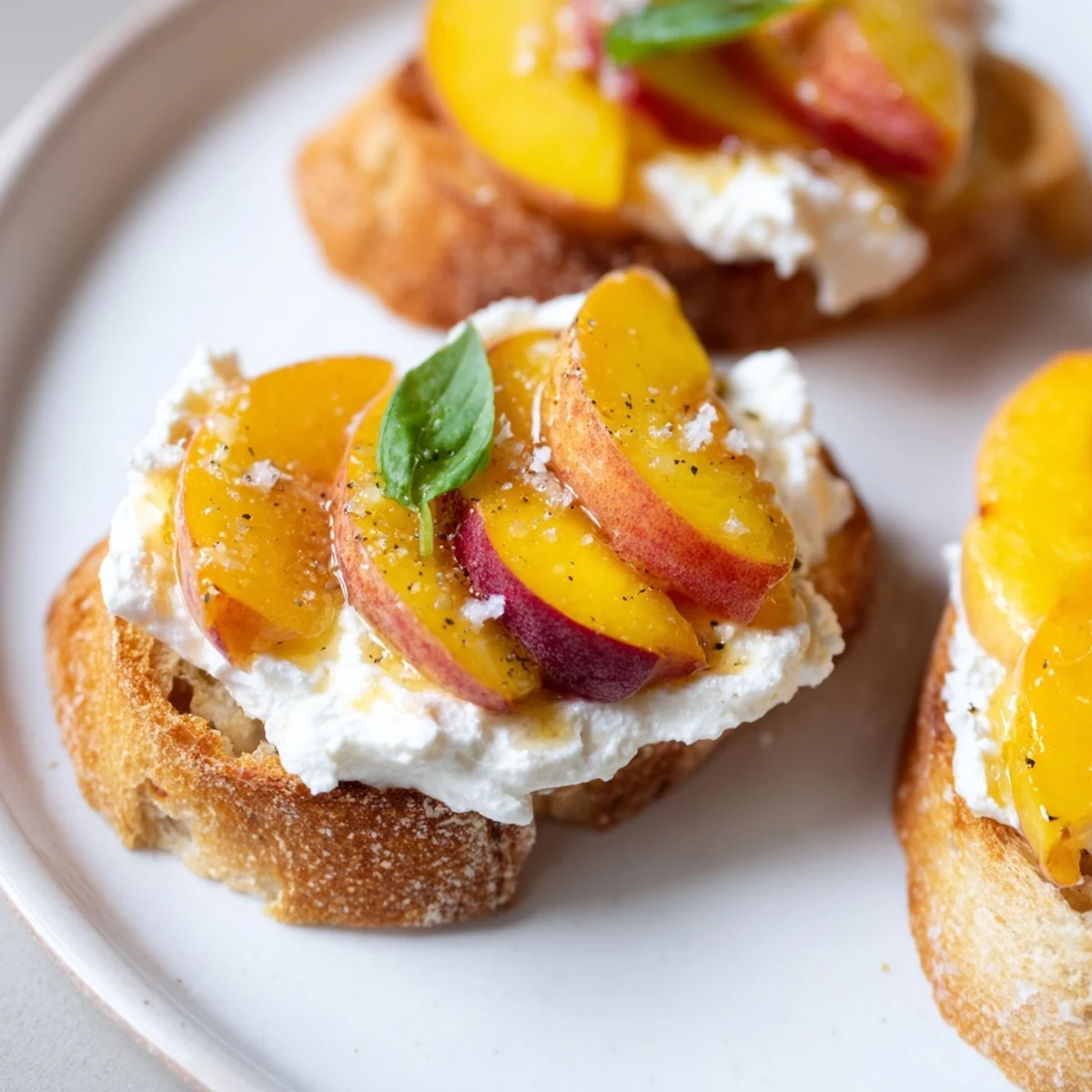
- Spread a thick dollop of whipped ricotta on each cooled toast. Layer on a couple of glistening peaches and let the juice run just to the edge.
- Finish and garnish:
- Drizzle with a bit more honey for shine. Top with torn basil, a whisper of black pepper, and crunchy sea salt, then serve quick before anyone can wander away.
 Pin It
 The night these landed on the table at a sticky summer potluck, all chatter paused after the first bite—someone even jokingly asked if I'd trained in Florence. Moments like these remind me how food can spark delight in a crowd.
How To Choose The Best Peaches
I now squeeze gently near the stem to test ripeness; the right ones feel like velvet and smell sweet, no matter what the produce signs say. If they’re too firm, let them sit in a sunny spot and watch as they ripen day by day.
Secrets To Whipped Ricotta
Room temperature cheese whips up faster and creamier, so I always let it sit out while prepping the bread. A hand mixer saves my arms, but if you use a whisk, just keep beating until smooth and airy.
The Finishing Touches That Matter
A finishing sprinkle of flaky salt seems tiny but makes every flavor pop—my guests always notice. Don’t overdo the honey drizzle at the end, or you’ll mask the peaches. And never skip fresh basil, as it effortlessly lifts the entire bite above ordinary.
- If using figs, slice them thinly and layer as you would peaches.
- You can char the bread on a grill for smoky depth.
- Serve these right away for the best textures and flavors.
 Pin It
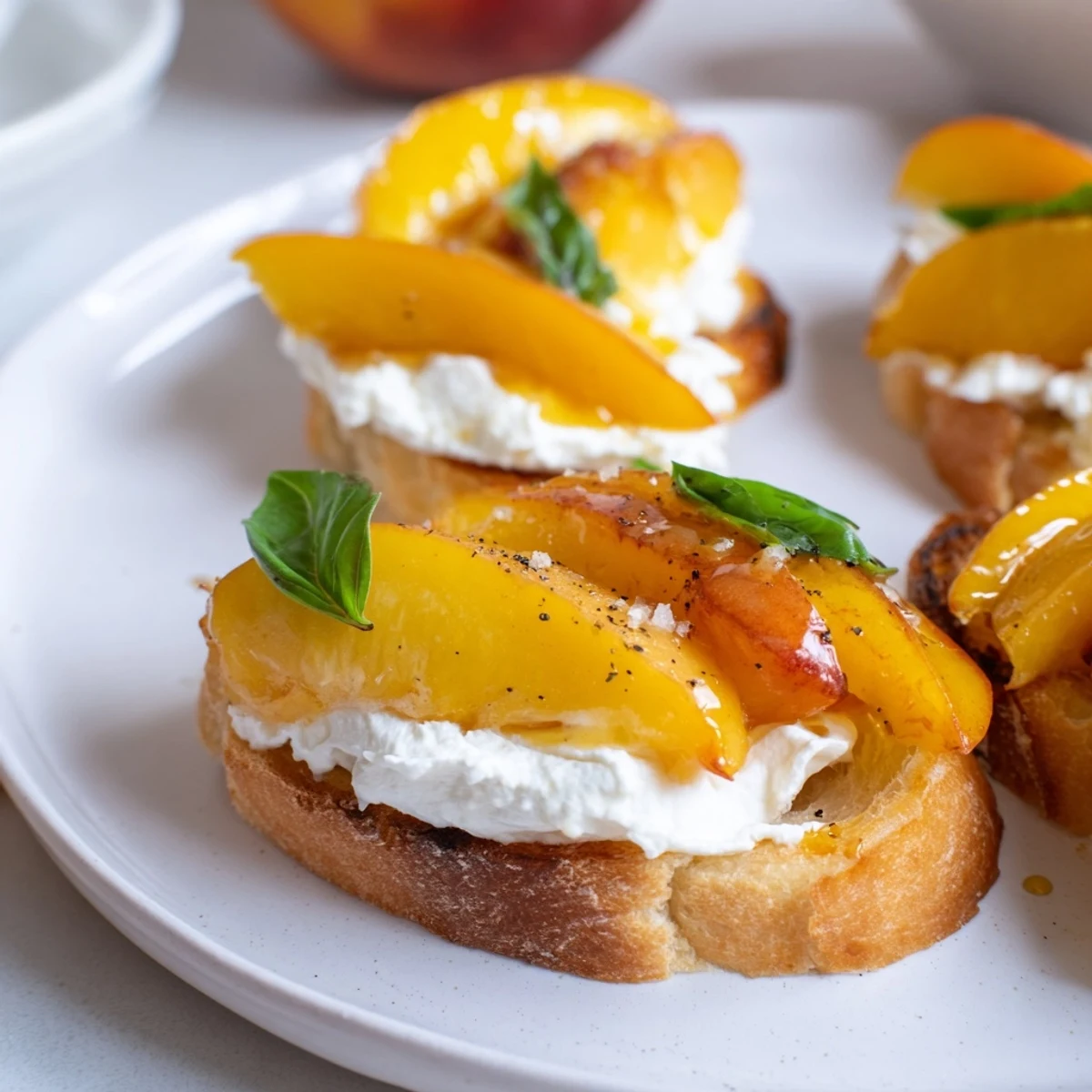
 No matter how many appetizers I make, these always disappear first—one bite, and you’ll understand why.
Recipe Q&A
- → How do I choose the best peaches?
-
Look for fragrant, slightly soft peaches with a bit of give at the stem; ripe fruit will be juicy but still firm enough to slice thinly without falling apart.
- → Can I swap the peaches for other fruit?
-
Yes—nectarines, figs, or thinly sliced pears work well. Choose fruits with a balance of sweetness and acidity so they pair nicely with whipped ricotta and honey.
- → How can I get a silky whipped ricotta?
-
Blend ricotta with a splash of cream and a touch of lemon zest; use a hand mixer or food processor and whip until light and smooth—about 1–2 minutes—for a creamy spreadable texture.
- → Is there a quicker way to toast the baguette?
-
Yes—brush slices with olive oil and broil for 1–2 minutes per side until golden, or grill briefly for a smoky char; watch closely to prevent burning.
- → How should I assemble to keep the bread crisp?
-
Toast the bread just before serving and spread the ricotta while slices are still slightly warm; add peaches last and serve immediately to avoid sogginess.
- → Any tips for balancing sweet and savory?
-
Toss peaches with a bit of lemon juice to lift sweetness, use a light drizzle of honey, and finish with flaky sea salt and cracked pepper to create contrast and depth.