
 Pin It
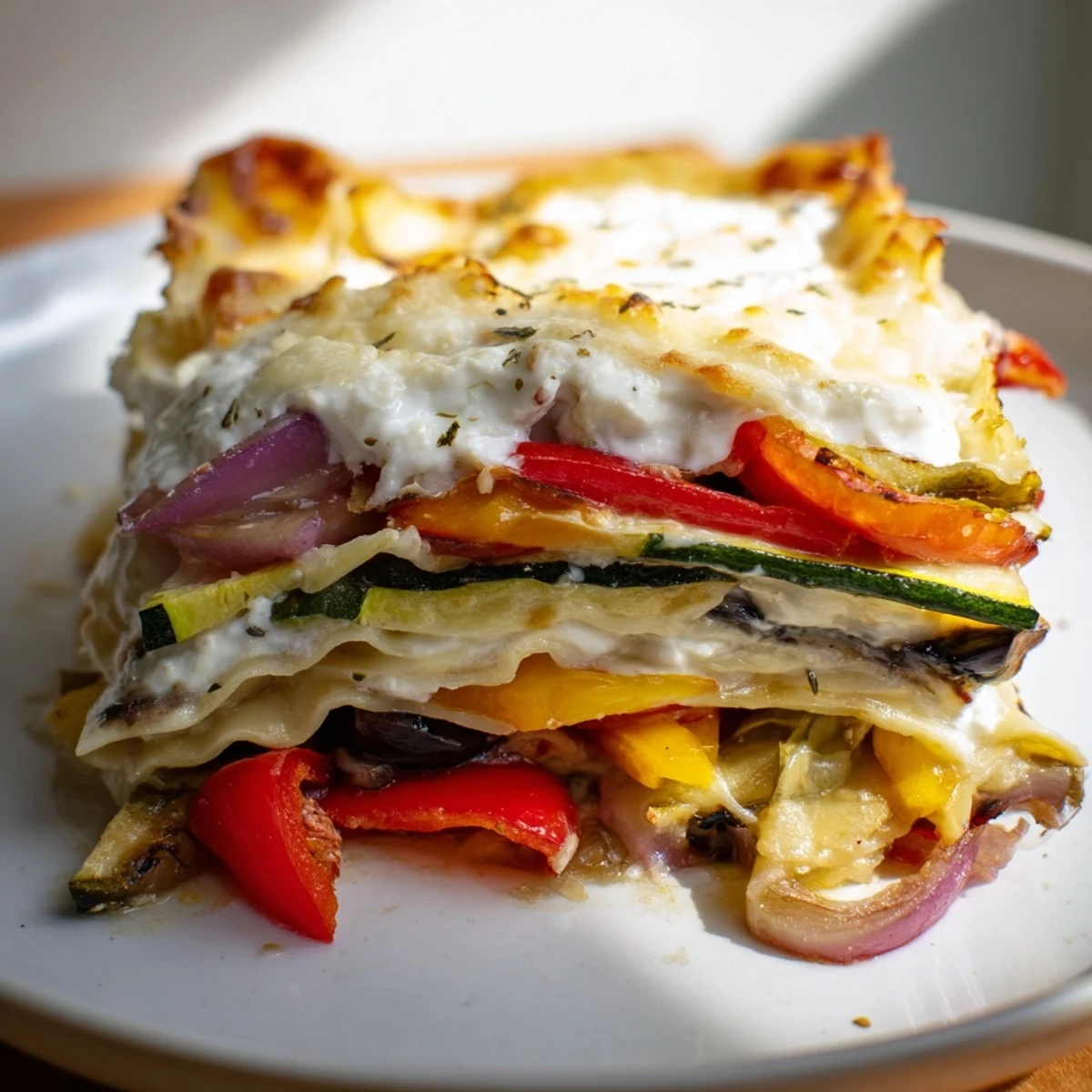
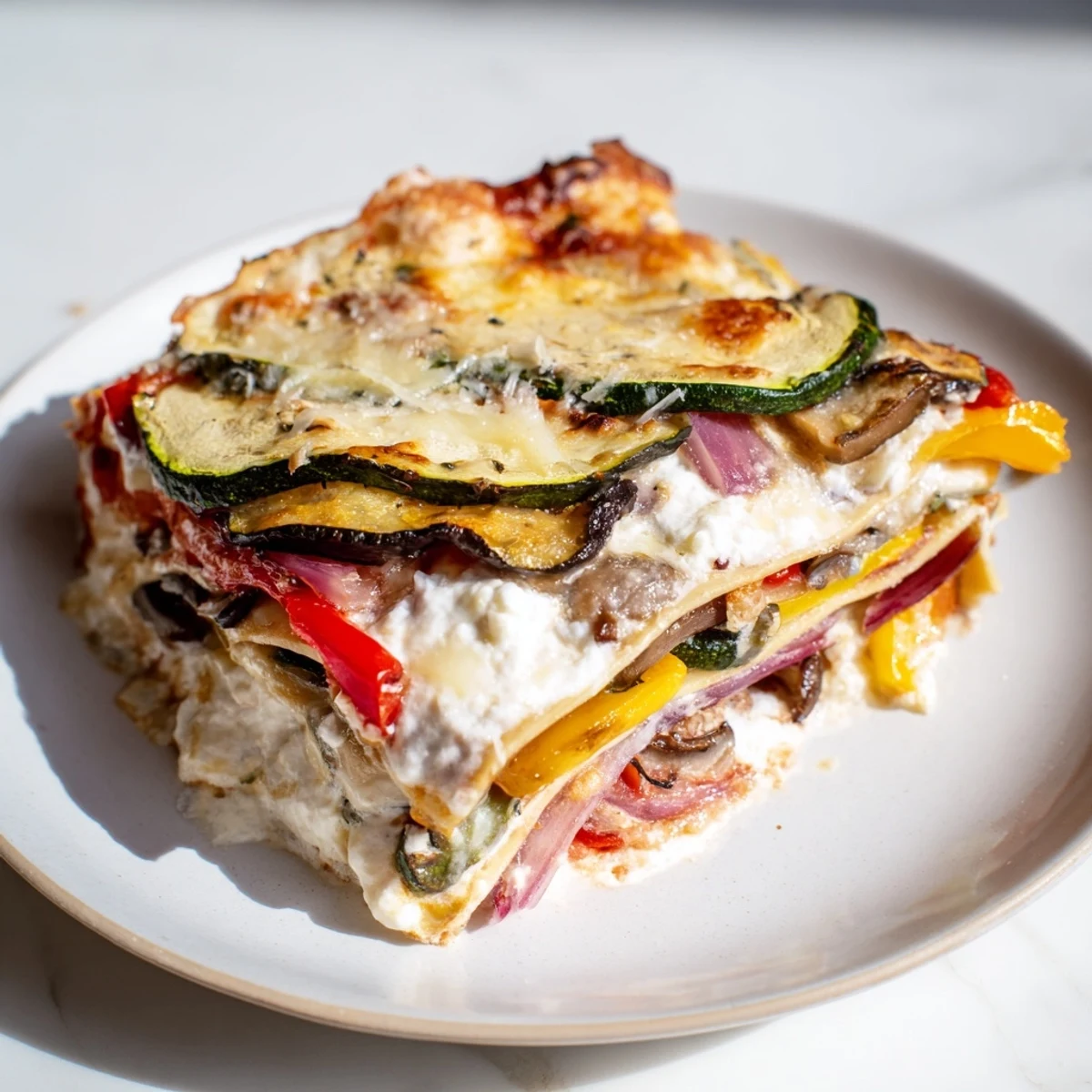
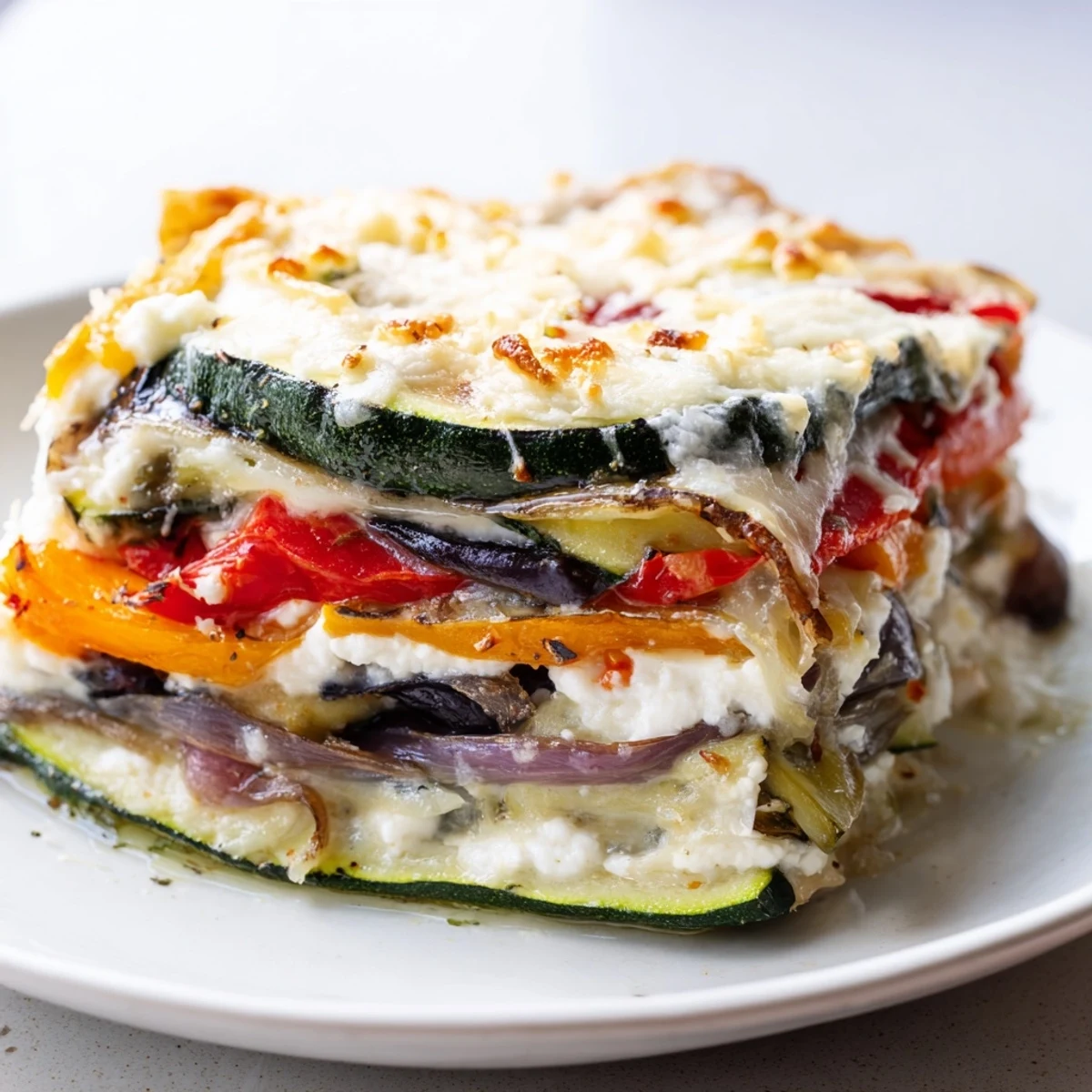
 This dish features tender roasted vegetables like zucchini, eggplant, and bell peppers layered with creamy béchamel sauce and rich cheeses. Oven-baked until golden and bubbling, it offers a comforting and flavorful meal perfect for gatherings. The béchamel adds a velvety texture that complements the caramelized vegetables and tender pasta sheets. Garnished with fresh basil, it adds a fresh herbal note to balance its rich layers.
The first time I made white sauce lasagna, I was terrified my béchamel would turn into lumpy wallpaper paste. Standing at the stove, whisking furiously, my grandmother's voice echoed in my head about the importance of hot milk and cold roux. When it finally transformed into that silky, creamy perfection, I may have done a little victory dance right there in my kitchen.
Last winter, when my sister came over after a particularly rough week at work, I made this lasagna without telling her what was in it. She took one bite, eyes closed, and said this was exactly what her soul needed. We sat at the kitchen table in our sweatpants, eating steaming squares and talking until the pan was nearly empty.
Ingredients
- 1 medium zucchini, sliced: I like to cut them about 1/4 inch thick so they roast evenly without becoming mushy
- 1 medium eggplant, diced: Salting the eggplant for 30 minutes before roasting removes bitterness, though honestly, I usually skip this step and it still turns out wonderful
- 1 red bell pepper and 1 yellow bell pepper, diced: The combination of red and yellow peppers gives the lasagna such gorgeous color and sweetness
- 1 small red onion, sliced: Red onion becomes almost candy-like when roasted, adding this subtle sweetness throughout the layers
- 2 tbsp olive oil: Really toss those vegetables well so every piece gets coated and roasts properly
- 1 tsp dried Italian herbs: I like to use a blend of oregano, basil, and thyme for that classic Italian flavor profile
- Salt and black pepper, to taste: Don't be shy here, the vegetables need proper seasoning before roasting
- 4 tbsp unsalted butter: This makes your béchamel foundation, and yes, you need real butter for that authentic flavor
- 1/4 cup all-purpose flour: Sifted flour helps prevent those annoying lumps that can ruin a perfectly good white sauce
- 3 cups whole milk, heated: Room temperature or slightly warm milk incorporates more smoothly into the roux
- 1/4 tsp ground nutmeg: This tiny pinch of nutmeg is the secret ingredient that makes béchamel taste like it came from an Italian grandmother's kitchen
- Salt and white pepper, to taste: White pepper keeps the sauce pristine white, though black pepper works fine if you don't mind the specks
- 9-12 oven-ready lasagna noodles: I prefer the no-boil kind because they absorb extra moisture from the vegetables and sauce
- 1 1/2 cups ricotta cheese: Room temperature ricotta spreads easier between layers without tearing the noodles
- 1 1/2 cups shredded mozzarella cheese: Freshly shredded melts better than pre-shredded cheese that's coated in anti-caking agents
- 1/2 cup grated Parmesan cheese: The sharp, salty flavor of Parmesan cuts through all that creamy richness
- 2 tbsp chopped fresh basil, optional: If you can get your hands on fresh basil, it adds such a wonderful aromatic finish
Instructions
- Roast the vegetables until they're tender and golden:
- Toss all those colorful vegetables with olive oil, herbs, salt, and pepper until they're evenly coated. Spread them on a parchment-lined baking sheet, giving them room to breathe rather than piling them on top of each other. Roast at 425°F for 20-25 minutes, stirring halfway through, until you see those beautiful caramelized edges. Reduce the oven temperature to 375°F when the vegetables come out.
- Make your béchamel sauce:
- Melt the butter over medium heat, whisk in the flour, and let it cook for just a minute or two until it smells like fresh bread. Slowly whisk in that warmed milk, about a cup at a time, stirring constantly to avoid any lumps. Add the nutmeg, salt, and white pepper, then let it simmer for 5-7 minutes, still stirring, until it coats the back of your spoon.
- Build those beautiful layers:
- Start with a thin layer of béchamel on the bottom of your baking dish to prevent the noodles from sticking. Add a layer of noodles, followed by half your roasted vegetables, dollops of ricotta, more béchamel, and a sprinkle of mozzarella. Repeat those layers once more, then finish with a final layer of noodles, plenty of béchamel, and all that remaining mozzarella and Parmesan on top.
- Bake until golden and bubbling:
- Cover the dish with foil and bake at 375°F for 30 minutes to let everything meld together. Remove the foil and continue baking for another 15-20 minutes until the top is golden brown and the sauce is bubbling around the edges in the most tempting way.
- Let it rest before serving:
- This might be the hardest step, but let your lasagna rest for 10-15 minutes before cutting into it. Those precious minutes of patience give the sauce time to set so you can get those perfect, tidy slices instead of a delicious but messy slide onto the plate.
 Pin It
 My friend Sarah texted me the morning after I brought this to her potluck dinner, asking if I had made a batch just for her to take home. She said her husband, who claims to hate eggplant, went back for thirds and is now requesting this for his birthday dinner. Sometimes the best recipes are the ones that change minds and create new family favorites.
Make It Your Own
I've learned that this lasagna recipe is incredibly forgiving and adaptable. Sometimes I'll add sautéed mushrooms to the roasted vegetables for extra depth, or throw in a handful of fresh spinach that wilts beautifully between the layers. The basic formula stays the same, but you can customize the vegetables based on what's in season or what your family enjoys most.
Timing Is Everything
After making this recipe more times than I can count, I've realized that preparing the roasted vegetables the day before is my secret weapon. The vegetables actually develop more flavor overnight, and assembling the lasagna becomes so much faster. On baking day, I just make the béchamel fresh, layer everything, and pop it in the oven with minimal stress.
Serving Suggestions
This lasagna is rich enough to stand on its own, but a crisp green salad with a bright vinaigrette helps cut through all that creamy goodness. I like to serve it with some crusty garlic bread to soak up any extra sauce on the plate. A light, crisp white wine like Pinot Grigio balances the richness perfectly.
- The leftovers freeze beautifully for up to three months, if they last that long
- Individual portions reheat beautifully in the microwave for office lunches
- Consider making two lasagnas at once and freezing one for those busy weeknight emergencies
 Pin It
 There's something deeply satisfying about pulling a bubbling, golden lasagna out of the oven, especially one that's packed with so many wholesome vegetables. This dish has become my go-to for bringing comfort to the people I love, and I hope it finds a special place in your kitchen too.
Recipe Q&A
- → What vegetables are ideal for roasting in this dish?
-
Zucchini, eggplant, red and yellow bell peppers, and red onion are roasted to bring out a sweet, caramelized flavor that enhances the dish.
- → How is the white sauce prepared?
-
The sauce is a classic béchamel made by whisking flour into melted butter, then slowly adding heated milk and seasoning with nutmeg, salt, and white pepper until thickened.
- → Can I customize the vegetable layers?
-
Yes, spinach or mushrooms can be added to the roasted vegetables for extra texture and flavor variety.
- → What is the best way to assemble the layers?
-
Start with a thin layer of béchamel on the dish bottom, followed by noodles, roasted vegetables, dollops of ricotta, more béchamel, and mozzarella. Repeat and finish with cheeses on top.
- → How long should I let it rest before serving?
-
Allow the dish to rest for 10-15 minutes after baking to let the layers set, making it easier to slice and serve.