
 Pin It
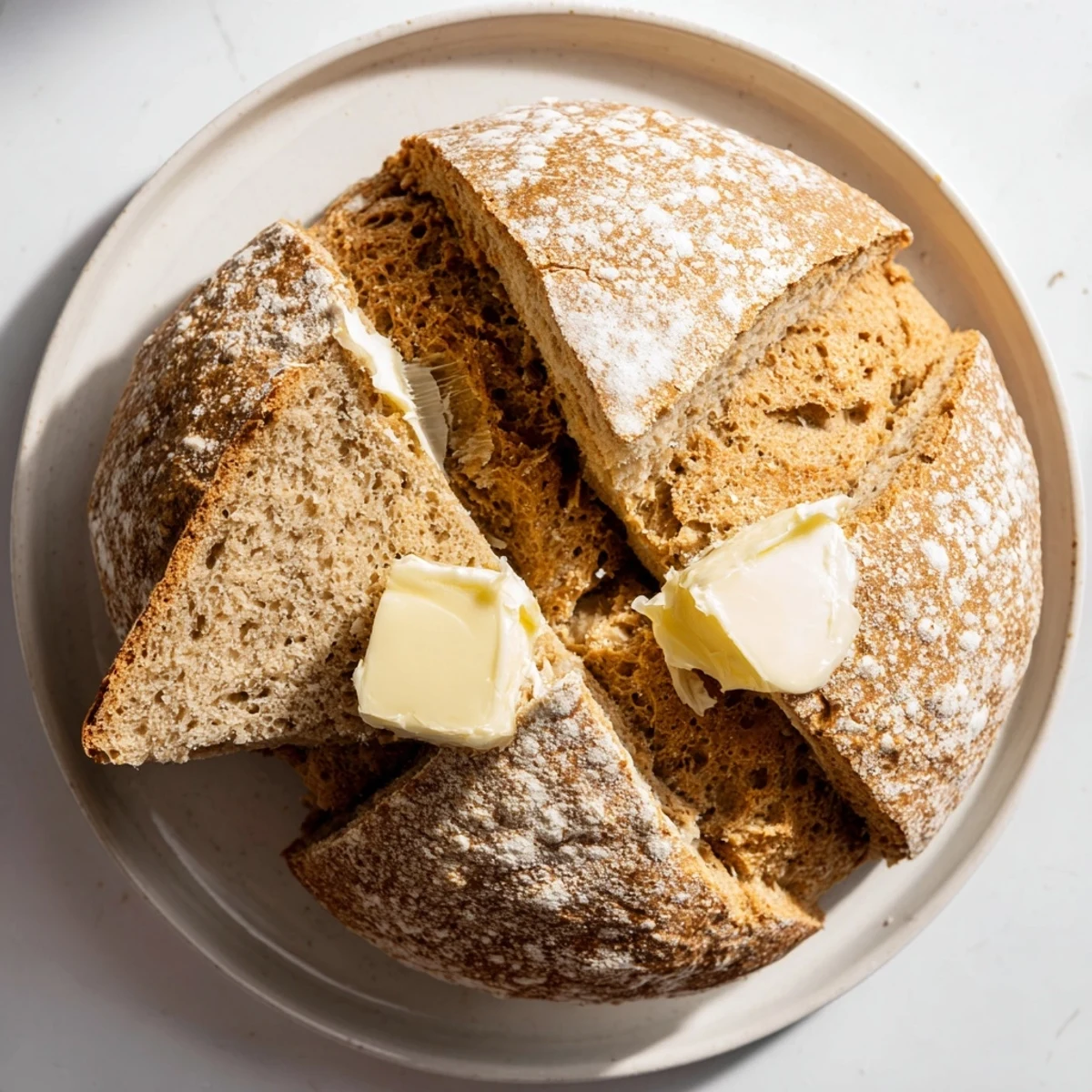
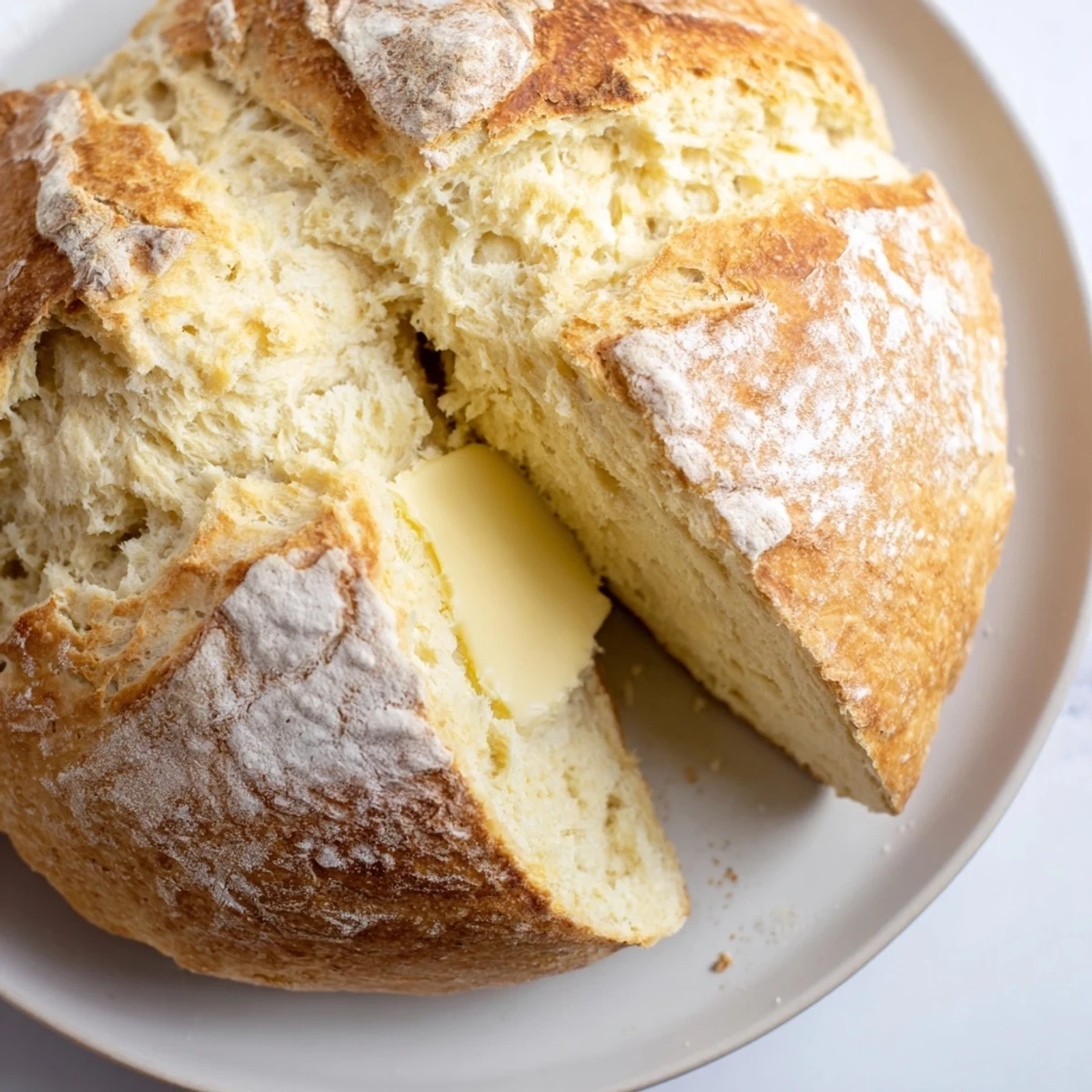
 This traditional Irish soda bread offers an effortlessly tender crumb with a crisp, golden crust. Made using simple dry and wet ingredients like all-purpose flour, baking soda, salt, and buttermilk, it comes together quickly without yeast or long rises. Once baked, the loaf is cooled and sliced to reveal a rustic texture, perfect for serving warm with a generous spread of silky Irish butter. Variations can include added raisins or use of whole wheat flour for added depth, making it a versatile bread ideal for soups, stews, or breakfast fare.
Theres something almost magical about a bread that requires no rising, no kneading marathon, and no special equipment beyond a bowl and willing hands. My first attempt at soda bread came during a snowstorm when the craving for warm bread collided with an empty pantry and zero patience for yeast. Since that cozy afternoon, this rustic loaf has become my go-to comfort food, ready in under an hour from start to finish.
Last winter, I served this fresh from the oven at a dinner party where everyone reached across the table for seconds, forgetting all about the main course. Theres no pretense here, just honest bread that demands to be slathered with the best butter you can find and eaten while still warm enough to melt it into every crevice.
Ingredients
- All-purpose flour: The structure builder, though Ive found that dipping into whole wheat for half the amount adds lovely depth
- Baking soda: Works with the buttermilk to create the rise, so make sure its fresh
- Fine sea salt: Enhances the mild flavor, dont skip it even if you usually reduce salt in recipes
- Buttermilk: The essential acid that activates the baking soda and creates that signature tang
- Irish butter: Because this bread deserves to be served with something exceptional
Instructions
- Get your oven ready:
- Preheat to 425°F and line a baking sheet with parchment paper while you work, trust me youll want everything ready before your hands get doughy
- Whisk the dry ingredients:
- Combine the flour, baking soda, and salt in a large bowl, making sure the baking soda is evenly distributed throughout
- Make a well:
- Create a deep hollow in the center of the flour mixture and pour in all the buttermilk at once
- Bring it together:
- Use your hand or a wooden spoon to mix gently until the flour is just moistened and you have a shaggy, slightly sticky dough
- Shape quickly:
- Turn onto a floured surface and shape into a round about 2 inches thick, handling it as little as possible
- Score the cross:
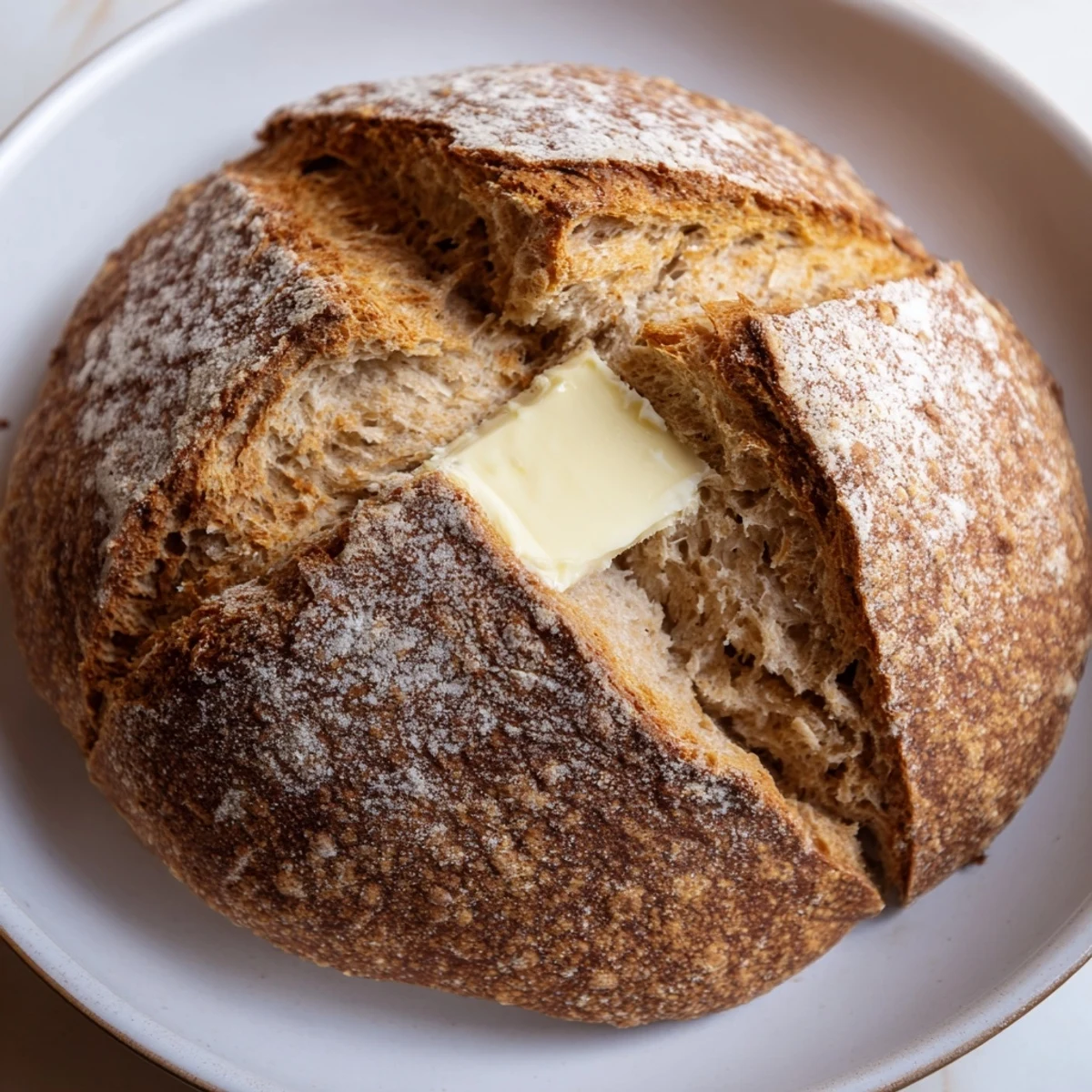
- Cut a deep cross into the top, about half an inch deep, which helps the bread bake through properly
- Bake until golden:
- Pop it in the hot oven for 35 to 40 minutes until beautifully browned and hollow sounding when tapped
- Wait if you can:
- Cool on a wire rack for 30 minutes minimum, though tearing into it while still warm is absolutely acceptable
 Pin It
 This bread became a staple in my kitchen after I served it alongside a hearty beef stew on a rainy Sunday. My friend who never eats bread had three slices, still warm, with butter dripping down her fingers, and I knew this recipe was a permanent resident.
Making It Your Own
Ive discovered that adding raisins or currants transforms this into a slightly sweet bread perfect for breakfast, while a handful of rosemary or caraway seeds makes it ideal for pairing with dinner. The variations are endless once you understand the basic ratio.
The Buttermilk Secret
Fresh buttermilk makes a noticeable difference, and I keep a carton specifically for bread making. If you dont have any, regular milk mixed with a tablespoon of lemon juice and left to sit for ten minutes works in a pinch.
Serving Suggestions
This bread shines alongside soups and stews, but honestly, its perfect on its own with good butter and maybe some jam. The texture improves slightly on day two, making it excellent for toast.
- Try it with salted butter and local honey for a simple breakfast
- Leftovers make excellent toast, especially topped with cheese or avocado
- Wrap tightly and it stays fresh for up to three days at room temperature
 Pin It
 Theres something profoundly satisfying about serving homemade bread that came together so quickly and tastes like it took all day. May your kitchen always smell like warm bread and happy moments.
Recipe Q&A
- → What makes soda bread different from other breads?
-
Soda bread uses baking soda as a leavening agent instead of yeast, which speeds up preparation and produces a distinct tender crumb.
- → Why is Irish butter recommended with this bread?
-
Irish butter typically has a rich, creamy texture and slightly tangy flavor, enhancing the rustic notes of the soda bread.
- → Can I substitute whole wheat flour in this loaf?
-
Yes, replacing half the all-purpose flour with whole wheat adds nuttiness and heartiness, complementing the bread’s texture.
- → How do I achieve the characteristic cross on the loaf’s top?
-
Use a sharp knife to cut a deep cross about ½ inch into the top of the shaped dough before baking; this aids heat penetration and tradition.
- → Is it necessary to cool the loaf before slicing?
-
Cooling on a wire rack for at least 30 minutes allows the crumb to set, preventing crumbling when sliced.
- → Can I add dried fruit to the dough?
-
Indeed, adding raisins or currants to the dry ingredients provides a sweet contrast and extra texture.