
 Pin It
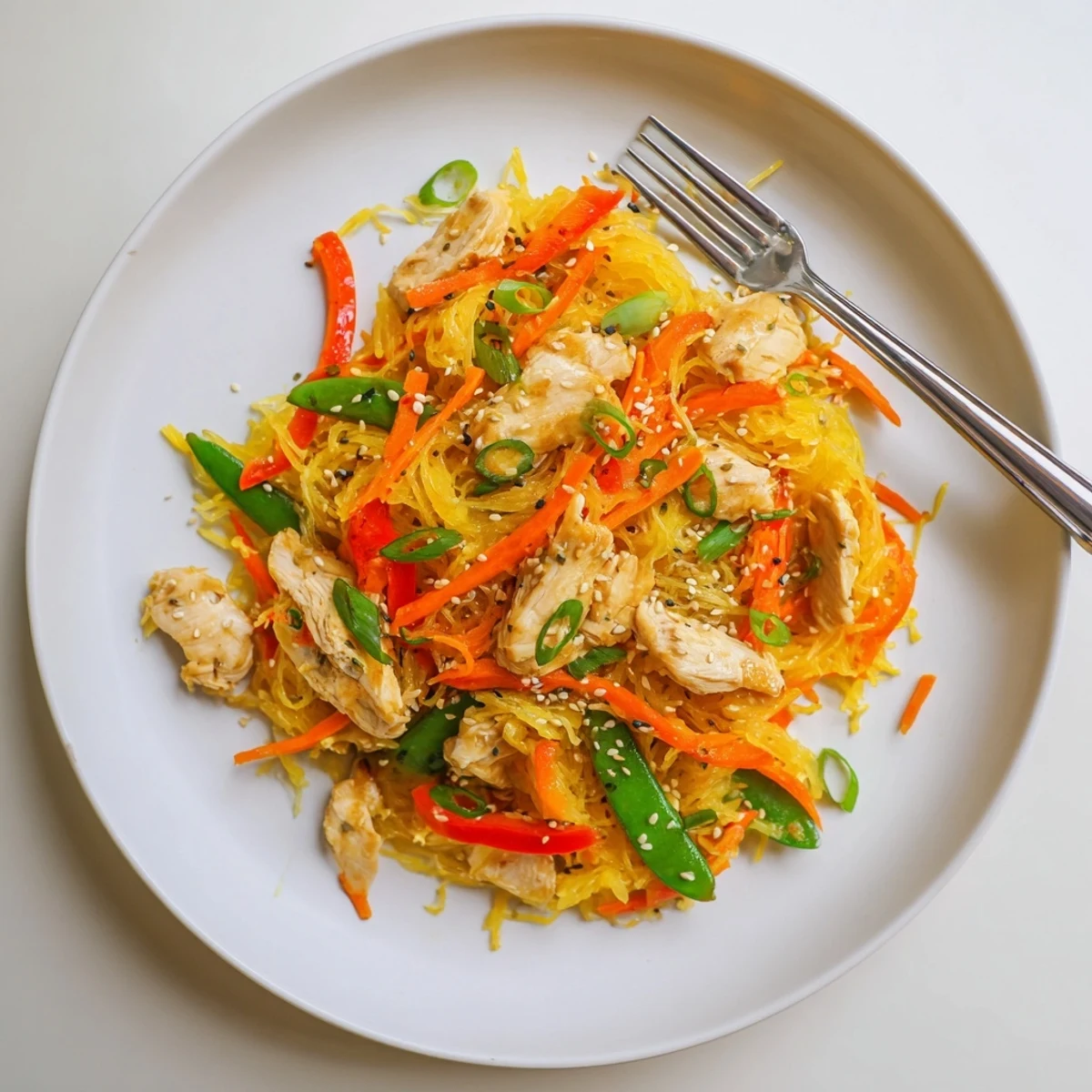
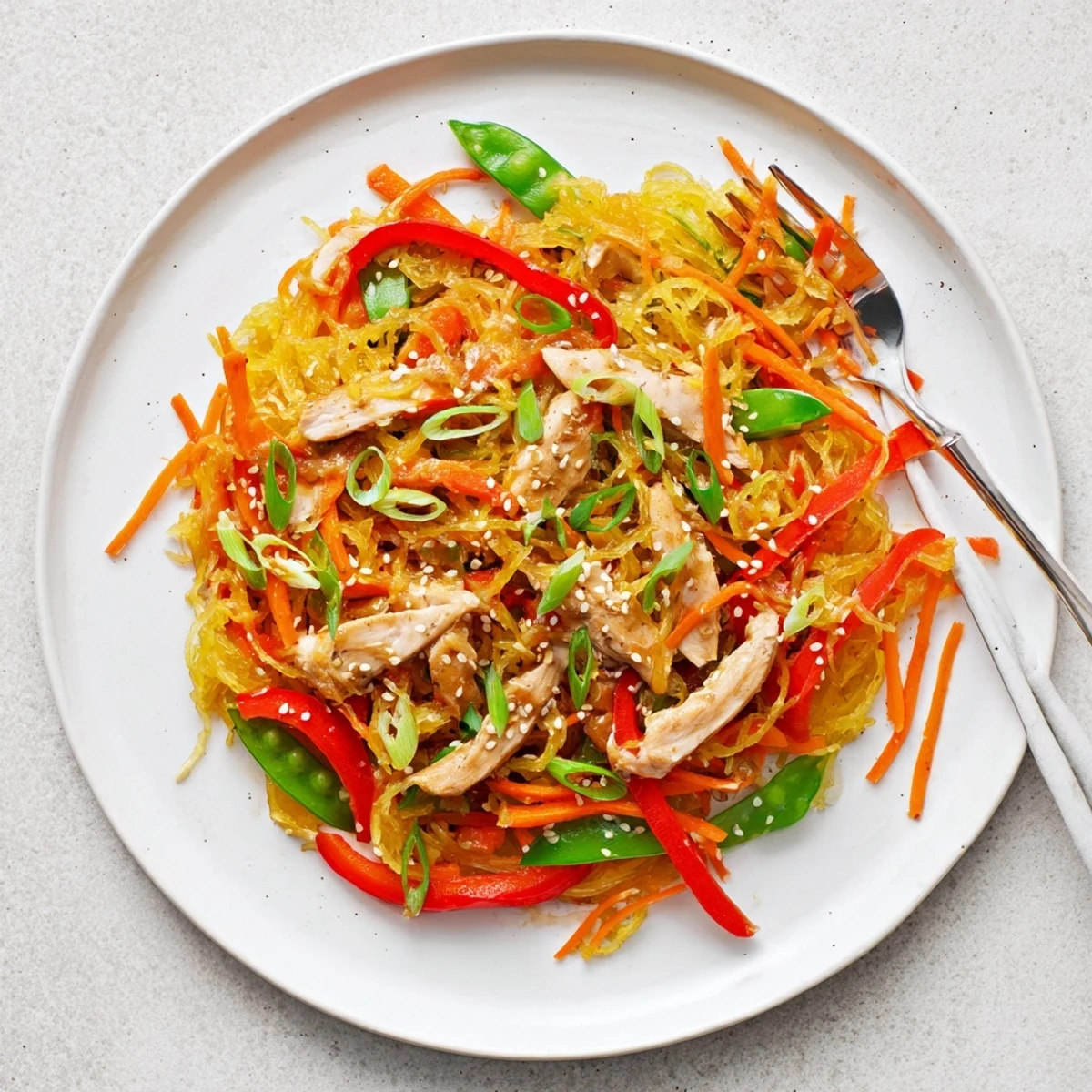
 This Asian-inspired dish transforms roasted spaghetti squash into tender noodle-like strands, creating a gluten-free alternative to traditional chow mein. The combination of juicy chicken breast, colorful vegetables like snap peas and bell peppers, and a balanced sauce of tamari, sesame oil, and honey delivers satisfying flavors with fewer carbohydrates. Ready in just over an hour, this versatile main dish pairs well with white wine or jasmine tea and can be easily adapted with shrimp, tofu, or additional vegetables like mushrooms and cabbage.
The steam hit my face before I even opened the oven, carrying this warm, slightly sweet smell that made me forget I was supposed to be on a low carb kick. Spaghetti squash had always struck me as one of those ingredients health bloggers pretended was pasta, but nobody actually believed. Then I roasted one by accident, thinking it was a butternut, and everything changed.
My friend Derek came over one Tuesday with a bottle of tamari and a complaint about missing real chow mein since going gluten free. We stood in my kitchen debating whether spaghetti squash could fool anyone, and by the end of the night he was licking the wok.
Ingredients
- 1 large spaghetti squash: Pick one that feels heavy for its size with a firm, pale yellow skin and no soft spots.
- 1 cup shredded carrots: These add color and a faint sweetness that balances the salty sauce beautifully.
- 1 red bell pepper, thinly sliced: Slice these into thin strips so they cook quickly alongside the other vegetables.
- 1 cup snap peas, trimmed: Their crunch gives the dish texture that contrasts with the tender squash strands.
- 2 green onions, sliced: Save these for garnish so they stay fresh and sharp.
- 2 cloves garlic, minced: Fresh garlic matters here, do not reach for the jar.
- 1 inch piece fresh ginger, grated: The finer you grate it, the more flavor releases into the oil.
- 2 boneless, skinless chicken breasts, thinly sliced: Slice against the grain on a slight bias for the most tender pieces.
- 1/4 cup gluten free soy sauce (tamari): Tamari has a deeper, rounder flavor than regular soy sauce and keeps this gluten free.
- 1 tablespoon oyster sauce (gluten free if needed): This is the secret ingredient that makes everything taste like restaurant food.
- 1 tablespoon sesame oil: Use toasted sesame oil for a nutty aroma that pulls the whole sauce together.
- 1 tablespoon rice vinegar: A small splash of acidity keeps the sauce from feeling heavy.
- 1 tablespoon honey or maple syrup: Just enough sweetness to round out the salty and sour notes.
- 1 teaspoon Sriracha (optional for heat): Add more if you like it fiery, or leave it out entirely for a milder dish.
- 2 tablespoons vegetable oil: Any neutral oil works, but avoid olive oil which fights with the Asian flavors.
- 1 tablespoon sesame seeds (optional): Toasted sesame seeds sprinkled on top make it look like you tried harder than you did.
Instructions
- Roast the squash:
- Preheat your oven to 400 degrees F, halve the squash lengthwise, scoop out the seeds, brush with oil, and roast cut side down for 35 to 40 minutes until a fork slides through easily.
- Mix the sauce:
- While the squash works its magic, whisk tamari, oyster sauce, sesame oil, rice vinegar, honey, and Sriracha in a small bowl until the honey dissolves completely.
- Cook the chicken:
- Heat one tablespoon of oil in a wok or large skillet over medium high heat, then cook the sliced chicken for 5 to 6 minutes until golden and cooked through before setting it aside.
- Stir fry the vegetables:
- Add the remaining oil to the same pan and toss in garlic, ginger, carrots, bell pepper, and snap peas for 3 to 4 minutes until they are crisp tender and fragrant.
- Shred the squash:
- Once the squash is cool enough to handle, drag a fork through the flesh and watch it separate into golden strands that look remarkably like noodles.
- Bring it all together:
- Add the squash strands to the vegetables, return the chicken to the pan, pour the sauce over everything, and toss for 2 to 3 minutes until every strand is coated and steaming.
- Finish and serve:
- Scatter green onions and sesame seeds over the top and serve immediately while the sauce is still bubbling and the vegetables have their crunch.
 Pin It
 I brought leftovers to work the next day and three people asked where I ordered from. Telling them I made it with squash felt like revealing a magic trick nobody asked to see.
What to Watch For
The biggest mistake I made was overcooking the vegetables on my first attempt. You want snap peas that still snap and bell pepper strips with a little structural integrity left.
Swaps That Actually Work
Sliced mushrooms or shredded cabbage blend in seamlessly if you want bulk without changing the flavor profile. Shrimp cooks even faster than chicken, and pressed tofu cubes get beautifully crispy if you pat them dry first.
Tools You Will Need
A sharp knife makes halving the squash dramatically easier and safer. Beyond that, a rimmed baking sheet, a large wok or skillet, and a sturdy fork are really all you need.
- Place a damp towel under your cutting board to keep it from sliding when you cut the squash.
- A wok is ideal but a large deep skillet works just as well.
- Let the squash rest five minutes before shredding so you do not burn your fingers.
 Pin It
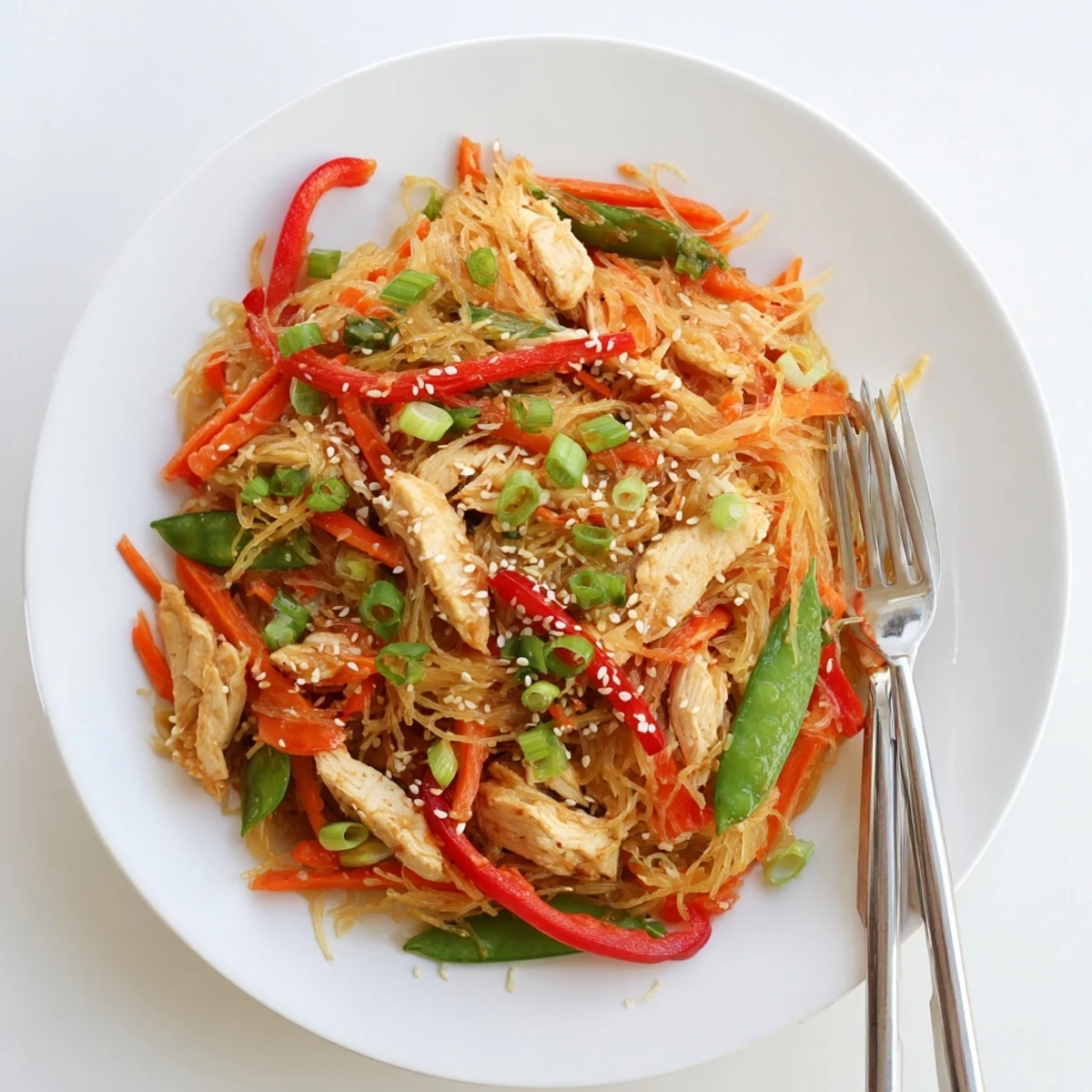
 Some weeknight dinners feel like a chore but this one always feels like a small victory. The strands pull apart like magic, the sauce sizzles, and suddenly you have takeout without the takeout containers.
Recipe Q&A
- → How do I prepare the spaghetti squash for this dish?
-
Cut the squash lengthwise, scoop out seeds, brush with oil, and roast at 400°F for 35–40 minutes until tender. Once cooled, shred the flesh with a fork to create noodle-like strands.
- → Can I make this dish vegetarian or vegan?
-
Yes, substitute the chicken with extra-firm tofu or additional vegetables. Use a plant-based oyster sauce alternative or additional tamari to maintain the umami flavor profile.
- → What other vegetables work well in this chow mein?
-
Mushrooms, cabbage, bean sprouts, bok choy, or water chestnuts make excellent additions. Adjust cooking times accordingly so all vegetables remain tender-crisp.
- → How can I adjust the spice level?
-
Increase or decrease the Sriracha in the sauce, or add crushed red pepper flakes, fresh chili peppers, or sambal oelek for additional heat.
- → Can I meal prep this dish for the week?
-
This dish stores well in the refrigerator for 3–4 days. Keep the sauce separate if possible, and reheat gently in a skillet or microwave, adding a splash of water or tamari if needed.
- → Is this dish completely gluten-free?
-
Yes, when using certified gluten-free tamari and gluten-free oyster sauce. Always check labels carefully if you have celiac disease or gluten sensitivity.