
 Pin It
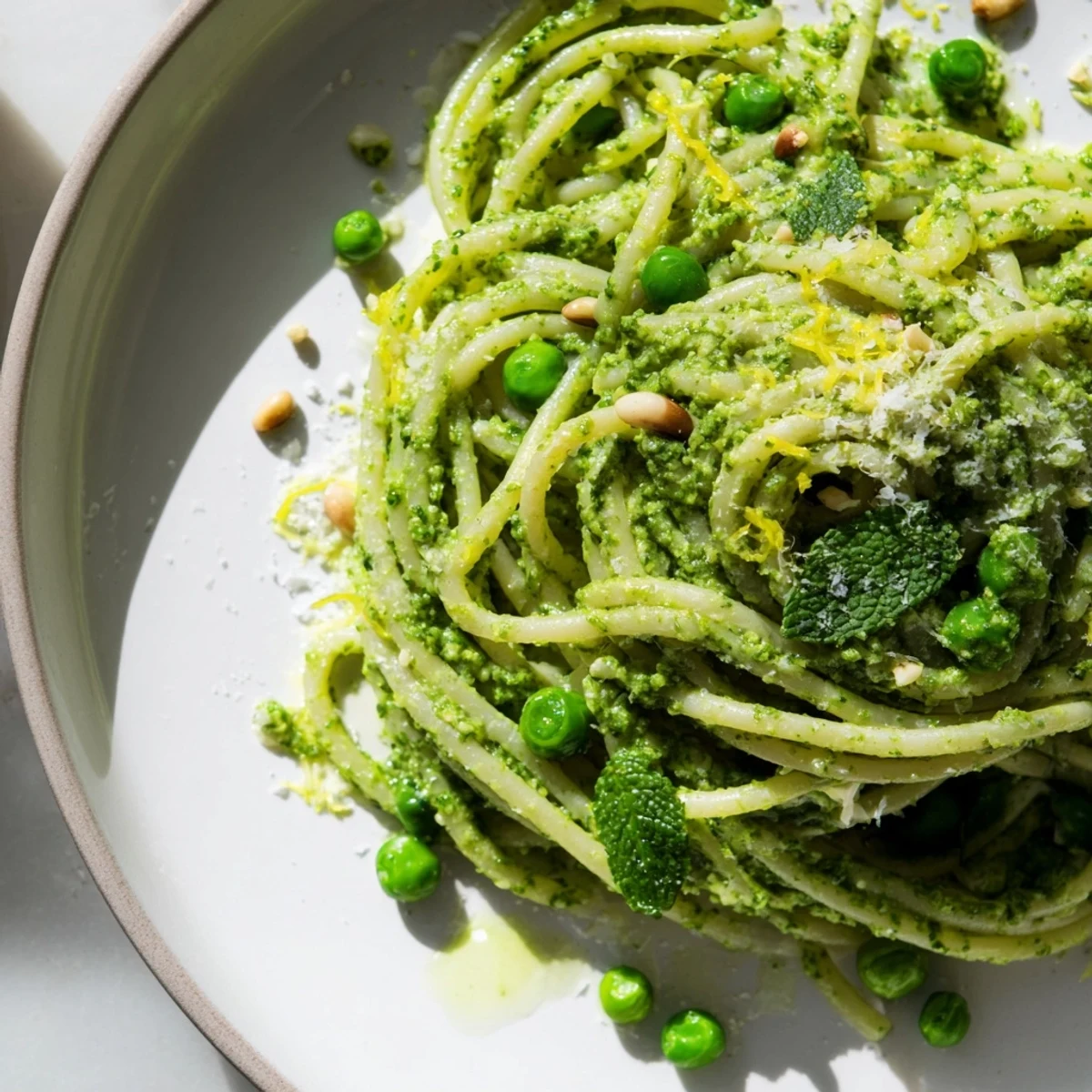
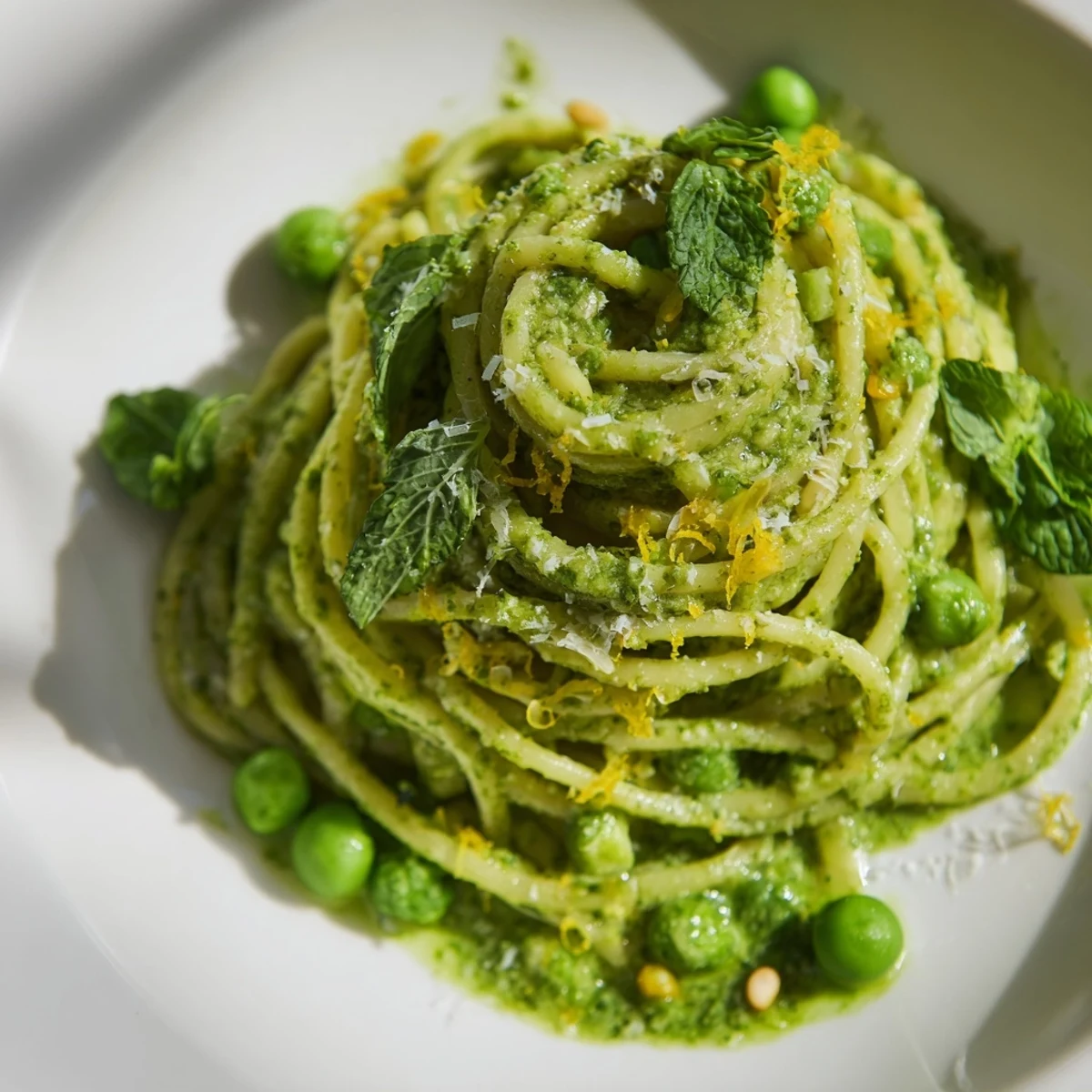
 This fresh pasta highlights sweet spring peas blended into a fragrant mint and basil pesto with Parmesan and pine nuts. Tossed with al dente linguine and finished with lemon zest and extra cheese, it offers a light yet flavorful meal. A quick and easy preparation perfect for warm days, it can be adapted vegan-friendly by swapping cheese and nuts. Simple kitchen tools and fresh ingredients bring vibrant taste to your table in just 30 minutes.
The first time I made this bright green pesto, my kitchen counter looked like spring had exploded everywhere. Peas were rolling across the cutting board, mint leaves were scattered like confetti, and I questioned whether this chaotic experiment would actually work. But one taste of that vibrant, herby sauce clinging to perfectly twirled pasta, and I knew I had stumbled onto something magical that would change how I thought about pesto forever.
Last April, my friend Sarah dropped by unexpectedly while I was testing this recipe. She watched me dump bright green peas into the food processor with raised eyebrows, but when she took that first bite, she literally stopped mid sentence and asked for the recipe before even swallowing. Now she makes it for her family every Tuesday, and her kids who claim to hate everything green have declared it their favorite dinner.
Ingredients
- 350 g (12 oz) dried spaghetti or linguine: Long strands catch the creamy pesto beautifully, and I have found that thinner pasta lets the delicate flavors shine more than chunky shapes
- 1 cup (150 g) fresh or frozen peas, thawed: Even frozen peas work wonderfully here, but if you can find fresh peas at the farmers market in spring, the sweetness difference is remarkable
- 1 packed cup (25 g) fresh mint leaves: Do not be shy with the mint, it is what makes this pesto sing and distinguishes it from ordinary basil pesto
- 1/2 cup (15 g) fresh basil leaves: The basil grounds the bright mint with familiar herbal notes that keep the pesto from feeling too dessert like
- 1/3 cup (35 g) grated Parmesan cheese: Use the good stuff you grate yourself, pre grated cheese has anti caking agents that make the pesto gritty
- 1/3 cup (45 g) toasted pine nuts: Toasting them in a dry pan for 3 minutes until golden and fragrant makes all the difference in the final flavor
- 1 small garlic clove: One small clove is perfect, too much garlic will overpower the delicate sweet pea flavor
- 1/2 teaspoon fine sea salt: Start with half a teaspoon and add more after tasting, different Parmesans have different salt levels
- 1/4 teaspoon freshly ground black pepper: Freshly cracked pepper adds a little warmth that complements the cool mint beautifully
- 1/2 cup (120 ml) extra virgin olive oil: Use your best olive oil here since the flavor really comes through in such a simple sauce
- 1 tablespoon lemon juice: This brightens everything and cuts through the richness of the olive oil and cheese
- 1/2 cup (75 g) fresh peas (optional): I always add these extra whole peas for pops of sweetness and texture throughout the pasta
- 1/4 cup (30 g) grated Parmesan cheese, for serving: Having extra cheese at the table lets everyone adjust the saltiness to their taste
- Zest of 1 lemon: The zest adds fragrant lemon oil without any acidity, perfect for finishing the dish
- Freshly cracked black pepper: A generous final grinding of pepper on top adds visual appeal and one last layer of flavor
Instructions
- Boil your pasta water:
- Use a large pot and add enough salt that the water tastes like the ocean, this is your only chance to season the actual pasta itself
- Cook the pasta:
- Cook until just al dente, usually one minute less than the package directions, then reserve that precious half cup of starchy pasta water before draining
- Make the pesto base:
- Combine the peas, mint, basil, Parmesan, toasted pine nuts, garlic, salt, and pepper in your food processor and pulse until everything is finely chopped and resembles coarse crumbs
- Add the liquids:
- With the motor running, pour in the olive oil and lemon juice in a slow steady stream until the pesto becomes smooth and creamy
- Combine everything:
- Return the drained pasta to its warm pot, pour over the vibrant green pesto, and toss vigorously until every strand is coated, adding splashes of pasta water if needed
- Finish with fresh touches:
- Gently fold in those extra whole peas, the bright lemon zest, and half the remaining Parmesan while the pasta is still warm so everything melds together
- Serve it up:
- Divide among bowls and finish with the remaining Parmesan and a generous crack of black pepper right at the table for the freshest flavor
 Pin It
 My grandmother, who was skeptical of anything that was not traditional Italian, tried this at my Easter dinner last year. She took one suspicious bite, eyes widened, and asked if I would teach her how to make it the next time she visited. Now she calls it her discovery and serves it to all her bridge club friends, claiming she developed the recipe herself.
Making It Your Own
I have found that swapping in almonds or walnuts for pine nuts works perfectly fine and is much easier on the budget. Sometimes I add a handful of arugula to the pesto for a peppery kick that cuts through the sweetness of the peas. The beauty of this recipe is how forgiving it is while still feeling elegant and special.
Choosing Your Peas
Fresh English peas from the spring farmers market are undeniably superior, but I make this year round with frozen peas and it is still delicious. Just be sure to thaw frozen peas completely and pat them dry before adding to the food processor, excess water can make the pesto thin and separated.
Perfect Pairings
This pasta is substantial enough to stand alone as a light dinner, but I love serving it alongside a simple green salad with a sharp vinaigrette to cut the richness. A crisp white wine like Sauvignon Blanc or Pinot Grigio complements the herbal notes beautifully.
- Grilled shrimp or chicken turns this into a more substantial main course
- A dollop of ricotta on top adds creamy contrast to the bright pesto
- Extra lemon wedges at the table let guests brighten their portions to taste
 Pin It
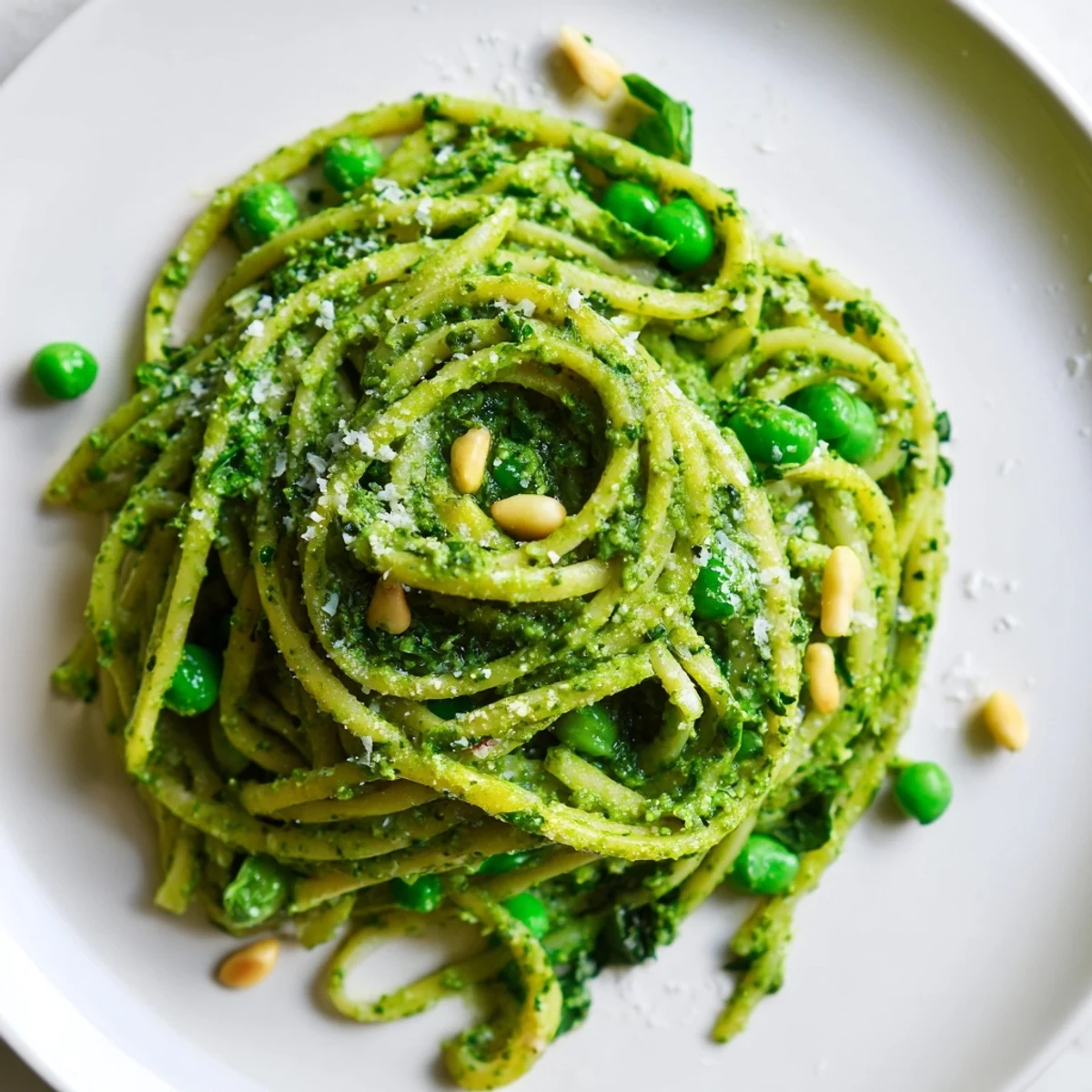
 There is something so satisfying about a pasta that looks this vibrant and tastes this fresh while coming together in the time it takes to boil water. I hope this bright green beauty brings a little spring to your table, no matter the season.
Recipe Q&A
- → Can I use frozen peas in this dish?
-
Yes, thawed frozen peas work well in the pesto and provide a sweet, fresh flavor similar to fresh peas.
- → What can substitute pine nuts in the pesto?
-
Toasted almonds or walnuts make excellent alternatives, lending a similar texture and nutty taste.
- → How do I adjust the pesto consistency if it's too thick?
-
Blend in reserved pasta cooking water a little at a time until the desired smoothness is achieved.
- → Is it possible to make this dairy-free?
-
Replace Parmesan with nutritional yeast and omit cheese garnish to keep the bright flavors without dairy.
- → What pasta types are best suited for this preparation?
-
Spaghetti or linguine work well as they hold the pesto nicely and provide a satisfying texture.