
 Pin It
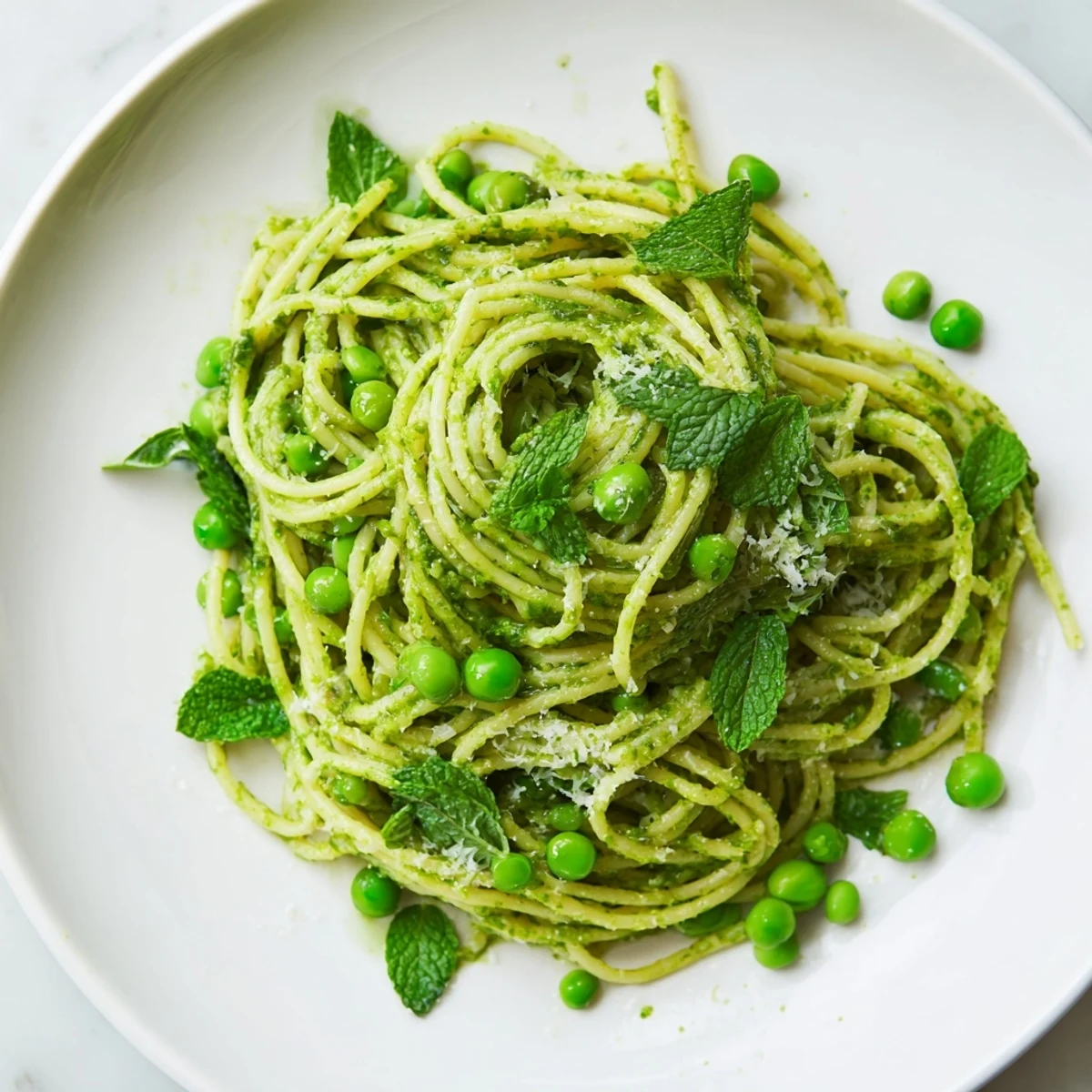
 This bright pasta highlights the fresh flavors of sweet spring peas blended with mint and basil pesto. The smooth, creamy sauce is made by combining peas, herbs, toasted pine nuts, Parmesan, lemon zest, and olive oil. Tossed with perfectly cooked pasta and finished with extra peas and herbs, it creates a light, refreshing dish ready in just 25 minutes.
Ideal for a quick, satisfying meal, this dish embraces simple ingredients with bold herbaceous notes and a vibrant texture. Variations include vegan options and added protein for versatility.
The first time I made this pea and mint pesto, I was trying to use up a massive bag of peas from my farmers market run that I'd enthusiastically overbought. Something about the bright green swirl against the pasta made the whole kitchen feel lighter, like spring had arrived early on my dinner plate. My skeptical roommate took one bite and immediately asked for the recipe, which is how I knew this wasn't just a pretty dish.
I made this for my book club last spring when we were all feeling that winter fatigue, and honestly, the mood lift was palpable. Everyone kept asking what made the pesto taste so different, and I think it's that sneaky little bit of lemon zest that wakes everything up. Now it's become my go-to when I need to feed people something impressive but don't want to spend hours at the stove.
Ingredients
- 350 g (12 oz) dried pasta: I prefer spaghetti or fusilli here because the pesto clings beautifully to their shapes, but whatever you have in your pantry will work perfectly fine
- Salt for pasta water: Don't be shy here, well salted water is your only chance to season the pasta itself
- 150 g (1 cup) fresh or thawed frozen peas: Frozen peas work surprisingly well here since they're picked at peak sweetness and consistency matters more than fresh-from-the-pod bragging rights
- 30 g (1 cup) fresh mint leaves: This is the secret ingredient that makes everything taste like a garden, but don't go overboard or you'll feel like you're eating toothpaste
- 30 g (1 cup) fresh basil leaves: Basil grounds the mint's wild energy and keeps things feeling familiar and comforting
- 50 g (1/3 cup) toasted pine nuts: Toasting them first makes all the difference in bringing out their buttery flavor, though I've definitely forgotten and survived
- 60 g (2 oz) grated Parmesan cheese: This adds that salty umami foundation that makes you keep coming back for another bite
- 1 garlic clove: One small clove is plenty since garlic's flavor will mellow out but still provide that aromatic backbone
- Zest and juice of 1 lemon: Both parts matter here, the zest brings fragrance while the juice cuts through the rich olive oil
- 80 ml (1/3 cup) extra virgin olive oil: This brings everything together into that luscious, emerald sauce you're dreaming about
- Salt and freshly ground black pepper: Taste as you go, starting with less since both the Parmesan and pasta water are already salty
- Optional garnishes: Those extra blanched peas and fresh herbs aren't strictly necessary, but they make everything look restaurant worthy
Instructions
- Get your pasta water going first:
- Bring a large pot of generously salted water to a boil, then cook your pasta until it's just shy of al dente, reserving that precious half cup of pasta water before draining
- Make the pesto while the pasta cooks:
- Combine those peas, mint, basil, toasted pine nuts, Parmesan, garlic, lemon zest and juice in your food processor, pulsing until everything is chopped but still has some texture
- Stream in the olive oil:
- With the motor running, slowly drizzle in your olive oil until the pesto transforms into this gorgeous, creamy green sauce that you'll want to eat with a spoon
- Bring it all together:
- Toss your hot pasta with the pesto, adding that reserved pasta water a splash at a time until every strand is luxuriously coated and glossy
- Serve it up with love:
- Plate immediately while the pasta is still piping hot, topping with those extra peas, more Parmesan, and fresh herbs if you're feeling fancy
 Pin It
 This pasta became a tradition in our house during that weird limbo period between winter and spring when everyone is craving something fresh but still wants comfort food. My partner now requests it whenever they've had a particularly long week, calling it green medicine for the soul.
Making It Your Own
I've made this recipe enough times to know it's incredibly forgiving, which is part of why I love it so much. Sometimes I skip the blanching step for the garnish peas and just toss them in frozen, letting the hot pasta thaw them as everything gets mixed together.
Texture Talk
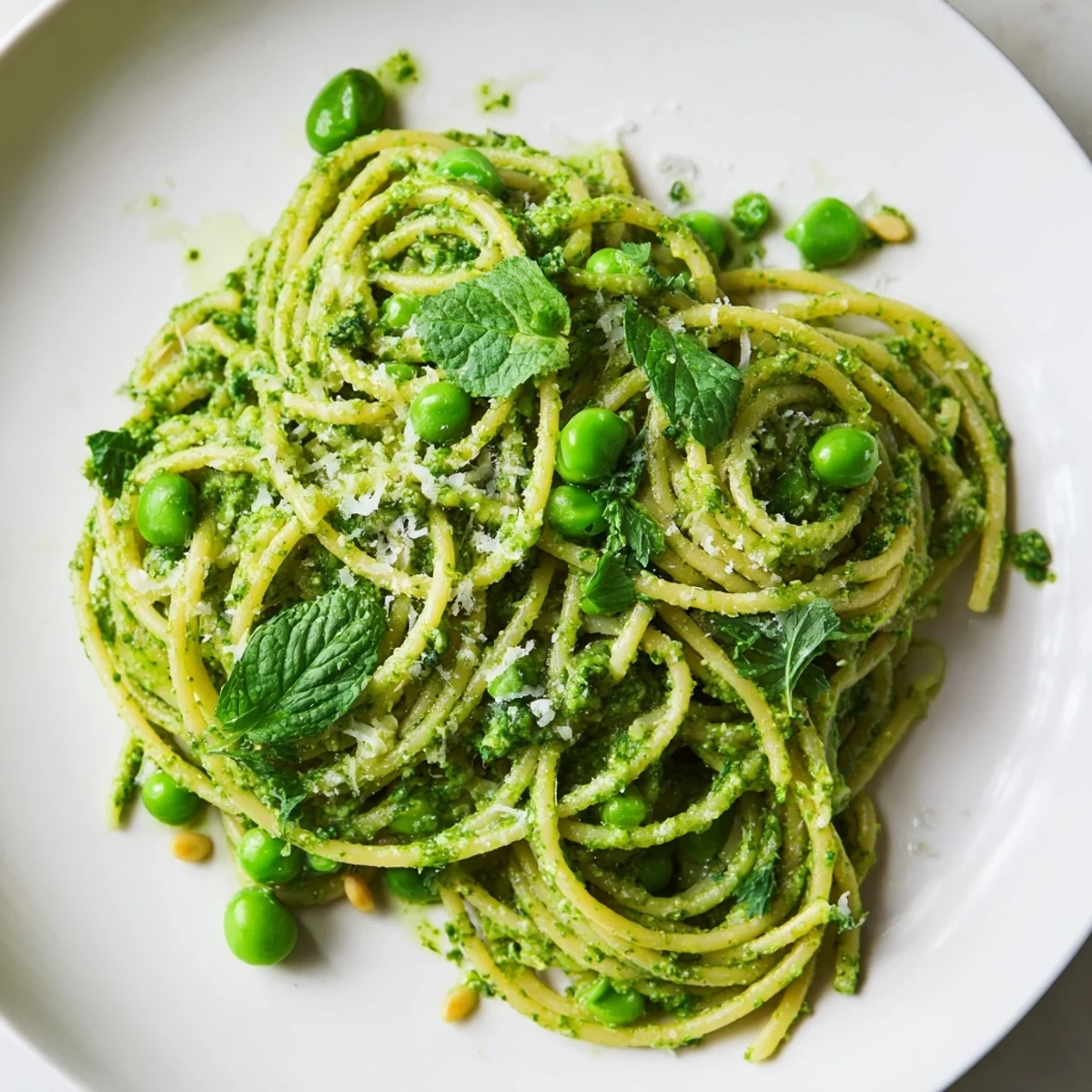
The beauty of this pesto is that it shouldn't be perfectly smooth, those tiny bits of pea and herb add such lovely texture against the slippery pasta. I used to overprocess everything into oblivion until I realized those little flecks of green are what make each bite interesting.
The Leftover Situation
While this pasta is undeniably best eaten fresh, I've learned that leftovers make an excellent cold pasta salad the next day. The flavors seem to marry and mellow overnight in the refrigerator, plus it means you don't have to think about lunch.
- Stir in a splash more olive oil before refrigerating to keep everything from drying out
- Add some fresh arugula or spinach if you want to bulk it up as a salad
- Bring to room temperature before serving, as cold pasta can taste surprisingly sad
 Pin It
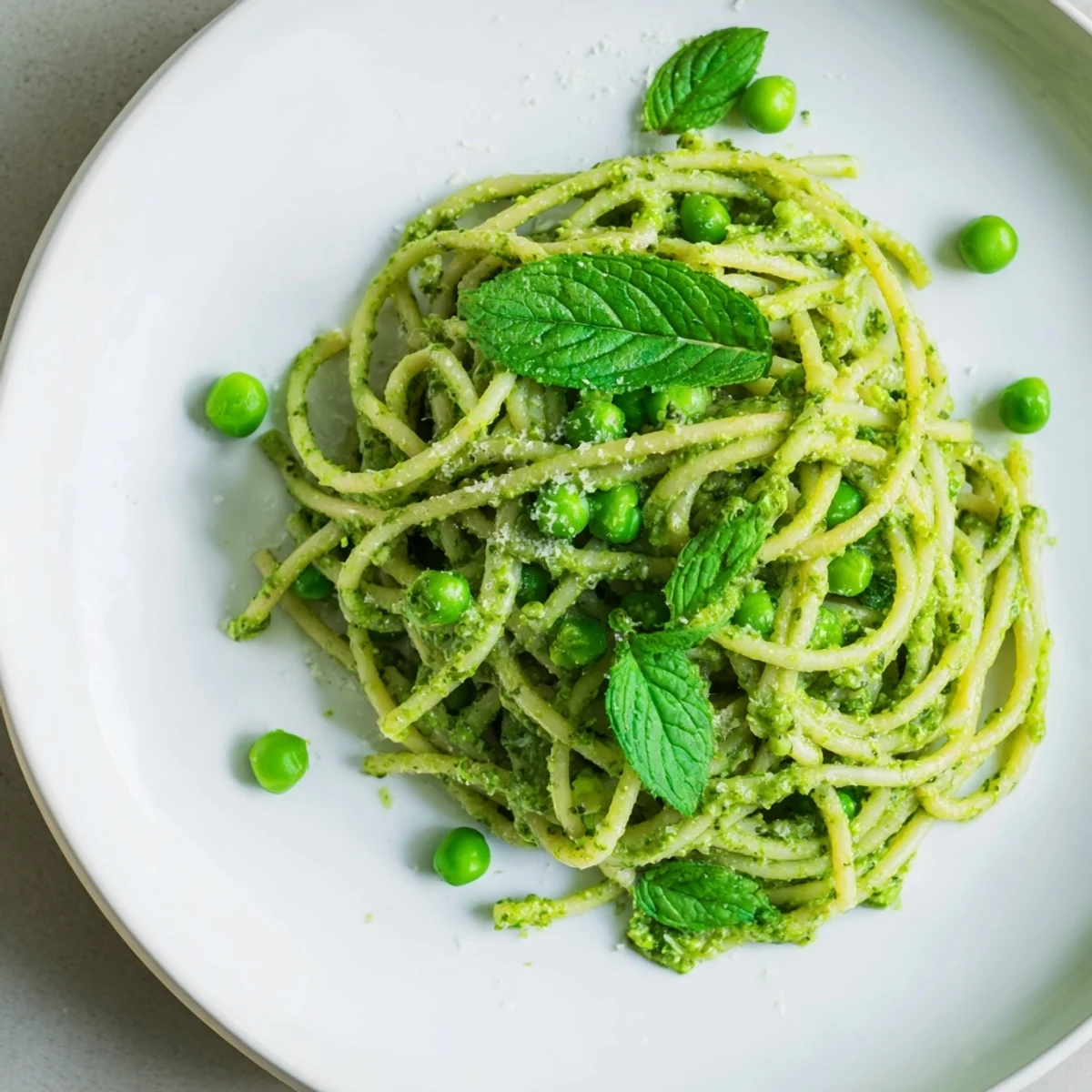
 There's something deeply satisfying about eating something this vibrant and green, like you're literally consuming the season itself. Hope this brings a little brightness to your table too.
Recipe Q&A
- → How do I make the pesto creamy?
-
Gradually add olive oil to the blended peas and herbs while processing to create a smooth, creamy texture.
- → Can I use frozen peas for this dish?
-
Yes, fresh or thawed frozen peas work well and maintain the bright green color and sweet flavor.
- → What can I substitute for pine nuts?
-
Toasted almonds or walnuts can replace pine nuts for a similar texture and nutty taste.
- → How do I prevent the pasta from drying out?
-
Reserve some pasta cooking water and add it gradually to the pesto and pasta to loosen the sauce and ensure it coats the noodles well.
- → Is there a way to make this dish vegan?
-
Replace Parmesan cheese with nutritional yeast for a vegan-friendly version that retains a cheesy flavor.