
 Pin It
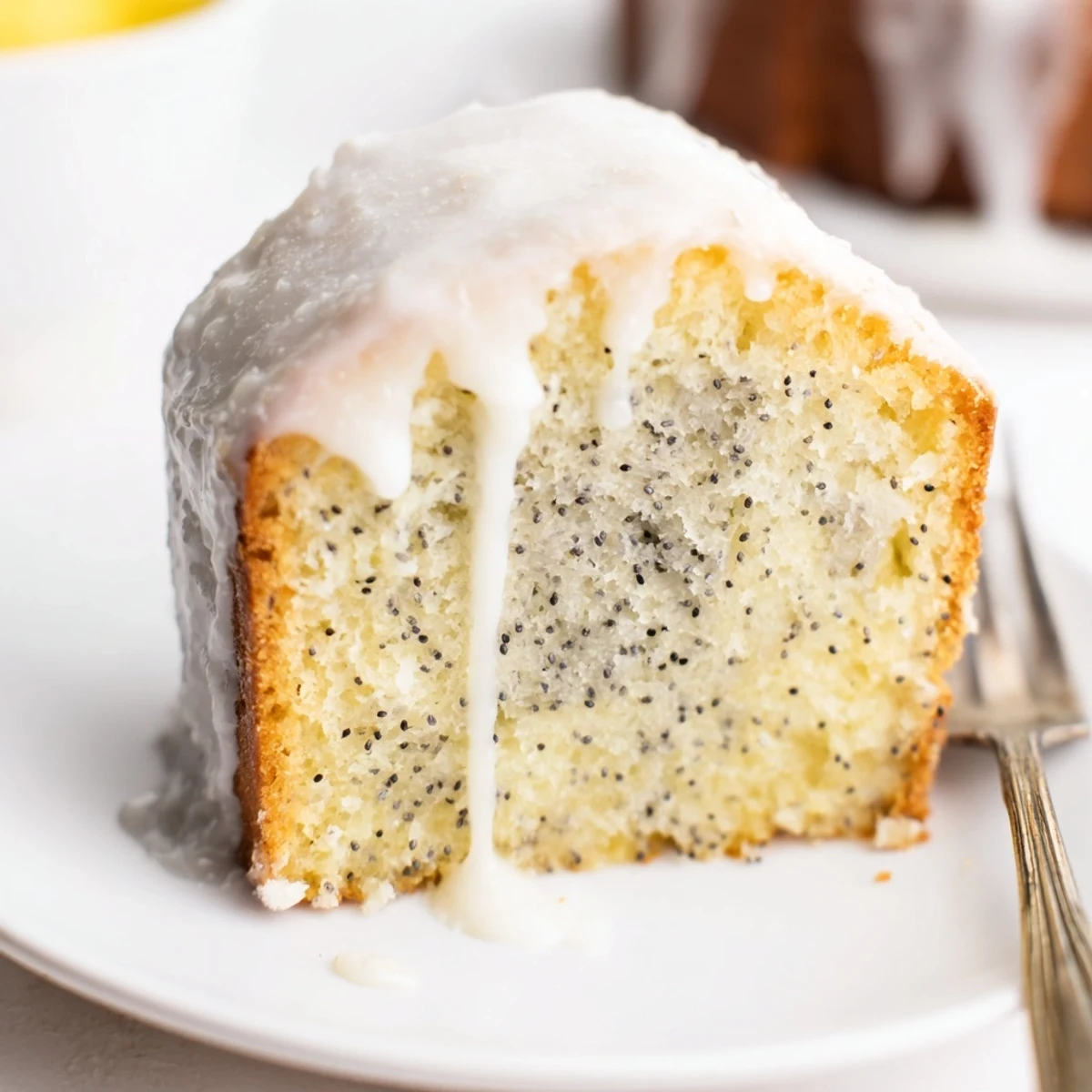
 This bright and zesty lemon poppy seed cake delivers the perfect balance of sweet and tangy flavors. The moist crumb comes from creaming butter and sugar until fluffy, while fresh lemon juice and zest provide vibrant citrus notes throughout. Tiny poppy seeds add a satisfying crunch in every bite. A simple powdered sugar glaze tops it all off with extra sweetness. Ready in just over an hour, this delightful treat is ideal for spring brunches, afternoon tea, or whenever you crave something refreshing and homemade.
The screen door slapped shut behind me as I carried a Bundt pan to the picnic table, swatting at a bee that had already caught wind of the lemon glaze dripping down the sides. My neighbor Rita leaned over the fence and said that smelled like sunshine in a pan, and she was not wrong. That afternoon cemented this cake as my go to for every potluck, brunch, and random Tuesday that needed brightening. It is impossibly moist, bursting with citrus, and studded with those tiny poppy seeds that make every bite feel a little special.
One rainy Saturday I made this cake for a friend who had just moved into a new apartment with nothing but a folding chair and a coffee mug to her name. She ate two slices standing at the kitchen counter still wearing her raincoat, and she told me it was the first time the new place felt like home. That is the quiet magic of a recipe that asks almost nothing of you but gives back so much warmth.
Ingredients
- Unsalted butter (3/4 cup, softened): Pull it out of the fridge an hour ahead so it creams smoothly and traps air for a lighter crumb.
- Granulated sugar (1 cup): This is the structural sweetness that balances the tart lemon, so do not be tempted to reduce it.
- Large eggs (2): Room temperature eggs blend more evenly into the batter and help prevent that slightly curdled look.
- Whole milk (1/2 cup): Fat equals tenderness here, though sour cream works beautifully if you want an even richer texture.
- Fresh lemon juice (1/4 cup plus 2 tablespoons for glaze): Skip the bottle and squeeze it fresh because the brightness fades the moment it sits on a shelf.
- Lemon zest (1 tablespoon): This is where the perfume lives, so press firmly and zest only the yellow layer, never the bitter white pith beneath.
- All purpose flour (1 1/2 cups): Spoon it into the cup and level with a knife to avoid a dense, heavy loaf.
- Baking powder (1 1/2 teaspoons): Check the date on the can because old baking powder quietly loses its lift and leaves you with a flat cake.
- Salt (1/4 teaspoon): A small pinch sharpens every flavor and keeps the sweetness from tasting one dimensional.
- Poppy seeds (2 tablespoons): Toast them briefly in a dry pan to wake up their nutty flavor before folding them in.
- Powdered sugar (3/4 cup for glaze): Sift it to keep the glaze silky and free of stubborn little lumps.
Instructions
- Set the stage:
- Heat your oven to 350 degrees Fahrenheit and grease a 9 by 5 inch loaf pan or line it with parchment, leaving overhang on the sides for easy lifting later.
- Cream the base:
- Beat the softened butter and sugar together until the mixture turns pale and looks almost whipped, scraping down the bowl once or twice so nothing hides at the bottom.
- Welcome the eggs:
- Add the eggs one at a time, mixing for a good twenty seconds after each so they have a chance to fully emulsify into the batter.
- Bring in the liquid sunshine:
- Pour in the milk, lemon juice, and zest, stirring until combined even though the batter may look slightly curdled and that is perfectly fine.
- Build the dry team:
- In a separate bowl whisk the flour, baking powder, salt, and poppy seeds so the leavening and seeds are evenly distributed before they meet the wet ingredients.
- Marry the two:
- Add the dry mixture to the wet in three gentle additions, folding with a spatula just until the last streak of flour disappears and no more.
- Pour and smooth:
- Transfer the batter to your prepared pan and smooth the top with the back of a spoon, working it into the corners so the loaf bakes evenly.
- Bake with patience:
- Set the pan on the center rack and bake 35 to 40 minutes until a toothpick slipped into the middle comes out clean with only moist crumbs clinging to it.
- Cool with care:
- Let the cake rest in the pan for 10 minutes so it firms up, then use the parchment overhang to lift it onto a wire rack to finish cooling completely.
- Drizzle the crowning glaze:
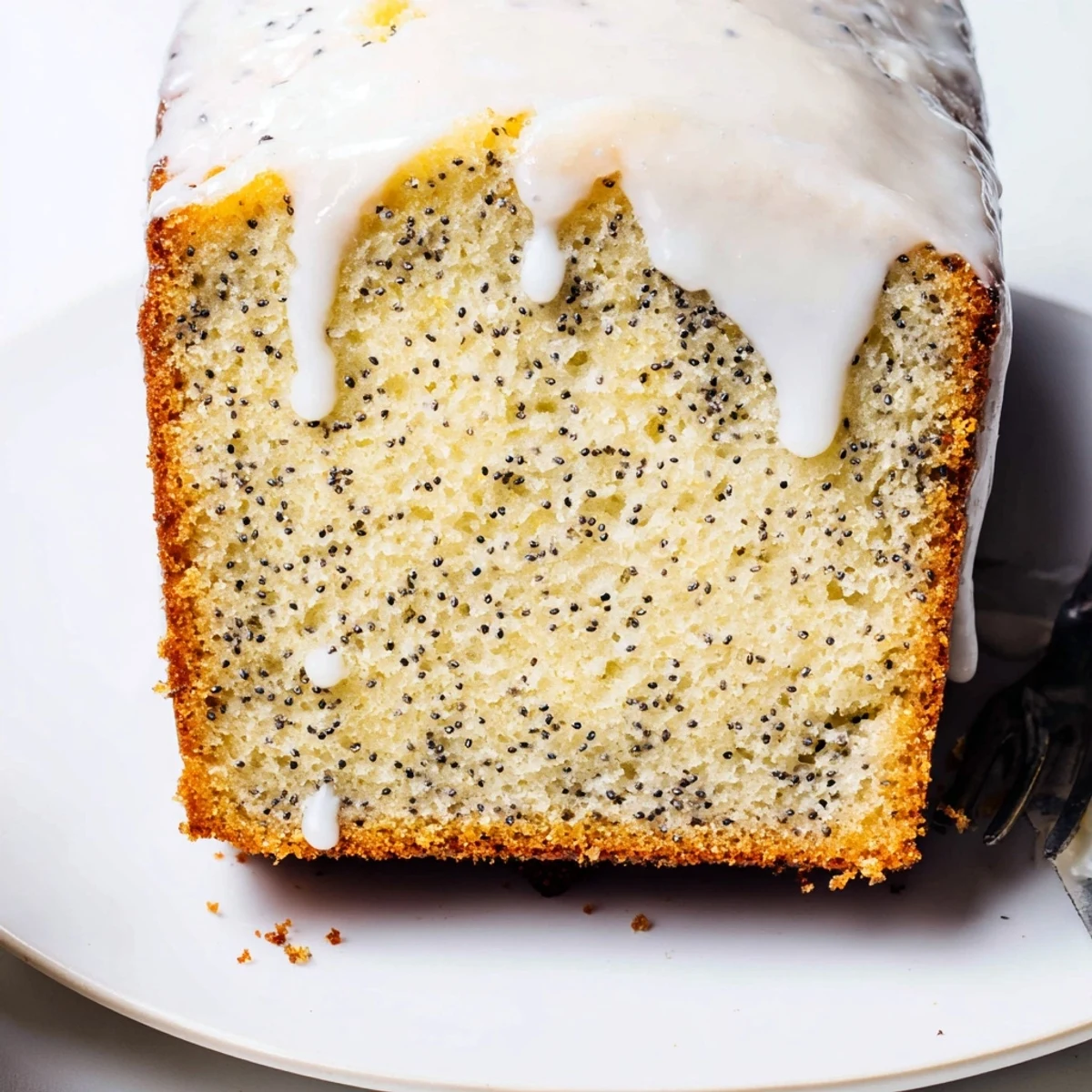
- Whisk the powdered sugar and remaining lemon juice until smooth, then drizzle it over the cooled cake in lazy zigzags, watching it settle into every crack.
 Pin It
 I once left this cake cooling on the counter and came back to find my husband had eaten an end piece standing over the sink, claiming he needed to test the glaze before guests arrived. That stolen corner slice told me everything I needed to know about whether the recipe worked.
When Life Gives You Lemons
Meyer lemons hit the farmers market in late winter and they turn this cake into something almost floral, with a gentler acidity that makes the whole loaf taste softer. In a pinch regular Eureka lemons work beautifully, just taste the juice before measuring because tartness varies wildly from one lemon to the next.
Make It Your Own
A handful of fresh blueberries folded in at the end turns this into a stunning brunch centerpiece, and a thin layer of raspberry jam brushed on before the glaze adds a jewel toned surprise. I have even swapped the lemon for blood orange in January and the result was a gorgeous pink tinged loaf that disappeared just as fast.
Keeping It Fresh
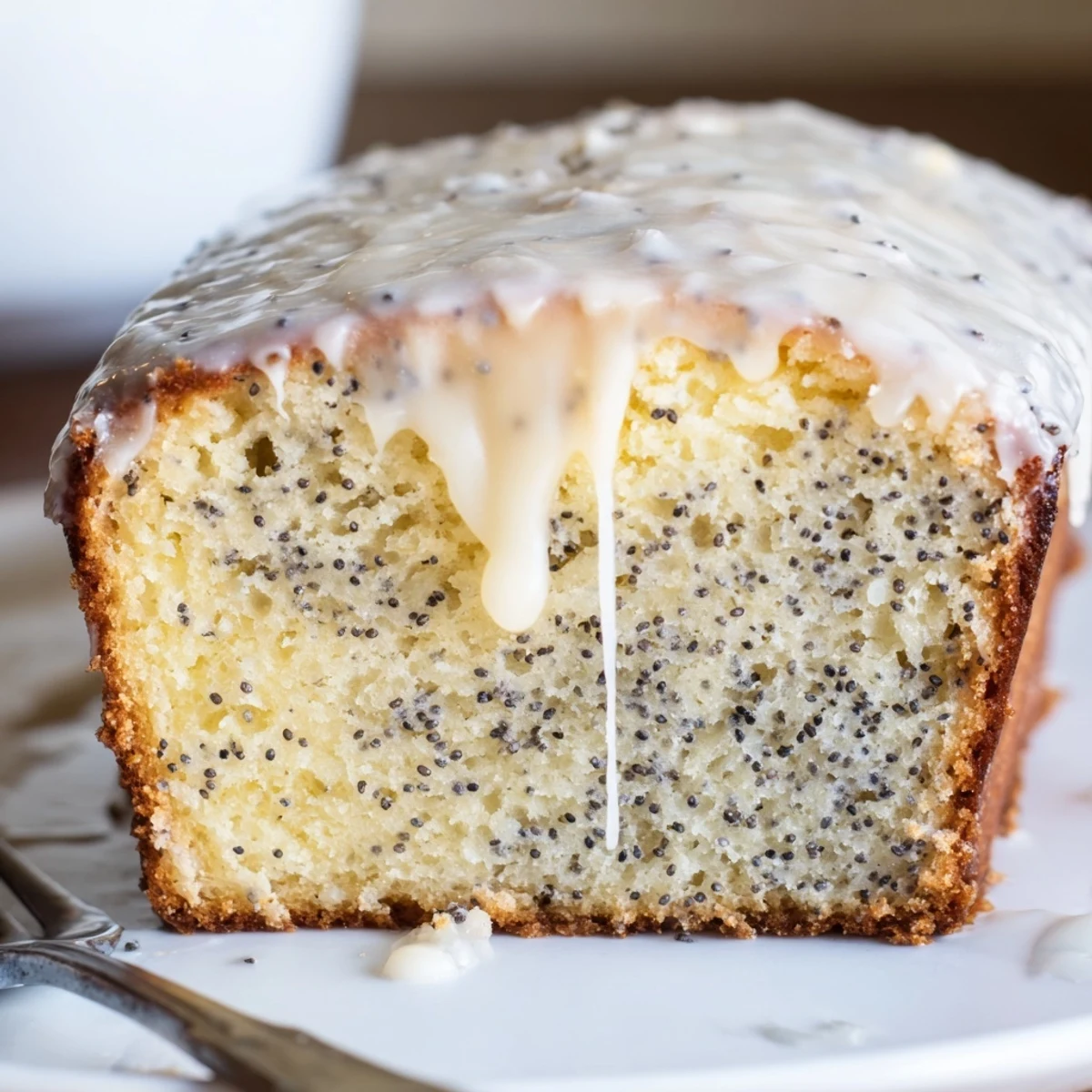
This cake actually improves after sitting overnight wrapped tightly on the counter, as the glaze seeps deeper and the crumb settles into something even more tender. It will keep well for up to four days at room temperature and freezes beautifully for up to three months if you wrap it in foil first.
- Wrap leftovers in plastic wrap then foil to lock in moisture and prevent the glaze from absorbing fridge odors.
- Freeze individual slices between sheets of parchment so you can thaw only what you need.
- Always bring a refrigerated slice back to room temperature before eating so the butter softens and the flavor sings again.
 Pin It
 Every time I bake this loaf I think of that bee and Rita and raincoats and stolen slices over the sink, and I realize the best recipes are the ones that gather stories along the way. I hope this one finds a place in your kitchen and collects a few memories of its own.
Recipe Q&A
- → How do I store lemon poppy seed cake?
-
Wrap the cooled cake tightly in plastic wrap or store in an airtight container at room temperature for up to 3 days. For longer storage, refrigerate for up to a week or freeze individual slices for up to 3 months.
- → Can I make this as muffins instead?
-
Yes, fill lined muffin tins two-thirds full and bake at 350°F for 18-22 minutes until golden and a toothpick comes out clean. This yields about 12-15 standard muffins.
- → Why does my batter look curdled after adding lemon juice?
-
This is completely normal. The acid in lemon juice can cause the milk to curdle slightly when mixed with butter. Don't worry—the cake will bake up perfectly smooth and moist.
- → Can I use bottled lemon juice?
-
Fresh lemon juice provides the best flavor, but bottled juice works in a pinch. For the zest, always use fresh lemons as bottled versions don't contain the aromatic oils that give such bright flavor.
- → How can I tell when the cake is done baking?
-
Insert a toothpick into the center of the cake. If it comes out clean or with just a few moist crumbs, it's done. The top should be golden brown and the cake should start pulling away from the pan edges slightly.
- → Can I reduce the sugar in this cake?
-
You can reduce the granulated sugar to 3/4 cup, though the texture may be slightly less tender. The glaze sugar can be adjusted to taste by adding more or less lemon juice.