
 Pin It
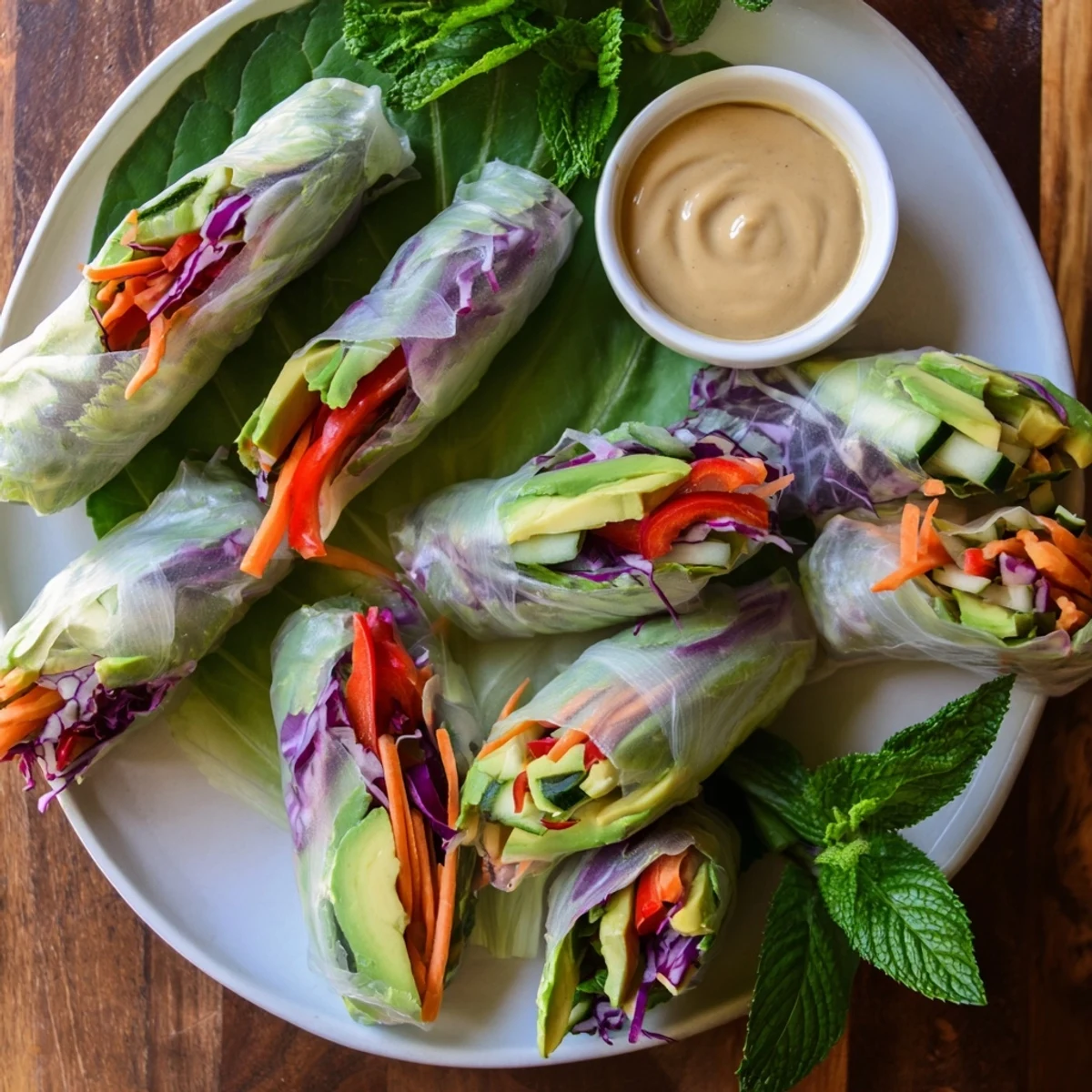
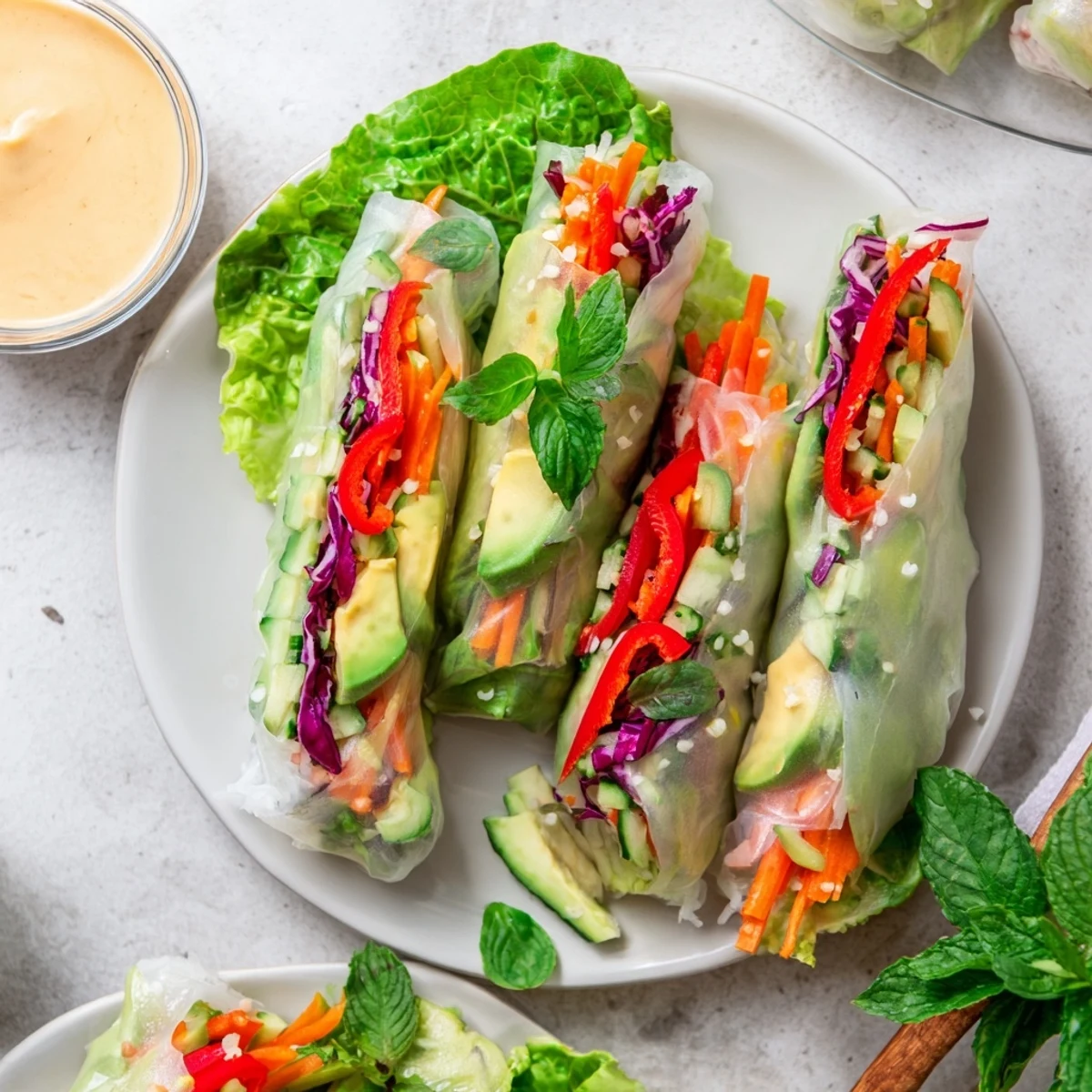
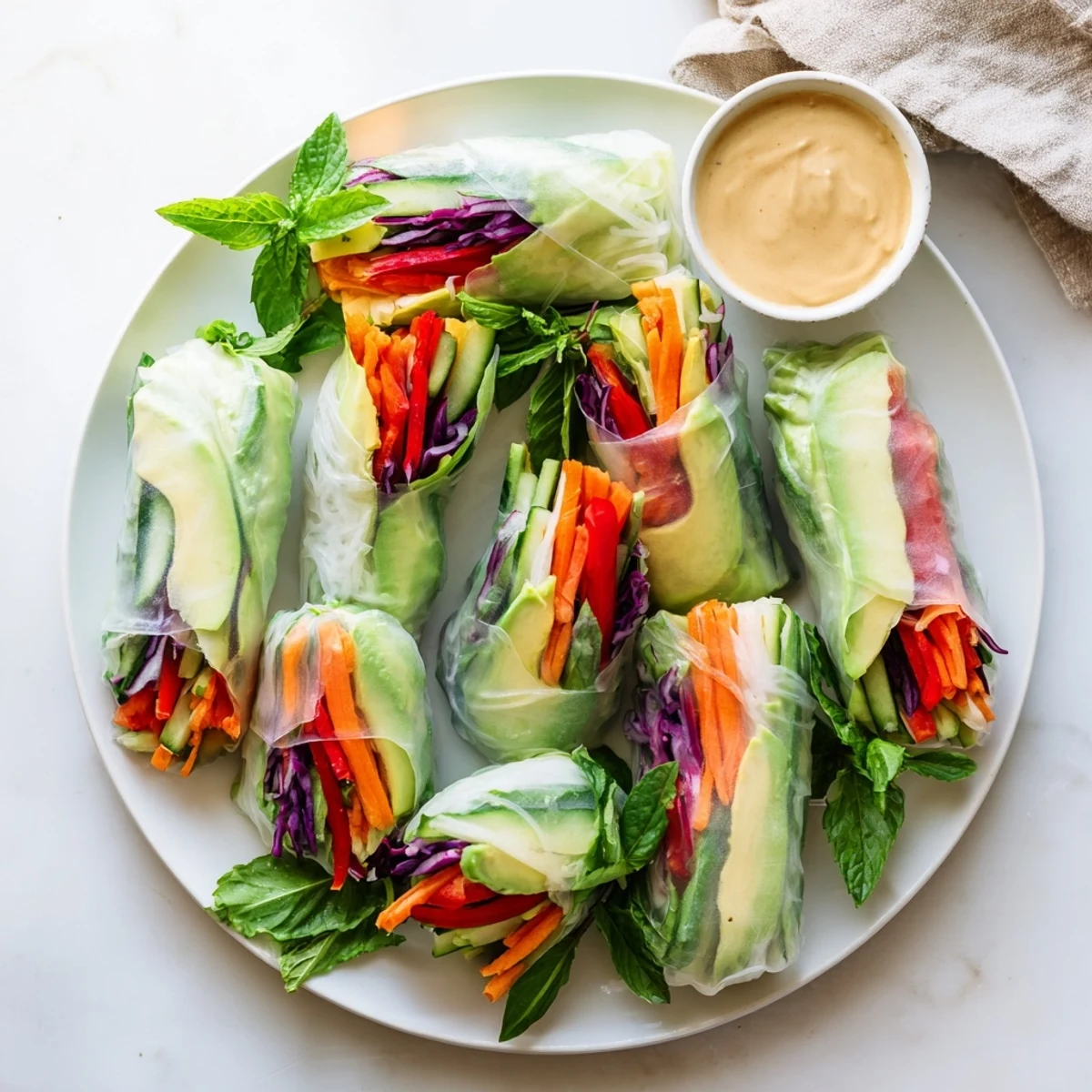
 These translucent rice paper rolls showcase vibrant julienned vegetables including carrot, cucumber, red bell pepper, and cabbage, layered with rice vermicelli noodles and generous handfuls of fresh mint, cilantro, and basil. The assembly process softens each wrapper briefly in warm water before rolling tightly around the crisp filling. A rich, tangy peanut sauce combines creamy peanut butter with soy sauce, hoisin, lime juice, and a hint of garlic for dipping.
The finished rolls offer satisfying crunch from raw vegetables paired with the smooth nuttiness of the dipping sauce. Each roll delivers layers of herbaceous freshness while remaining naturally gluten-free and vegetarian. The dish works beautifully as an appetizer for gatherings or a light main course.
The first time I attempted fresh spring rolls, I made every mistake in the book. I soaked the wrappers too long until they disintegrated, overstuffed them until they burst, and ended up with a messy pile of delicious ingredients on my plate. But something about those vibrant, transparent rolls kept me coming back. Now I set up my station like a little assembly line and actually look forward to the meditative rhythm of rolling.
Last summer I made these for a backyard dinner with friends, watching everyone's eyes light up when they bit into that crisp, herb-filled first roll. My friend Sarah, who claims to hate cilantro, accidentally ate an entire roll without noticing it was packed with the stuff. Now she requests them every time she comes over.
Ingredients
- Rice paper wrappers: These delicate rounds transform like magic in warm water, so handle them gently
- Rice vermicelli noodles: Cook them until just tender and rinse thoroughly in cold water to stop the cooking
- Fresh vegetables: Julienne everything consistently so each roll has the same satisfying crunch
- Fresh herbs: The combination of mint, cilantro, and basil is absolutely non-negotiable for authentic flavor
- Avocado: Adds creaminess that balances the crisp vegetables perfectly
- Lettuce leaves: Use sturdy leaves like butter lettuce as the first layer for structural integrity
- Peanut butter: Use natural creamy peanut butter for the best sauce consistency
- Lime juice: Fresh squeezed makes all the difference in cutting through the rich peanut butter
Instructions
- Prep your noodles and vegetables:
- Cook the vermicelli until tender, rinse under cold water until completely cool, and drain thoroughly. Cut all your vegetables into thin, matchstick strips and wash and dry the herbs.
- Set up your rolling station:
- Arrange all ingredients in separate bowls around a large cutting board. Fill a shallow dish with warm water and lay out a clean, damp towel for rolling.
- Soften the rice paper:
- Dip one wrapper into the warm water for just 10-15 seconds. It should still feel slightly firm as you remove it. Lay it flat on your damp towel.
- Layer the fillings:
- Place a lettuce leaf in the lower third, then add a small clump of noodles. Layer on the colorful vegetables, a few slices of avocado, and a generous pinch of each herb.
- Roll it tight:
- Fold the sides inward over the filling, then roll from the bottom up, tucking everything in tightly like a burrito. The wrapper will stick to itself naturally.
- Whisk the peanut sauce:
- Combine peanut butter, soy sauce, hoisin, lime juice, sesame oil, honey, garlic, and sriracha. Whisk in warm water one tablespoon at a time until smooth and dippable.
 Pin It
 There is something almost therapeutic about making these rolls. The whole process forces you to slow down and pay attention to what you are doing. My kitchen counter becomes this colorful assembly line of vegetables, herbs, and translucent wrappers, and for twenty minutes, nothing else matters.
The Art of Rolling
After dozens of slightly lopsided rolls, I finally learned that less filling actually creates better results. You want enough to taste everything in each bite, but not so much that the wrapper strains against the vegetables. Think moderation, not abundance.
Sauce Variations
While the peanut sauce is a classic, sometimes I switch things up with a nuoc cham style dipping sauce made from fish sauce, lime juice, garlic, and sugar. Or a sweet chili sauce for something completely different. The rolls are essentially a blank canvas.
Make-Ahead Wisdom
These rolls taste best within a few hours of making them, but if you need to prep ahead, layer the finished rolls between damp paper towels and cover tightly. The wrappers stay pliable and the vegetables remain crisp.
- Do not stack rolls directly on top of each other or they will stick together permanently
- Store sauce separately and drizzle just before serving
- Leftovers rarely happen but they keep for one day in the refrigerator
 Pin It
 There is a quiet satisfaction in biting into something so fresh and vibrant you made with your own hands. These rolls are proof that simple ingredients, treated with care, become something special.
Recipe Q&A
- → How do I keep rice paper wrappers from tearing?
-
Soak each wrapper in warm water for just 10–15 seconds until pliable but not overly soft. Work on a damp towel or clean surface. Handle gently and avoid overfilling, which can cause the wrapper to split during rolling.
- → Can I make these ahead of time?
-
Spring rolls taste best freshly made, but you can prepare them up to 4 hours in advance. Cover tightly with a damp paper towel and plastic wrap to prevent the rice paper from drying out or becoming too sticky. Store refrigerated until serving.
- → What vegetables work well in fresh rolls?
-
Choose crisp, thinly sliced vegetables that hold their texture. Good options include julienned carrots, cucumber, bell peppers, red cabbage, snap peas, bean sprouts, and sliced avocado. Fresh herbs like mint, cilantro, Thai basil, and lettuce add essential flavor and fragrance.
- → How do I make the peanut sauce thinner or thicker?
-
Add warm water one tablespoon at a time until you reach your desired consistency. For a thicker sauce, reduce the amount of water or add more peanut butter. The sauce should be smooth and easily dip-able without being runny.
- → Can I add protein to these spring rolls?
-
Cooked shrimp, sliced tofu, shredded chicken, or even poached pork work beautifully. For protein additions, keep slices thin and layer them between the lettuce and vegetables to prevent tearing the delicate rice paper wrapper during rolling.
- → Are rice paper wrappers gluten-free?
-
Most traditional rice paper wrappers are made from rice flour and water, making them naturally gluten-free. Always check the ingredient list to ensure no wheat-based additives are included. Some brands may incorporate tapioca flour or other thickeners.