
 Pin It
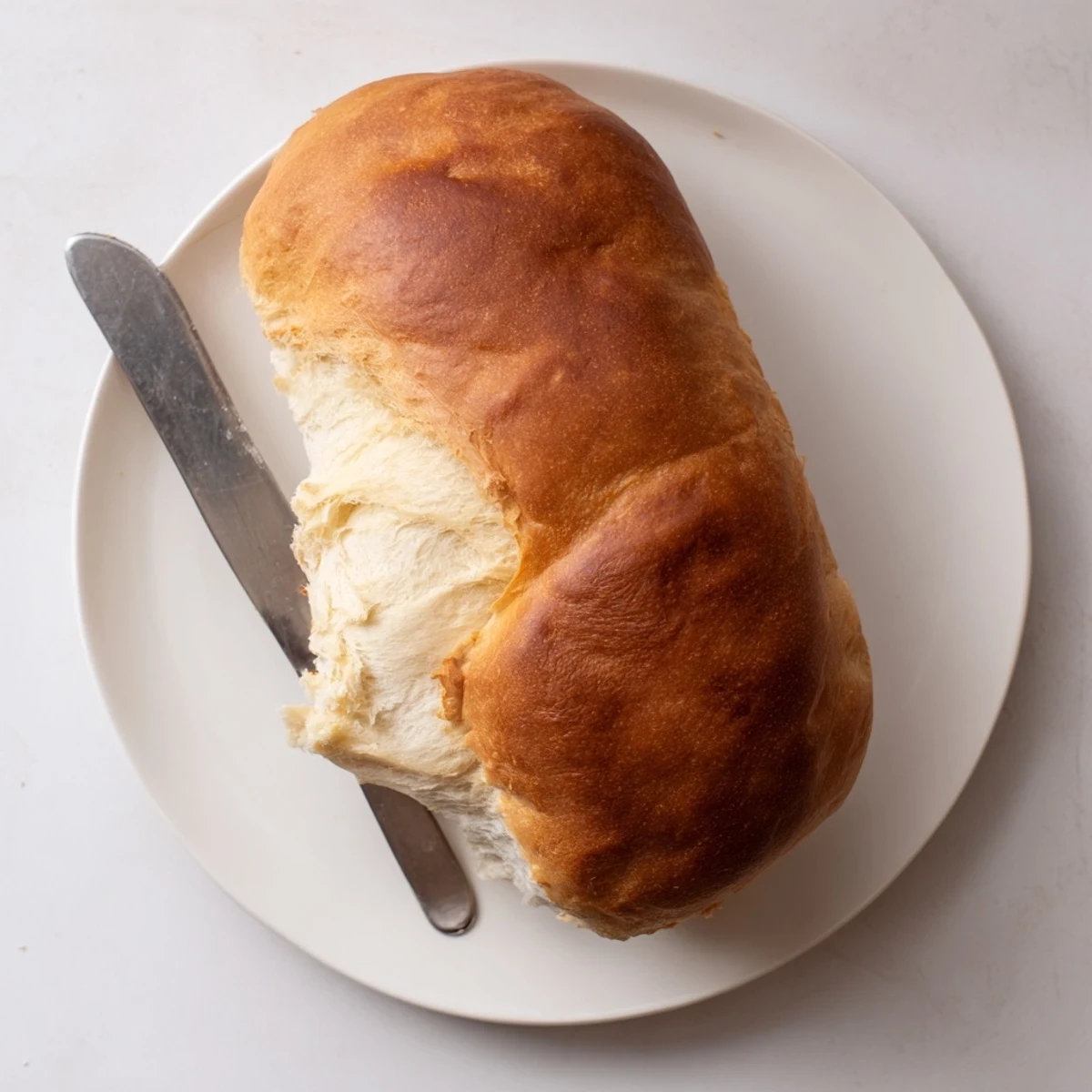
 Create two beautiful golden loaves of soft, slightly sweet white bread that captures the simplicity and comfort of traditional Amish baking. This versatile dough yields perfectly sliceable results ideal for morning toast, sandwiches, or warm slabs with melting butter.
The straightforward method combines warm water with yeast and sugar, enriched with a touch of oil, then kneaded until smooth and elastic. After rising until doubled, the dough bakes into beautifully browned loaves with a tender crumb and satisfying crunch.
Each batch produces two 9x5-inch loaves that freeze exceptionally well, letting you enjoy fresh-baked goodness whenever the craving strikes.
My grandmother kept a ceramic bowl on her counter that seemed permanently dusted with flour. She taught me that bread making has its own rhythm, and if you listen to the dough instead of the clock, you'll know when it's ready.
Last winter, my neighbor texted me at 8 AM asking if something was burning, but really I'd just started an early batch of bread. Now she shows up with butter whenever she sees flour on my apron.
Ingredients
- Warm water: The temperature should feel like a warm bath, too hot and you will kill the yeast, too cold and it will never wake up
- Granulated sugar: This feeds the yeast and gives the bread that gentle sweetness that makes it perfect for morning toast
- Active dry yeast: Fresh yeast makes all the difference, check the expiration date before you start
- Salt: Do not skip this, it is what keeps the bread from tasting like plain flour paste
- Vegetable oil: Keeps the bread tender and helps it stay fresh longer than bread made without fat
- All-purpose flour: Start with five and a half cups and let the dough tell you if it needs more
Instructions
- Wake up the yeast:
- Dissolve the sugar in warm water and sprinkle the yeast on top. Let it foam for about ten minutes until it looks alive and bubbling.
- Build the dough:
- Mix in the salt and oil, then add flour one cup at a time until the dough pulls away from the bowl but still feels slightly tacky.
- Knead until smooth:
- Work the dough on a floured surface for six to eight minutes until it bounces back when you poke it.
- First rise:
- Place the dough in a greased bowl, cover it, and let it double in size for about an hour in a warm spot.
- Shape the loaves:
- Punch down gently, divide in half, and form each piece into a loaf that fits into your greased pans.
- Second rise:
- Cover the pans and let the dough rise another thirty to forty minutes until it creeps about an inch above the rim.
- Bake until golden:
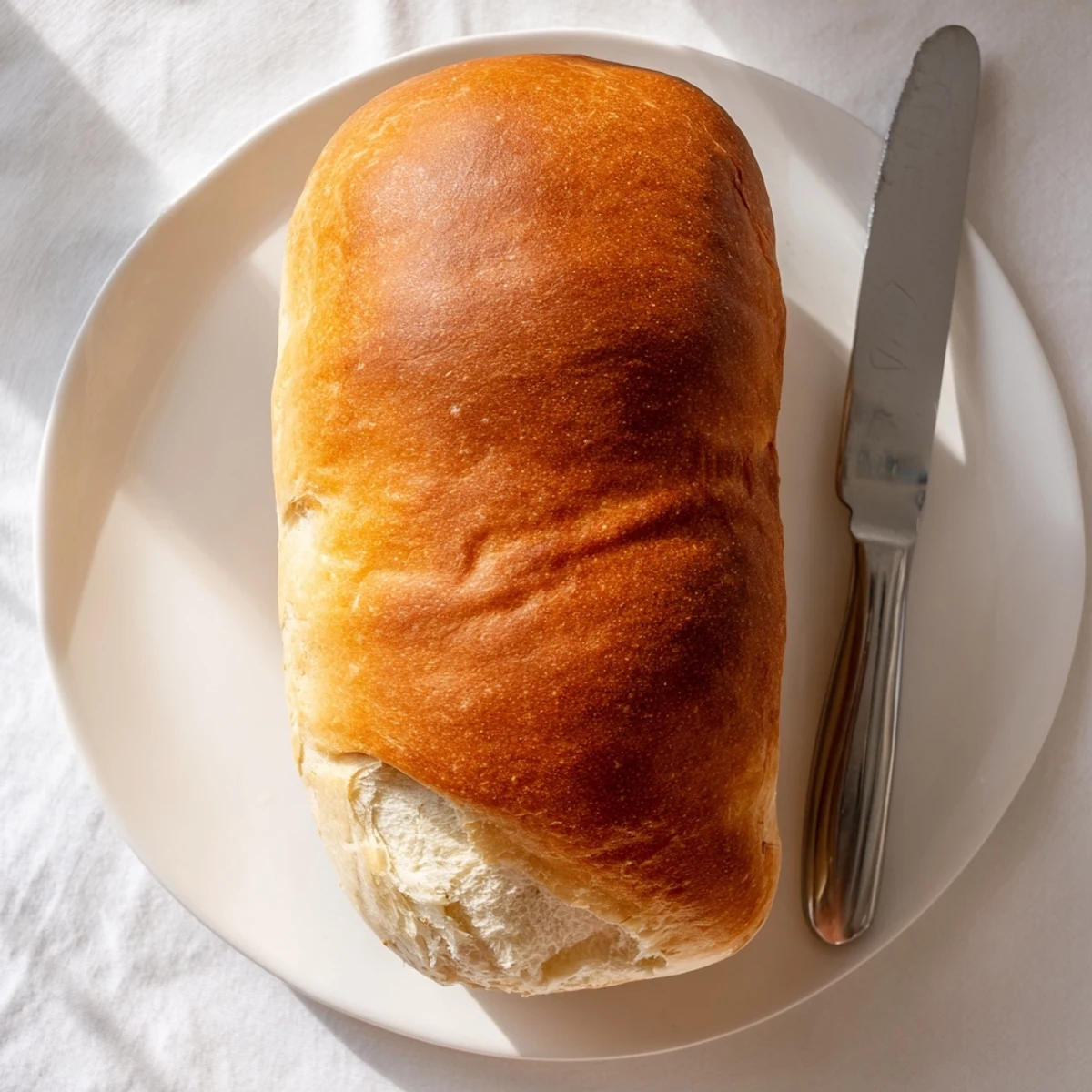
- Bake at 350°F for twenty-five to thirty minutes until the tops are browned and the loaves sound hollow when tapped.
 Pin It
 My youngest daughter waits by the oven during those last five minutes of baking, asking every thirty seconds if it is done yet.
Making It Your Own
Replace half the water with warm milk for a richer flavor that reminds me of the bread my great aunt made every Sunday morning. The milk proteins add a subtle depth that makes this loaf feel special.
Storage Secrets
This bread keeps at room temperature for four days in a sealed bag, but I double wrap loaves and freeze them for those weeks when I cannot bake. Thaw overnight on the counter and it tastes almost fresh baked.
Serving Ideas
Brush the warm loaves with melted butter right out of the oven for a softer crust that my family fights over. The bread also makes exceptional French toast that soaks up the custard without falling apart.
- Use day old slices for homemade bread crumbs that put the store bought stuff to shame
- Try a slice with sharp cheddar and apple butter for an afternoon snack
- This recipe doubles beautifully for holiday gifts or freezer meals
 Pin It
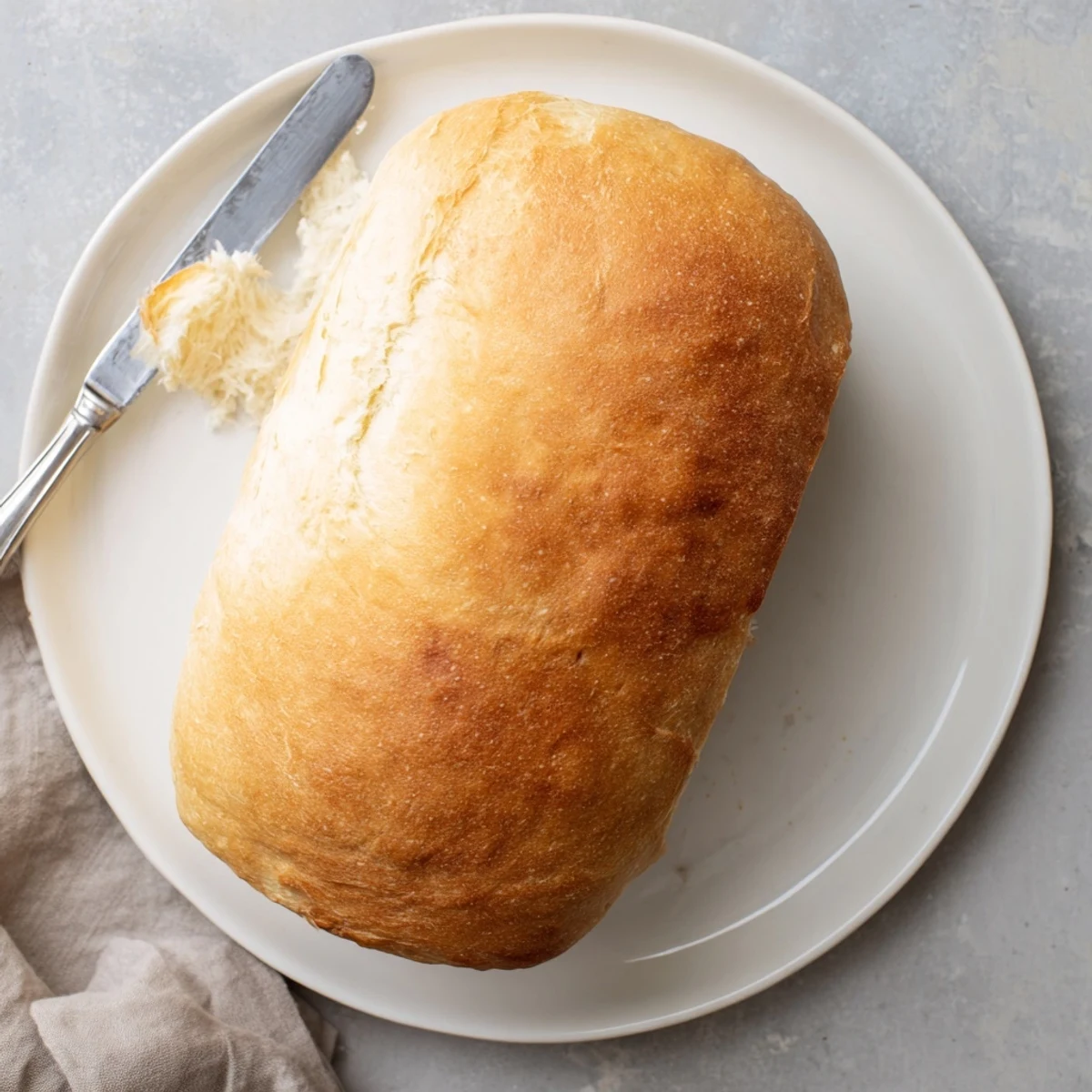
 There is something deeply satisfying about pulling two golden loaves from the oven that you made with your own hands.
Recipe Q&A
- → Why is my Amish bread too dense?
-
Dense loaves typically result from insufficient kneading or under-proofing. Knead the dough for 6-8 minutes until smooth and elastic, and allow proper rising time in a warm, draft-free spot until doubled in size.
- → Can I make this with whole wheat flour?
-
Yes, substitute up to half the all-purpose flour with whole wheat flour. Keep in mind whole wheat creates a denser crumb and may require slightly more liquid to achieve the right dough consistency.
- → How should I store this bread?
-
Once completely cooled, store loaves in an airtight bag or container at room temperature for up to 4 days. For longer storage, wrap tightly in plastic and freeze for up to 3 months. Thaw overnight at room temperature.
- → What makes this specifically Amish bread?
-
The combination of simple pantry staples, slight sweetness, and exceptionally soft texture characterizes traditional Amish baking. This straightforward method emphasizes wholesome ingredients and time-honored techniques passed through generations.
- → Why brush with butter after baking?
-
Brushing warm loaves with melted butter creates a softer, more tender crust while adding rich flavor. The butter melts into the surface, preventing the crust from becoming too hard or crunchy.
- → Can I use instant yeast instead?
-
Absolutely. Instant yeast can be mixed directly with the flour without proofing first. Use about 25% less instant yeast than active dry yeast, and proceed with the same mixing and rising steps.