
 Pin It
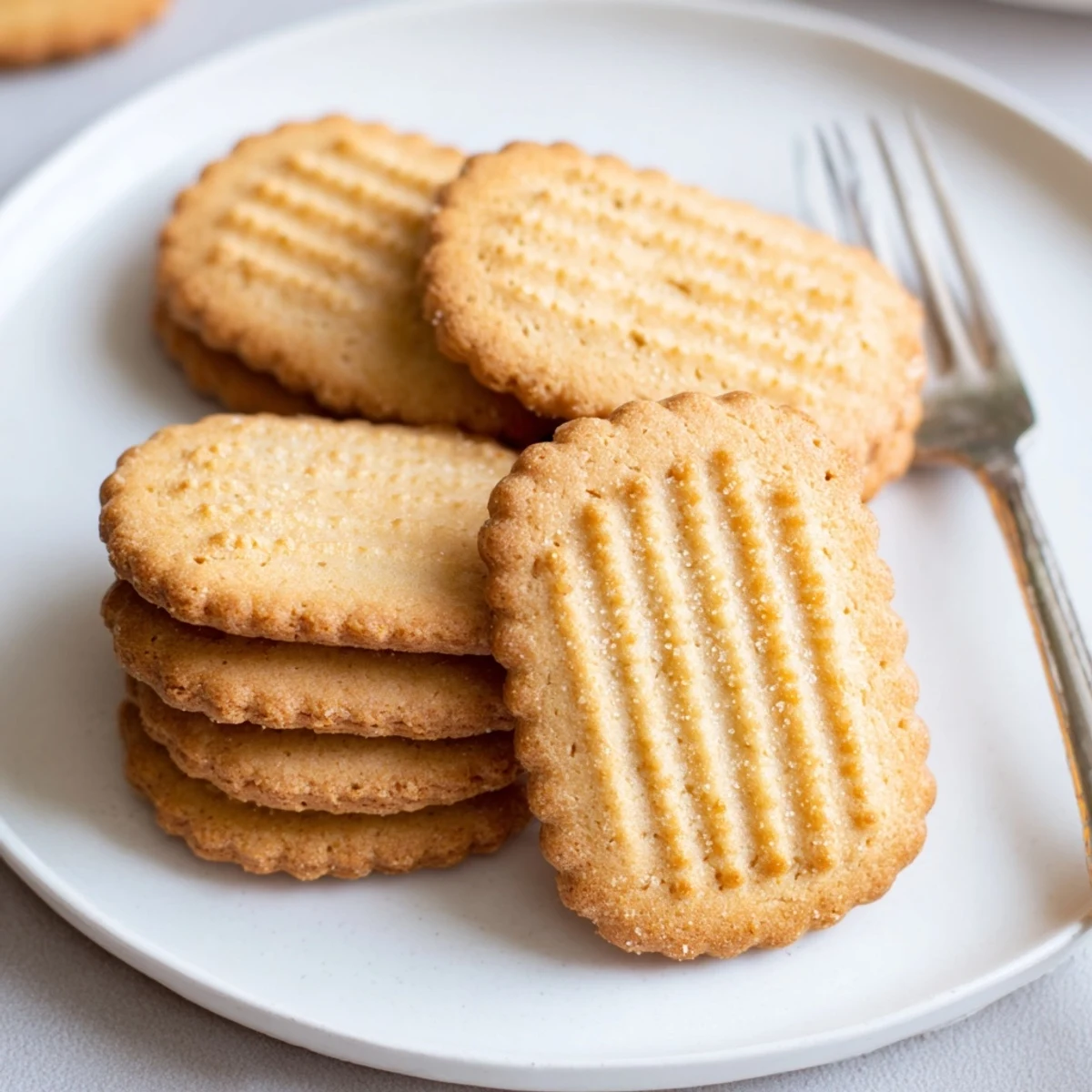
 Le petit beurre est un biscuit emblématique de la pâtisserie française, reconnu par sa forme rectangulaire cannelée et ses caractéristiques piqûres. Doré et croustillant, il se prépare avec des ingrédients simples : farine, beurre doux, sucre, lait et une touche de vanille.
La pâte, facile à travailler, nécessite un repos d'une heure au réfrigérateur avant d'être découpée à l'emporte-pièce. Une cuisson de 12 minutes à 180°C suffit pour obtenir la teinte dorée parfaite.
Ces biscuits se conservent jusqu'à deux semaines dans une boîte hermétique, ce qui les rend parfaits pour être préparés à l'avance et dégustés au fil des jours avec un thé ou un café.
The afternoon I burned my first batch of petit beurre, I stood in the kitchen laughing at myself while the acrid smell chased my roommate out of the apartment. It was a rainy Tuesday in November and I had somehow convinced myself that French baking would come naturally. Eight years later, these golden rectangular biscuits have become my quiet ritual, the thing I make when I need the kitchen to feel calm and purposeful.
I once brought a tin of these to a dinner party and watched a woman close her eyes after the first bite, saying it reminded her of childhood summers in Normandy. That reaction taught me more about what food can do than any cookbook ever has.
Ingredients
- 200 g all purpose flour: The backbone of the biscuit, measured by weight for accuracy so the texture lands somewhere between tender and crisp.
- 100 g granulated sugar: Just enough sweetness without tipping into cookie territory, allowing the butter and vanilla to shine through.
- 100 g unsalted butter: Use good quality butter here because there are so few ingredients and every single one announces itself.
- 50 ml whole milk: Whole milk matters because the fat content helps bind the dough while keeping it supple and easy to roll.
- 5 g baking powder: A gentle lift that keeps the biscuits from turning into hard crackers, giving them that characteristic slight puff.
- 1 pinch of salt: Do not skip this, as salt is the quiet hero that makes butter taste more like itself.
- 1 vanilla bean or 1 packet vanilla sugar: Scraping a real vanilla bean into the warm butter mixture fills your kitchen with a scent that no extract can replicate.
Instructions
- Melt and blend the base:
- Gently warm the butter with the milk in a small saucepan over low heat, stirring until the butter is just melted, then add the sugar and vanilla seeds, swirling the pan until everything dissolves into a golden liquid that smells like warm caramel.
- Cool the mixture:
- Let the butter mixture sit until it no longer feels hot to the touch, just warm enough that you can comfortably hold your finger against the side of the pan.
- Bring the dough together:
- Pour the cooled liquid into a large bowl, add the flour, baking powder, and salt all at once, then stir with a wooden spoon until a soft dough forms and pulls away from the sides cleanly.
- Rest the dough:
- Shape the dough into a flat disc, wrap it tightly in plastic, and tuck it into the fridge for a full hour so the butter firms up and the gluten relaxes, making rolling much easier.
- Preheat and prepare:
- Set your oven to 180 degrees Celsius with conventional heat and line a baking sheet with parchment paper so the biscuits lift off effortlessly after baking.
- Roll and cut:
- On a lightly floured surface, roll the chilled dough to about 3 or 4 millimeters thick, then use a rectangular fluted cutter to press out each biscuit, transferring them to the prepared sheet with a gentle hand.
- Prick and bake:
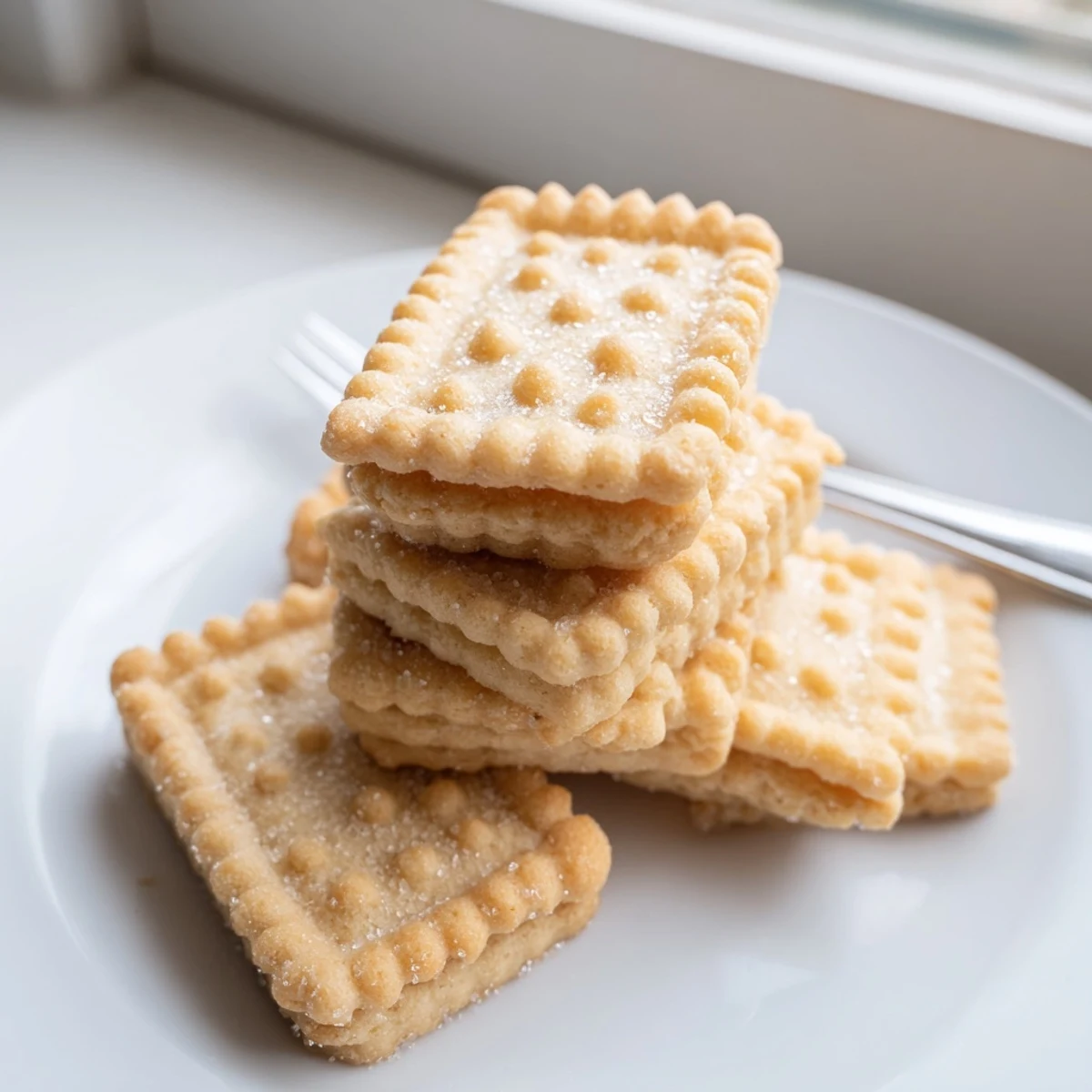
- Take a fork and poke a few neat holes in each biscuit, which helps them bake evenly and gives them that authentic look, then slide the tray into the oven for 12 minutes until the edges turn a warm golden brown.
- Cool completely:
- Move the biscuits to a wire rack the moment they come out of the oven, letting the air circulate underneath so they crisp up properly before you store or eat them.
 Pin It
 There is something meditative about pressing that fork into row after row of unbaked biscuits, watching the small pattern emerge like a quiet rhythm you did not know you needed.
Keeping Them Crisp
Store your petit beurre in an airtight tin at room temperature and they will stay perfectly crisp for up to two weeks, though in my experience they rarely last that long.
Playing With Flavors
A tablespoon of lemon zest folded into the dough adds a brightness that pairs beautifully with afternoon tea, or you can dip half of each cooled biscuit into melted dark chocolate for a version that feels almost decadent.
What to Expect From This Dough
This is a forgiving dough once you understand its temperament, and it rewards patience more than precision.
- The dough will feel slightly sticky when first mixed, but chilling firms it right up.
- Re roll scraps once if needed, but avoid working the dough too much or the biscuits toughen.
- Every oven varies slightly, so start checking at the 10 minute mark for color.
 Pin It
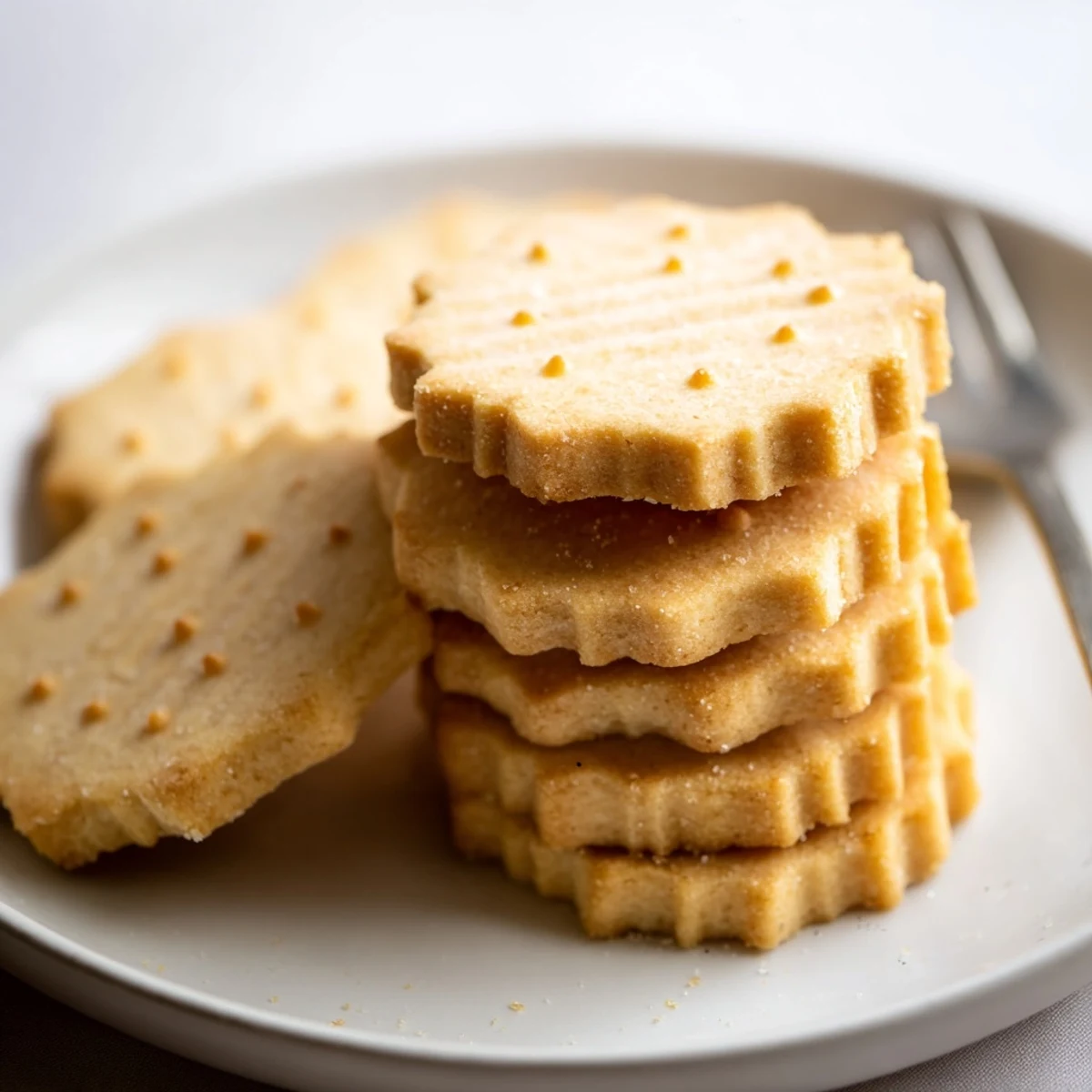
 A tin of homemade petit beurre on the counter is a small act of care that turns an ordinary afternoon into something worth savoring. Share them freely, because that is what they were made for.
Recipe Q&A
- → Pourquoi faut-il laisser reposer la pâte au réfrigérateur ?
-
Le repos d'une heure au réfrigérateur permet au beurre de se solidifier, ce qui rend la pâte plus ferme et plus facile à étaler et à découper. Il permet également aux saveurs de se développer et au gluten de se détendre pour une texture plus croustillante après cuisson.
- → Peut-on remplacer le beurre doux par du beurre demi-sel ?
-
Oui, le beurre demi-sel convient parfaitement et apportera une légère touche salée qui rehausse la saveur des biscuits. Dans ce cas, vous pouvez réduire ou omettre la pincée de sel indiquée dans les ingrédients pour équilibrer le goût.
- → Comment obtenir des biscuits bien réguliers et de même épaisseur ?
-
Pour des biscuits uniformes, étalez la pâte sur une épaisseur de 3 à 4 mm en utilisant des guides de pâtisserie ou des baguettes de même épaisseur placées de chaque côté. Un rouleau à pâtisserie avec bagues de réglage est également très pratique pour garantir une épaisseur constante.
- → Quelle est la meilleure façon de conserver les petits beurre ?
-
Placez les biscuits entièrement refroidis dans une boîte hermétique en métal ou en verre, en séparant les couches avec du papier cuisson. Conservez-les à température ambiante, dans un endroit sec et à l'abri de la lumière. Ils se gardent ainsi une à deux semaines en restant croustillants.
- → Peut-on aromatiser la pâte autrement qu'avec la vanille ?
-
Absolument. Vous pouvez ajouter une cuillère à soupe de zestes de citron ou d'orange pour une note agrumée, remplacer la vanille par de l'extrait d'amande, ou encore incorporer des épices comme la cannelle ou le gingembre en poudre. Ces variantes apportent une touche personnelle et savoureuse.
- → Pourquoi piquer les biscuits avec une fourchette avant cuisson ?
-
Le piquage traditionnel à la fourchette permet à la vapeur de s'échapper pendant la cuisson, évitant ainsi que les biscuits ne gonflent ou ne se déforment. C'est également ce qui donne au petit beurre son aspect caractéristique et reconnaissable, tout en favorisant une cuisson homogène et une texture croustillante.