
 Pin It
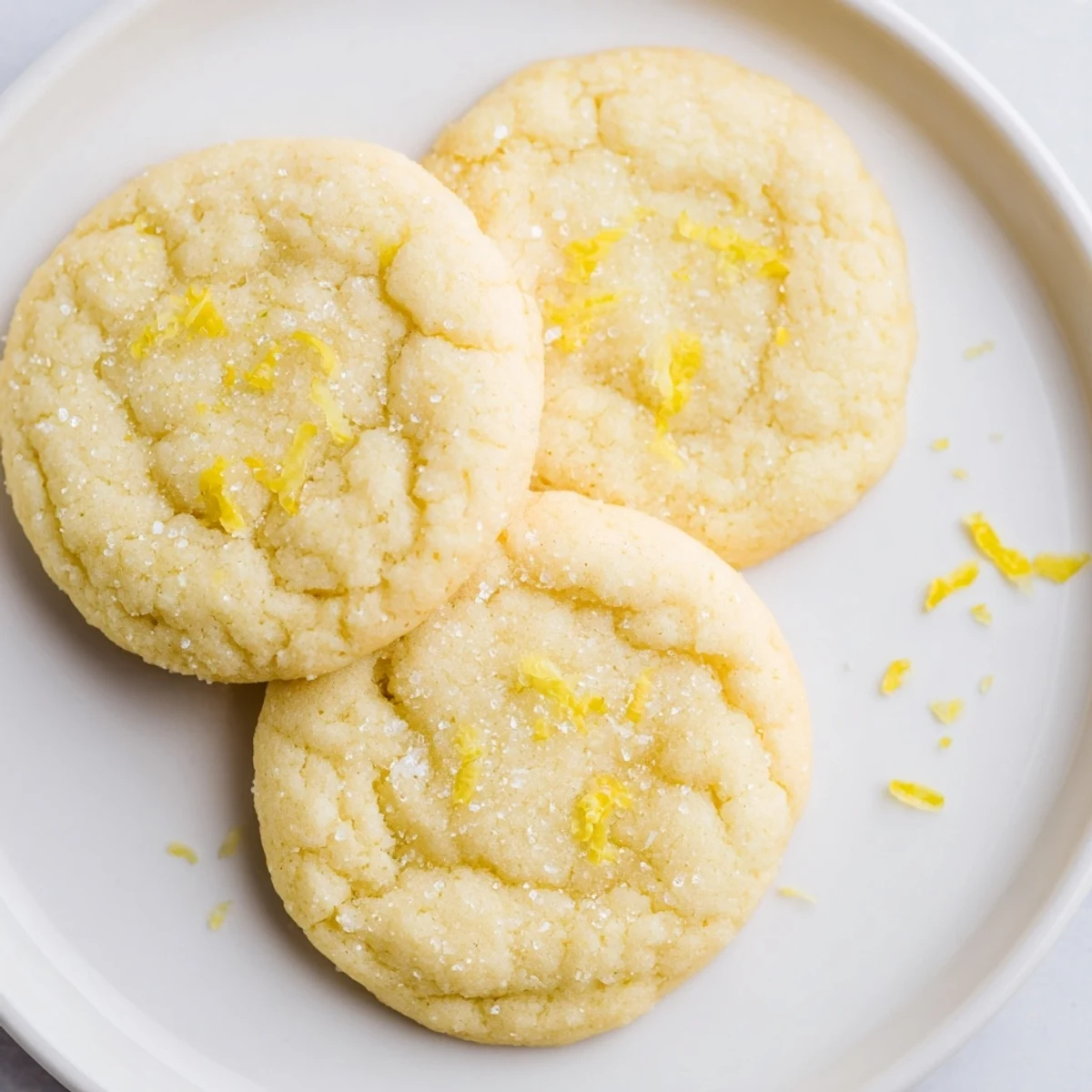
 Soft, chewy lemon cookies deliver bright citrus flavor in about 25 minutes and yield roughly 24 cookies. Cream softened butter with granulated and brown sugar, beat in eggs, fresh lemon juice, zest and vanilla, then fold in flour, baking soda and salt. Form tablespoon-sized dough balls, roll in sugar and bake 9–11 minutes until edges set but centers stay tender. Cool on the sheet 5 minutes before transferring to a rack. Use an electric mixer and parchment-lined sheets; add an extra teaspoon of zest for more zing. Store airtight up to 4 days or freeze dough balls for longer keeping.
The smell of lemon zest hitting a microplane on a Saturday morning is enough to make anyone forget they havent had coffee yet. My sister walked into the kitchen once while I was making these and said the air smelled like sunshine with a deadline. Shes not wrong. These cookies are the kind of bright, chewy little bite that makes people close their eyes after the first one.
I brought a tin of these to a potluck in March when everyone was tired of root vegetables and heavy stews, and they vanished before the main course was even served. A friend grabbed three, looked me dead in the eye, and said these are not for sharing. That was the moment I knew this recipe was a keeper.
Ingredients
- All purpose flour (2 1/4 cups, 280 g): The backbone of the cookie, and measuring by weight makes a real difference here if you want that chewy center.
- Baking soda (1/2 teaspoon): Just enough to give the edges a slight lift without turning these into cakey rounds.
- Salt (1/4 teaspoon): Dont skip it, salt is what makes the lemon taste like lemon instead of just sweet.
- Unsalted butter, softened (1 cup, 225 g): Pull it out an hour ahead, cold butter will leave you with flat, greasy cookies.
- Granulated sugar (1 cup, 200 g): The main sweetener, and youll use more for rolling later.
- Light brown sugar, packed (1/4 cup, 50 g): A small amount that adds warmth and keeps the centers soft.
- Large eggs (2): Room temperature eggs blend more smoothly into the butter mixture.
- Fresh lemon juice (2 tablespoons): Bottled juice tastes flat and metallic, squeeze it fresh.
- Lemon zest (2 teaspoons): This is where the real perfume lives, zest before you juice.
- Vanilla extract (1 teaspoon): Acts as a quiet background note that rounds out the citrus.
- Extra granulated sugar for rolling (1/3 cup, 65 g): Creates that delicate crackly crust on the outside.
Instructions
- Get your oven ready:
- Preheat to 350 degrees F (175 degrees C) and line two baking sheets with parchment paper so nothing sticks.
- Whisk the dry ingredients:
- In a medium bowl, whisk together the flour, baking soda, and salt until evenly combined, then set aside.
- Cream the butter and sugars:
- Beat the softened butter, granulated sugar, and brown sugar in a large bowl until the mixture looks pale, fluffy, and lighter than when you started.
- Add the wet ingredients:
- Beat in the eggs one at a time, then pour in the lemon juice, lemon zest, and vanilla, mixing until everything smells incredible and looks cohesive.
- Bring it all together:
- Gradually add the dry ingredients to the wet, mixing just until the last streak of flour disappears, overmixing will make them tough.
- Shape and roll:
- Scoop tablespoon sized balls of dough and roll each one in the extra granulated sugar until coated, placing them about two inches apart on the sheets.
- Bake to golden perfection:
- Bake for 9 to 11 minutes until the edges are set and barely golden but the centers still look soft and slightly underdone.
- Cool with patience:
- Let the cookies rest on the baking sheet for 5 minutes before moving them to a wire rack, they will finish setting as they sit.
 Pin It
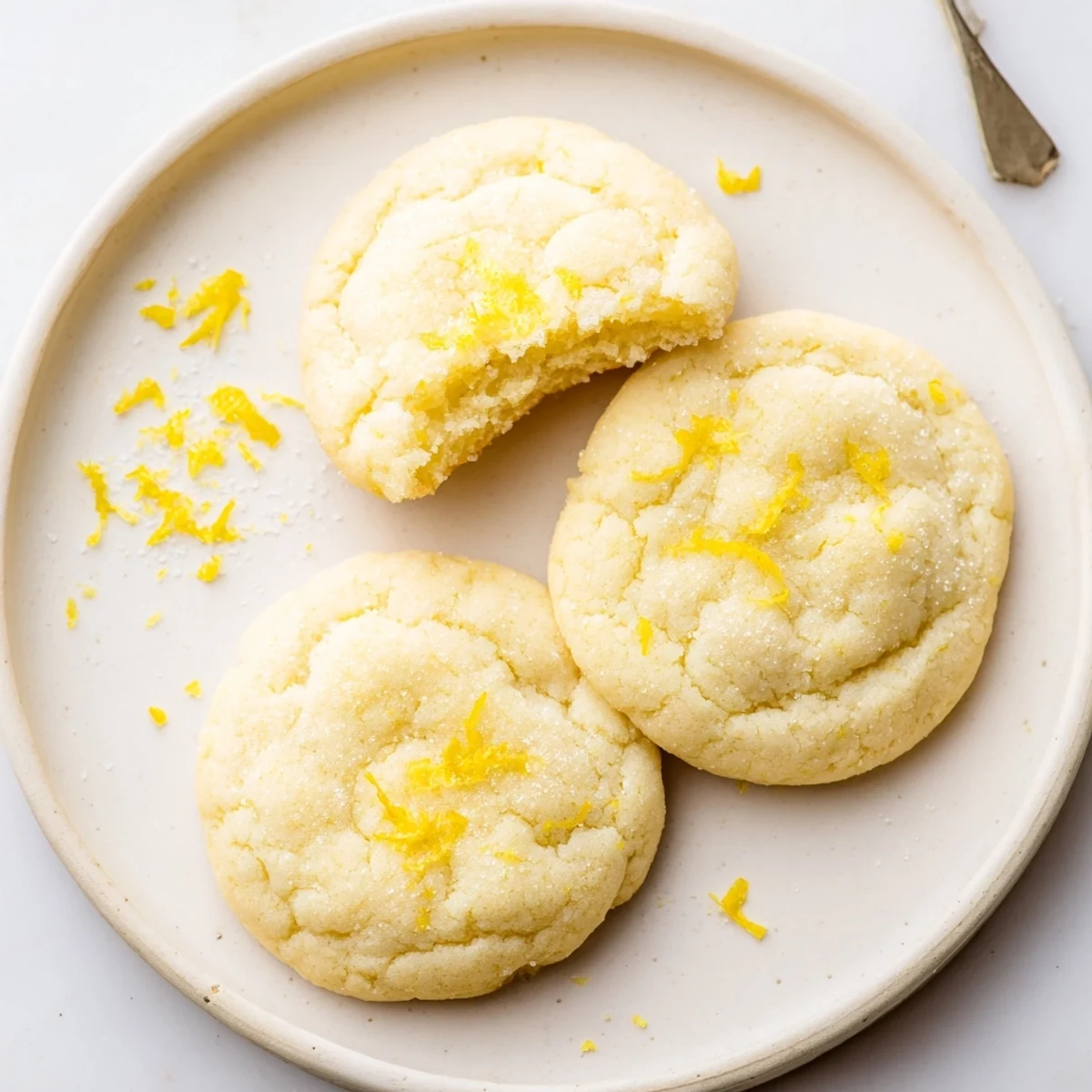
 One rainy Tuesday I ate four of these standing at the counter while they were still warm, telling myself I was just quality testing. They were so good I almost didnt save any for the actual people I baked them for. Sometimes a cookie becomes a private joy before it becomes a shared one.
Storing and Freshness
These cookies stay beautifully soft for up to four days in an airtight container at room temperature. I usually tuck a piece of bread into the container, an old trick that keeps them chewy longer by letting the bread absorb the moisture instead of the cookies drying out.
Pairings That Work
A cup of Earl Grey tea is a natural companion here, the bergamot plays beautifully with the lemon. On a warmer evening, a glass of citrusy white wine alongside a plate of these feels unexpectedly elegant for something so simple.
Making Them Your Own
For extra tang, add another teaspoon of lemon zest to the dough and watch the flavor deepen. You can also roll the dough balls in powdered sugar instead of granulated for a crinkled, bakery style finish.
- Try adding a handful of white chocolate chips if you want richness without overpowering the lemon.
- A pinch of cardamom in the dry mix adds a warm, floral note that surprises people.
- Always check your labels if baking for someone with allergies, these contain wheat, eggs, and dairy.
 Pin It
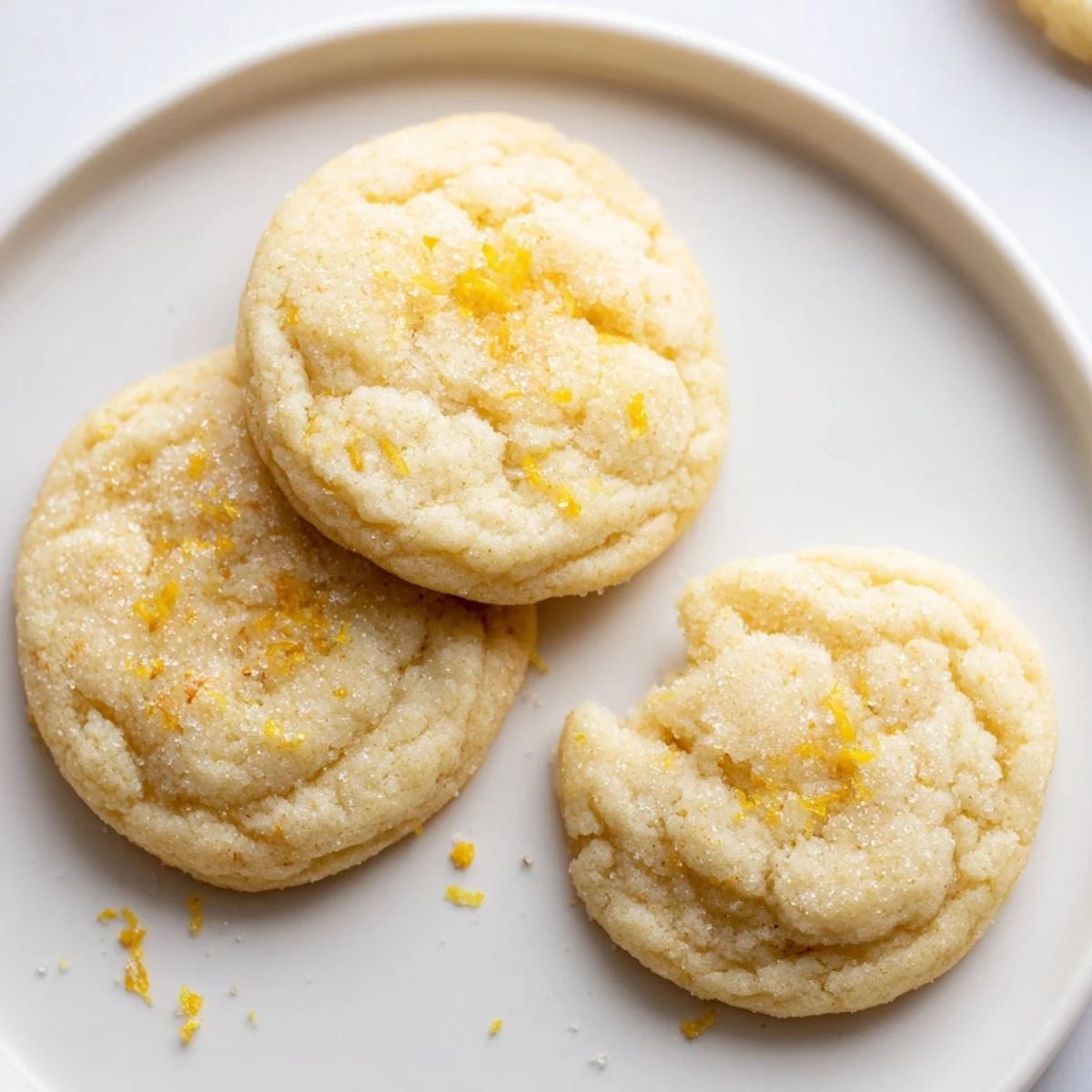
 These soft, chewy lemon cookies are proof that simple ingredients, treated with a little care, become something people remember. Bake a batch this weekend and see how long they actually last.
Recipe Q&A
- → How do I keep the cookies soft?
-
Slightly underbake (9–11 minutes until edges set), cool on the baking sheet for 5 minutes, then transfer to a rack. Brown sugar and a short bake help retain moisture; store in an airtight container to preserve softness.
- → Can I use salted butter?
-
Yes. Reduce or omit the added 1/4 teaspoon of salt if using salted butter to avoid oversalting, then adjust to taste after baking if needed.
- → How can I intensify lemon flavor?
-
Add an extra teaspoon of lemon zest and use the freshest lemon juice available. Fold some zest into the dough and a little more on top before baking for a brighter citrus hit.
- → Can I freeze the dough or finished cookies?
-
Freeze portioned dough balls on a tray until solid, then store in an airtight container for up to 3 months; bake from frozen, adding a couple minutes. Baked cookies freeze well in layers separated by parchment.
- → What makes cookies spread too much?
-
Warm butter, too little flour, or overbeating can cause excess spread. Chill the dough briefly, measure flour accurately, and use properly softened (not melted) butter to control spread.
- → What are good beverage pairings?
-
Pair these citrus-forward cookies with Earl Grey tea, a citrusy white wine, or a simple glass of milk to balance the bright lemon notes.