
 Pin It
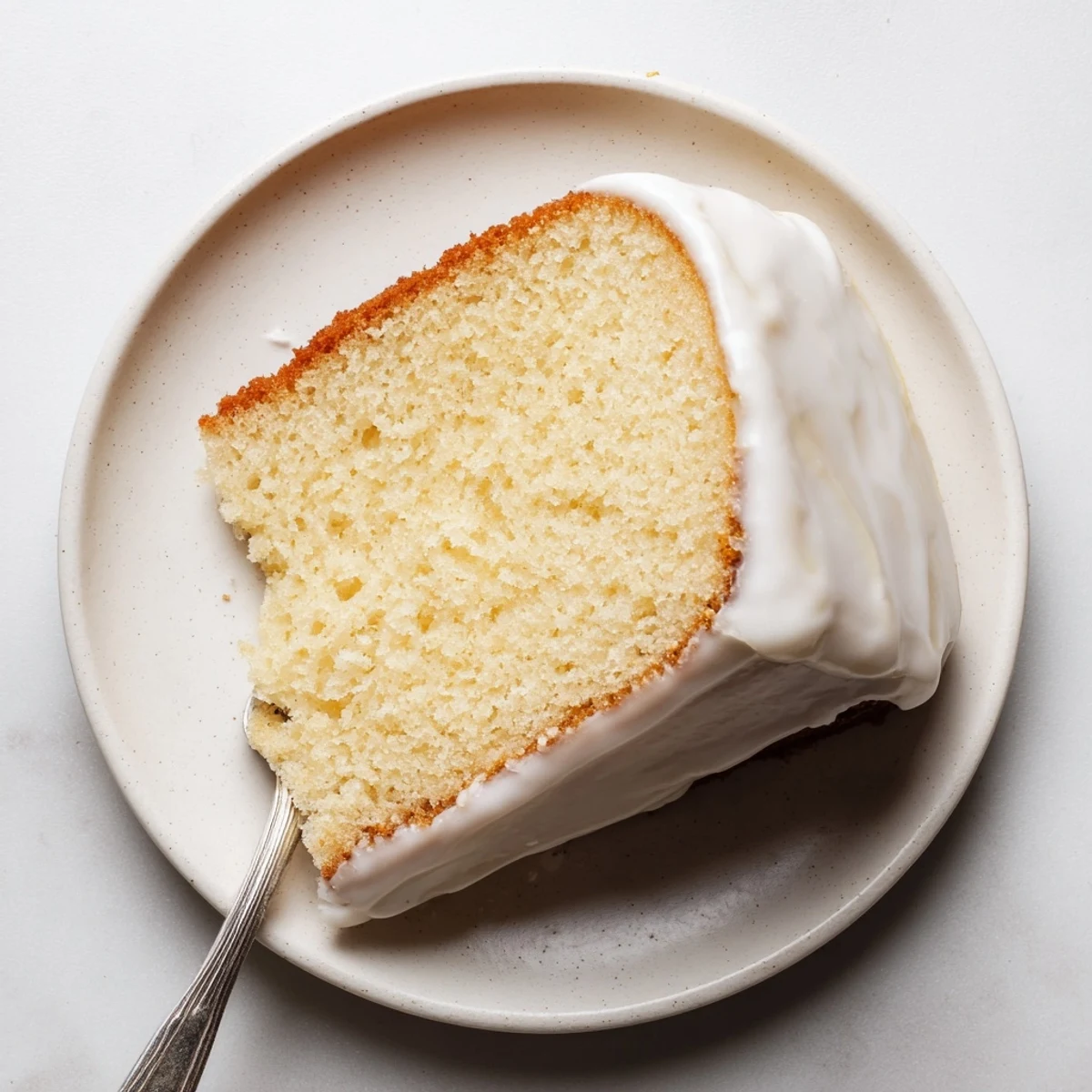
 This classic community gathering cake features a moist, tender vanilla sponge made with buttermilk for extra softness. The simple batter comes together quickly using pantry staples, while the sweet vanilla glaze adds the perfect finishing touch. Ideal for potlucks, bake sales, and large family events where you need a dependable dessert that serves twelve without fuss.
The church hall always smelled like this cake on Sundays, that sweet vanilla warmth wrapping around you like a hug before service even started. Mrs. Henderson made it best, and she never measured anything, but somehow hers always turned out lighter than air. I watched her crack eggs into her mixing bowl more times than I can count, trying to catch her secret technique. Turns out, the magic is just patience and really soft butter.
My sister requested this for her wedding reception instead of some towering fondant monstrosity. We made three sheet pans stacked up, and people kept going back for seconds all night. There is something honest about cake that does not pretend to be anything more than delicious comfort.
Ingredients
- All-purpose flour: The structure that holds everything together, do not pack it down when measuring
- Baking powder and baking soda: Both work together here for that beautiful rise
- Unsalted butter: Must be truly soft, like room temperature soft, or your cake will be dense
- Granulated sugar: Cream this with the butter until it looks pale and fluffy, that is where the tenderness comes from
- Eggs: Add these one at a time and really let each one incorporate
- Vanilla extract: Do not skimp here, it is the soul of the cake
- Buttermilk: Adds tenderness and a subtle tang that balances the sweetness
- Powdered sugar: For the glaze, sift it first to avoid any lumps
Instructions
- Get your oven ready:
- Preheat to 350°F and grease a 9x13-inch pan thoroughly, getting into all the corners
- Whisk the dry stuff:
- Combine flour, baking powder, baking soda, and salt in a bowl, set it aside
- Cream the butter and sugar:
- Beat together for about 3 minutes until it looks pale and fluffy, this step matters
- Add the eggs:
- Drop them in one at a time, letting each egg disappear completely before adding the next
- Layer it all together:
- Alternate adding the flour mixture and buttermilk, starting and ending with flour, mix gently until just combined
- Bake:
- Spread batter evenly and bake for 30 to 35 minutes until a toothpick comes out clean
- Cool and glaze:
- Let it rest 15 minutes in the pan, whisk powdered sugar with milk and vanilla until pourable, then drizzle over the warm cake
 Pin It
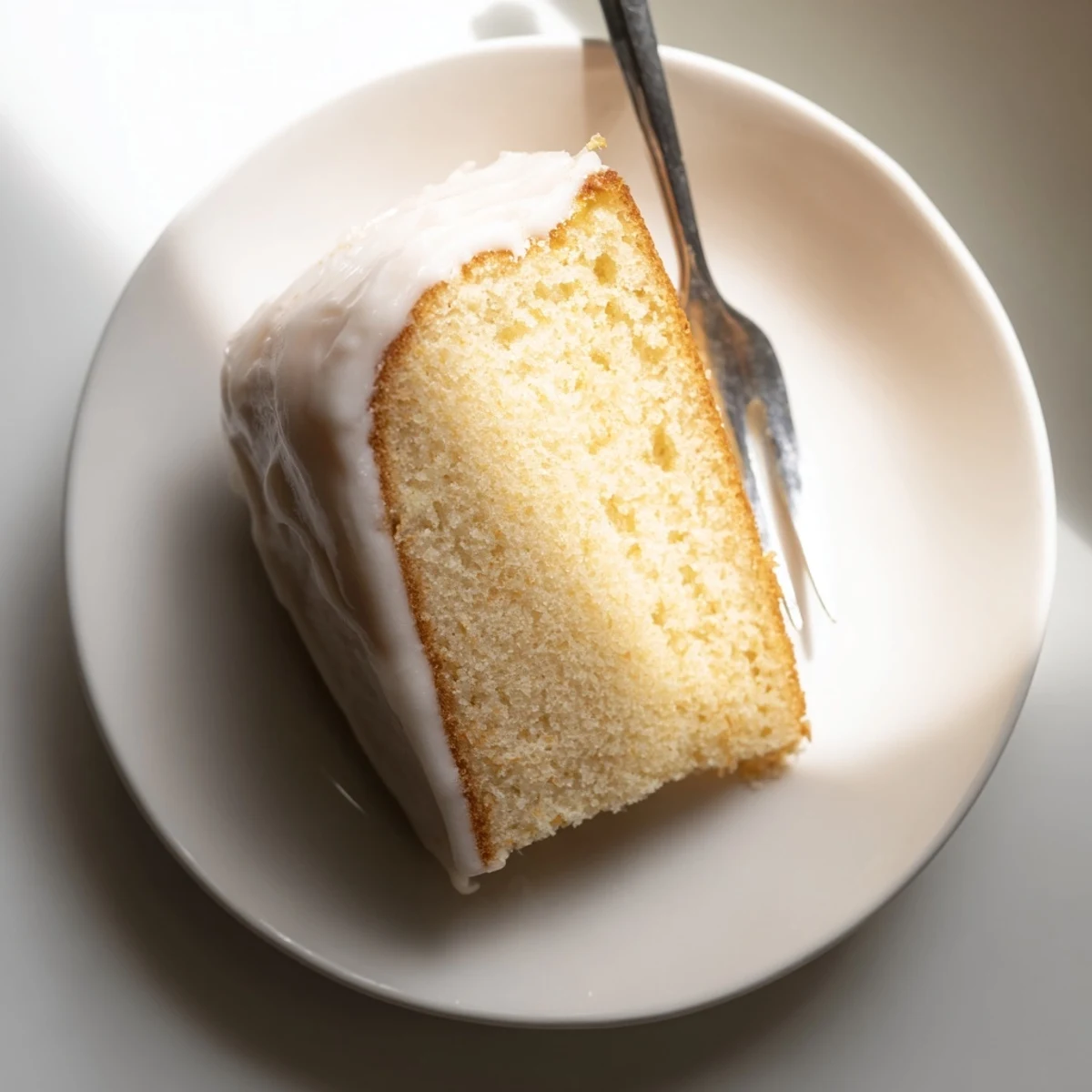
 This cake showed up at every funeral and wedding and potluck in my hometown. Seeing it on a paper plate means you are somewhere people care about each other.
Making It Your Own
I have added lemon zest to the batter during spring, swapped half the vanilla for almond extract in winter. The base recipe is forgiving, it wants you to mess around with it.
Serving Suggestions
Warm slices are heavenly with coffee that is still too hot to drink properly. My grandmother would serve this with strawberries macerated in sugar when they were in season.
Storage And Make Ahead
The cake actually tastes better on day two when the glaze has had time to soak into the crumb. Keep it covered at room temperature for up to three days.
- Wrap the pan tightly with plastic wrap if making ahead
- Freeze unglazed cake layers for up to a month
- Add the glaze after thawing for best texture
 Pin It
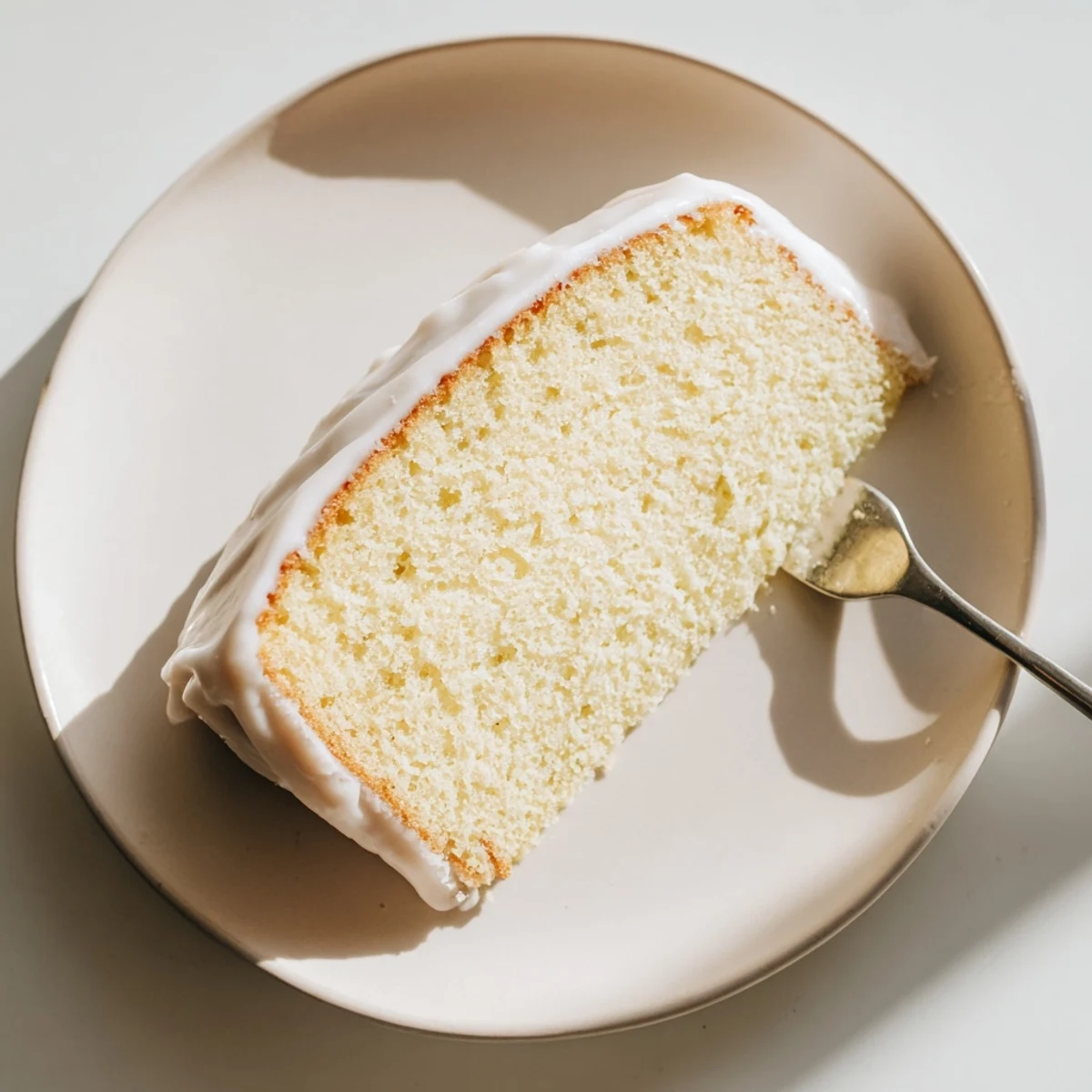
 Some recipes are just good, honest food that reminds you of home. This is one of those.
Recipe Q&A
- → Why is this called church cake?
-
This cake earned its name from being a popular choice for church potlucks, Sunday school gatherings, and community events where home bakers need something that travels well, serves many people, and appeals to all ages.
- → Can I make this cake ahead of time?
-
Yes! The baked cake stays moist for 2-3 days when stored covered at room temperature. Add the glaze on the day you plan to serve for the freshest appearance.
- → What makes this sponge cake so moist?
-
The combination of buttermilk, butter, and the proper creaming method creates a tender crumb. Buttermilk's acidity activates the baking soda for extra lift while keeping the texture soft.
- → Can I freeze this cake?
-
Absolutely. Wrap the cooled unglazed cake tightly in plastic and freeze for up to 3 months. Thaw overnight at room temperature before adding the glaze.
- → What pan size works best?
-
A standard 9x13-inch pan yields perfect results. You can also use two 9-inch round pans for a layered version, adjusting the baking time to 25-30 minutes.
- → How do I know when the cake is done?
-
Insert a toothpick into the center—if it comes out clean or with just a few moist crumbs, it's ready. The edges should pull slightly away from the pan and the top should spring back when touched.